




























































































































































































Introducing a new puppy to your current dog is often an exciting process, and many dogs will become fast friends and eas...
Read MoreAdopt Me
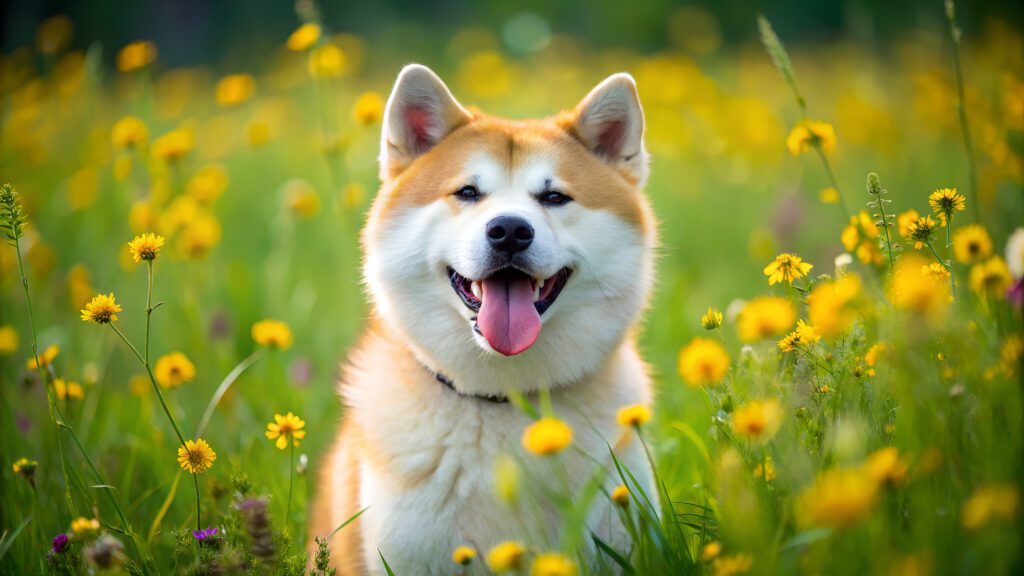
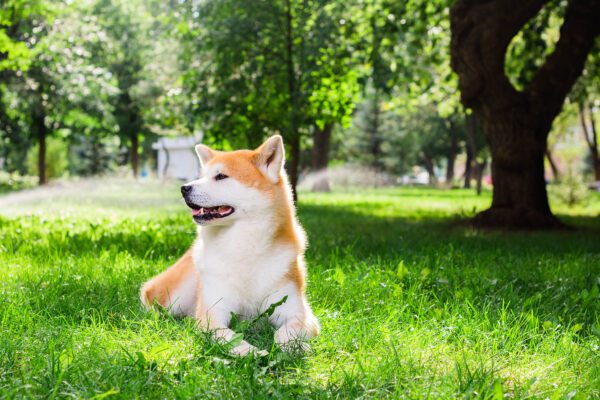
The Akita is a powerful, loyal companion with a calm presence and a steady temperament. Many families love the breed’s devotion, clean habits, and quiet nature. An Akita often bonds deeply with the household and tends to be reserved with strangers, which makes consistent socialization and thoughtful management essential.
Research matters before adoption. An Akita is a large, athletic dog with a dense double coat, strong guarding instincts, and an independent mind. The breed needs daily exercise, firm but fair training, clear rules, and regular grooming. Adoption is a smart path because it gives a dog a second chance, supports ethical placement, and often includes health care that would be costly if done on your own.
Oklahoma offers big skies, open spaces, and plenty of room to roam, which suits an active Akita. Hot summers can challenge a double-coated breed, so owners must provide shade, cool water, indoor air conditioning, and exercise during cooler hours. Many Oklahoma homes have yards that allow structured play, yet secure fencing is important because Akitas can be strong and determined. Winters are manageable for this cold-tolerant breed, and spring storms call for indoor management that keeps dogs safe and calm.
You can avoid searching rescues and shelters one by one by starting with Dog Academy. The adoption listings allow you to browse Akitas available across local animal shelters, regional rescues, and breed-specific rescue groups in one place. You can also explore educational guides and adoption checklists on Dog Academy to prepare your home, your schedule, and your budget before you apply.
Begin by browsing listings and learning about each dog’s age, size, temperament, and medical history. When you find a potential match, submit an application that explains your experience, household setup, and lifestyle. Applications often ask for identification, landlord permission when you rent, and personal references. Providing clear and complete information helps the team evaluate fit and move your application forward.
Next comes a meet-and-greet. Plan for every household member to attend. If you have pets, request a careful introduction in a neutral area to reduce stress. Use the meeting to ask about training progress, behavior notes, and any known triggers. Review medical records, including spay or neuter status, vaccination dates, and any ongoing care. If the match feels right, you will discuss steps to reserve the dog while the organization completes final checks.
Many groups conduct a home check in person or by video. They look for safe fencing, a secure yard or potty area, and a plan for indoor rest. Once approved, you sign an adoption contract, pay the adoption fee, and schedule pickup. Timelines vary by organization, but many approvals in Oklahoma take 3 to 10 days when paperwork and scheduling go smoothly. Some rescues arrange transport to move dogs between locations when a foster home or adopter is farther away. Transport is often handled by volunteer drivers or licensed carriers, and it may include a modest fee, travel crates, and a health certificate for safe and legal travel.

|
How Much Does It Cost to Adopt a Akita in Oklahoma?Most adopters in Oklahoma pay about $250 to $550 to adopt an Akita. Puppies and young adults in high demand may be closer to $500 to $700. Fees reflect the dog’s age, prior training, medical care, and current demand across the state. The adoption fee usually helps cover spaying or neutering, vaccinations, microchipping, and veterinary exams. It may also offset heartworm testing, flea and tick prevention, and any breed-specific medical needs. Well-vetted dogs that received extensive medical treatment or professional training often cost more because the organization recovers part of those expenses. Senior dogs or dogs with ongoing management needs may cost a bit less to encourage thoughtful adopters to step forward. Always ask for an itemized explanation so you understand exactly what the fee includes. |
How Should I Train a Akita?The Akita is intelligent and observant, which makes training rewarding when you set clear expectations. The breed is also independent, so training works best when you keep sessions short, purposeful, and positive. Use high-value rewards, calm handling, and consistent rules. Focus on essentials like name recognition, hand targets, loose-leash walking, recall, and impulse control. Teach a strong settle on a mat to help the dog relax during guests, storms, or busy times at home. Early and ongoing socialization matters for an Akita. Introduce the dog to friendly people and well-matched, stable dogs in controlled settings so you build confidence without overwhelm. Many Akitas are selective with other dogs, so supervise interactions and set safe boundaries. Practice body handling, cooperative care, and muzzle training to prepare for veterinary visits. Crate training can give the dog a safe resting place and helps with travel and management. For structured guidance you can follow at home, explore Dog Academy’s online training courses. Step-by-step lessons and expert support help you address manners, leash skills, and reactivity with humane, reward-based methods that respect the breed’s temperament. |
|
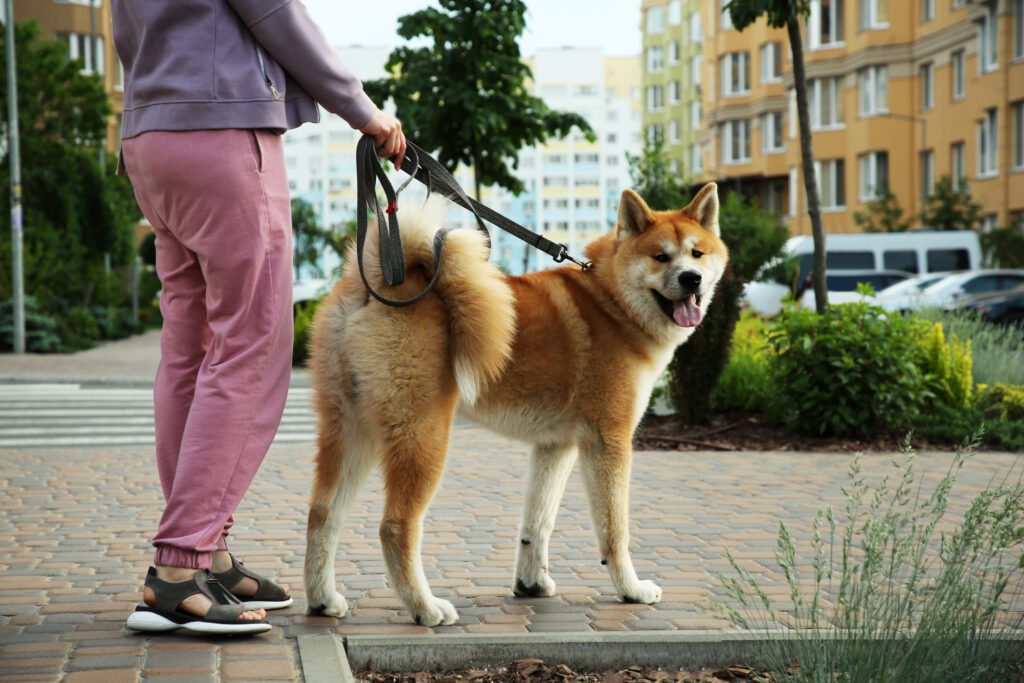
The ideal Akita owner is confident, patient, and consistent. A great match enjoys daily walks, short training sessions, and calm companionship at home. A secure yard, a plan for hot summer weather, and time for grooming make life easier. Budget for quality food, routine veterinary care, and ongoing training so your dog thrives.
Adoption is a big decision, and the right match is worth the wait. Prepare your home, learn the breed’s needs, and take time to meet several candidates. When you are ready, start with Dog Academy to browse current Akita listings and move forward with confidence.

Introducing a new puppy to your current dog is often an exciting process, and many dogs will become fast friends and eas...
Read More
Rescue dogs can make great companions and can transform your home into something better. These dogs make great pets and ...
Read More
You should never rush to pet a dog. Even dog owners make the mistake of approaching unfamiliar dogs and petting them rig...
Read More
Puppy mill dogs are survivors who have endured extreme hardships in their lives. They have grown up in horrendous, unsan...
Read More
With their wagging tails and comforting presence, adopting a dog can add a unique touch to your life. It’s a heart...
Read More
Older dogs may have a few gray hairs around the edges, but that doesn’t mean they can’t make wonderful companions! T...
Read More