




























































































































































































Introducing a new puppy to your current dog is often an exciting process, and many dogs will become fast friends and eas...
Read MoreAdopt Me

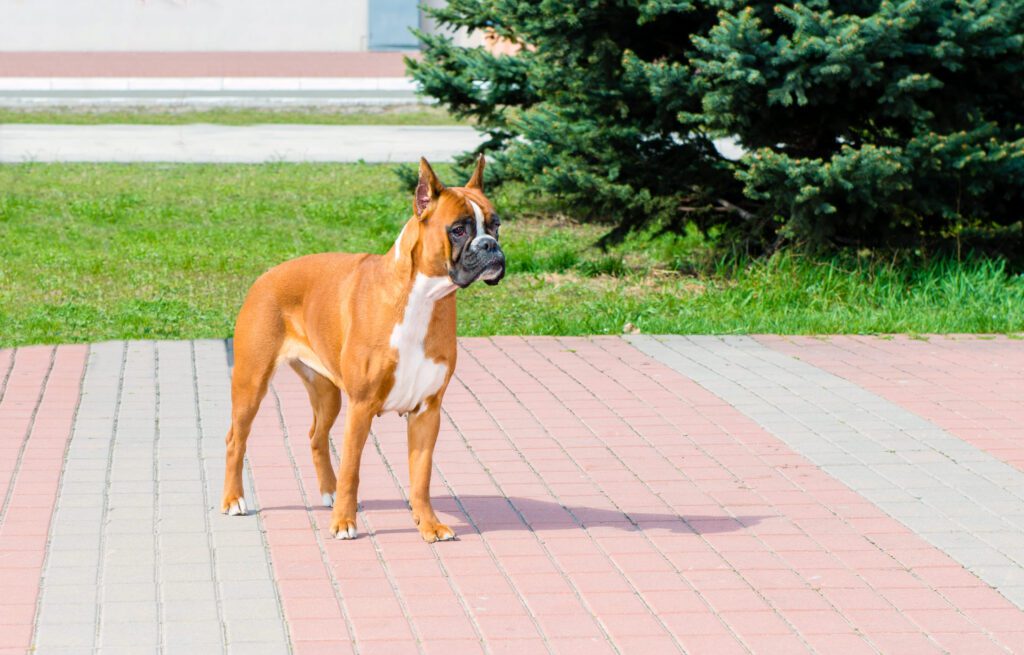

Boxers are playful, athletic, and devoted companions. They stay puppyish for years, which makes daily life fun and lively. A well-bred and well-trained Boxer is affectionate with family, patient with children, and naturally watchful without being unfriendly. Their short coat and expressive face make grooming simple, while their energy and sense of humor make every training session rewarding.
Responsible adoption starts with research. Understanding Boxer needs before you bring one home helps you match energy levels, exercise goals, and training time. Adoption is often preferable to buying because you help a dog in need, you support ethical placement, and you gain transparency about behavior and health from the organization that evaluated the dog.
Oklahoma’s climate and geography can suit a Boxer when you plan well. Summers are hot and humid, so Boxers need shaded breaks, cool water, and exercise during the early morning or evening. Winters can bring sharp cold snaps, and the short coat benefits from a warm jacket during outdoor time. Suburban yards and rural properties offer space for structured play, while apartments work when you schedule daily walks and enrichment. Storm seasons can be noisy, so noise desensitization and a calm indoor routine help the breed stay settled.
You can avoid searching local shelters and rescues one by one by using Dog Academy. Dog Academy centralizes adoptable Boxers from local animal shelters, regional rescues, and breed-specific rescue groups so you can compare dogs in one place. You can also use Dog Academy guides and adoption checklists to prepare your home, plan your meet-and-greet, and organize supplies with confidence.
Adoptable Boxers in Oklahoma appear through several channels. Local animal shelters post dogs as they arrive. Regional rescues accept surrenders and transfers, then place dogs through foster homes so they can share detailed notes. Breed-specific rescue groups focus on Boxers and often assess traits like energy, social skills, and leash manners before listing the dog.
The process usually starts by browsing listings, reading each bio carefully, and confirming the dog fits your household. You then submit an application that describes your experience, work schedule, housing type, and veterinary history. Many organizations ask for landlord approval, personal references, and proof of current pet vaccinations. Clear communication and quick responses help the review move forward.
Next comes a meet-and-greet to confirm compatibility. Everyone in the household should attend, and resident dogs should meet on neutral ground with staff guidance. A home check may follow, which can be virtual or in person to verify safety, fencing, and space. Approval timelines vary, though many Oklahoma adopters receive a decision in 3 to 10 days. Puppies, medical cases, or high-demand dogs can take longer while organizations complete vetting or coordinate schedules.
Transport may be offered when the right Boxer is outside your immediate area. Rescues sometimes arrange transport between locations to move dogs from rural shelters or foster homes to approved adopters. These trips rely on volunteer drivers or professional carriers who coordinate safe, documented handoffs. Finalization occurs when the dog arrives, the contract is signed, and the adoption fee is paid.

|
How Much Does It Cost to Adopt a Boxer in Oklahoma?Most families in Oklahoma pay $200 to $400 to adopt a Boxer. Municipal shelters tend to sit near the lower end because they focus on basic care and quick placements. Breed-specific rescues trend toward the higher end because they invest in behavioral assessments, training support, and additional medical work before adoption. Fees commonly include spaying or neutering, vaccinations, microchipping, and veterinary exams. Heartworm testing and treatment, dentals, or specialist visits can increase costs when needed. Age also matters, since puppies are in high demand and often cost more than adult or senior dogs. Training level affects price as well. Dogs that arrive with crate training, house training, or leash skills sometimes carry higher fees because the organization invested time and resources. Demand also shifts pricing during peak seasons when more adopters are searching for the breed. |
How Should I Train a Boxer?Boxers are bright, people-focused, and eager to learn. They respond best to positive reinforcement, clear structure, and upbeat sessions that last 5 to 10 minutes. Consistency matters because Boxers can be clownish and impulsive. Reward calm behavior, teach reliable cues like sit, down, stay, and come, and practice loose-leash walking from day one. Build impulse control with games that ask for a sit before doorways, leashes, or meals. Socialize with friendly dogs and people so your Boxer stays confident and polite in busy places. Dog Academy’s online training courses provide step-by-step lessons for puppies and adults, including house training, crate comfort, leash manners, recall, and calm greetings. You can train indoors during hot Oklahoma afternoons, then move outside during cooler hours to generalize skills. Mental enrichment through puzzle feeders, scent games, and short training drills helps work the mind when weather limits intense exercise. Because Boxers have short muzzles, avoid high-intensity workouts in heat and watch for heavy panting, then switch to shaded recovery and water breaks. |
|
The ideal Oklahoma home for a Boxer offers daily activity, kind leadership, and time for training. Plan for 60 to 90 minutes of exercise split across cooler parts of the day, along with brain work through training and enrichment. A secure yard is useful, yet a committed walking routine can meet needs in any setting.
Prepare your space, gather supplies, and review adoption checklists so you can welcome your dog with confidence. Take your time, ask thoughtful questions, and meet more than one Boxer if needed. The right match balances energy, temperament, and lifestyle. Use Dog Academy resources to research, train, and support your new companion, then enjoy years of goofy grins and loyal friendship.

Introducing a new puppy to your current dog is often an exciting process, and many dogs will become fast friends and eas...
Read More
Rescue dogs can make great companions and can transform your home into something better. These dogs make great pets and ...
Read More
You should never rush to pet a dog. Even dog owners make the mistake of approaching unfamiliar dogs and petting them rig...
Read More
Puppy mill dogs are survivors who have endured extreme hardships in their lives. They have grown up in horrendous, unsan...
Read More
With their wagging tails and comforting presence, adopting a dog can add a unique touch to your life. It’s a heart...
Read More
Older dogs may have a few gray hairs around the edges, but that doesn’t mean they can’t make wonderful companions! T...
Read More