



























































































































































































Introducing a new puppy to your current dog is often an exciting process, and many dogs will become fast friends and eas...
Read MoreAdopt Me

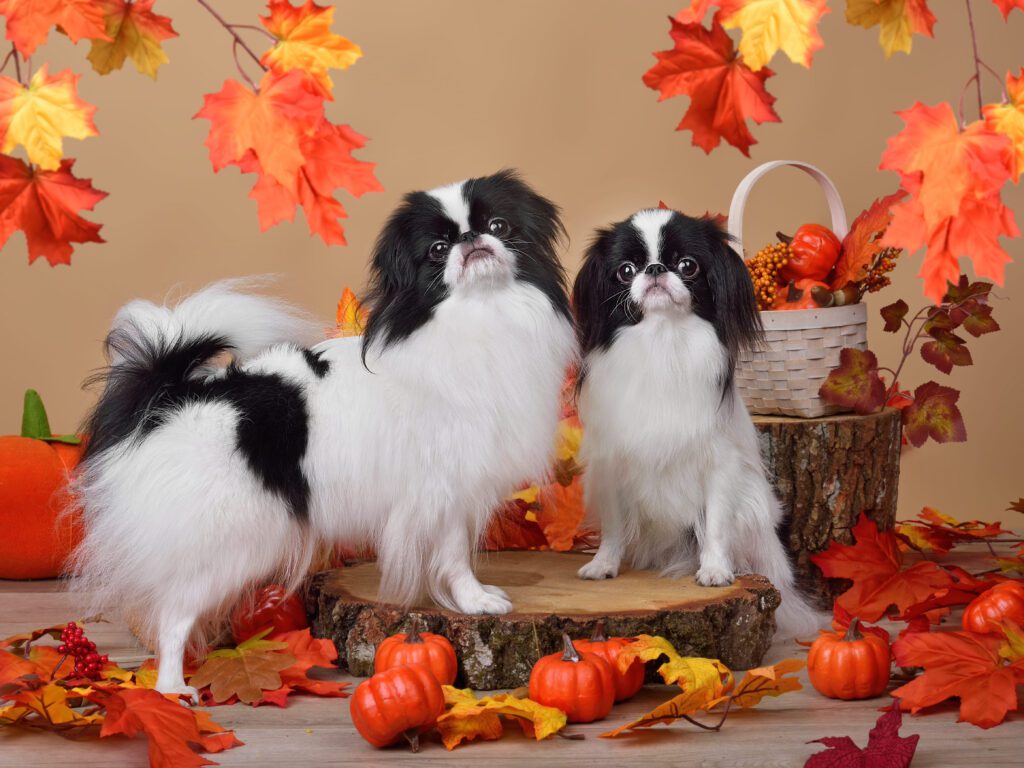
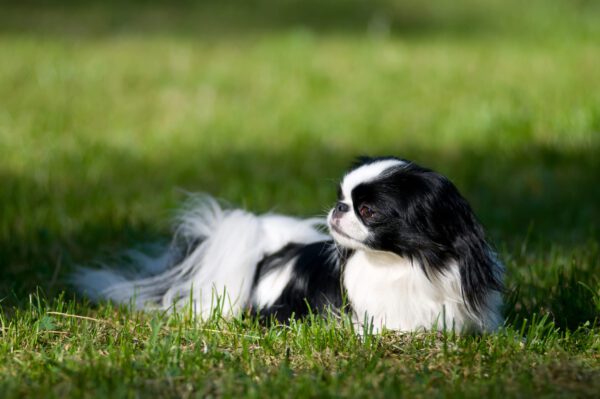
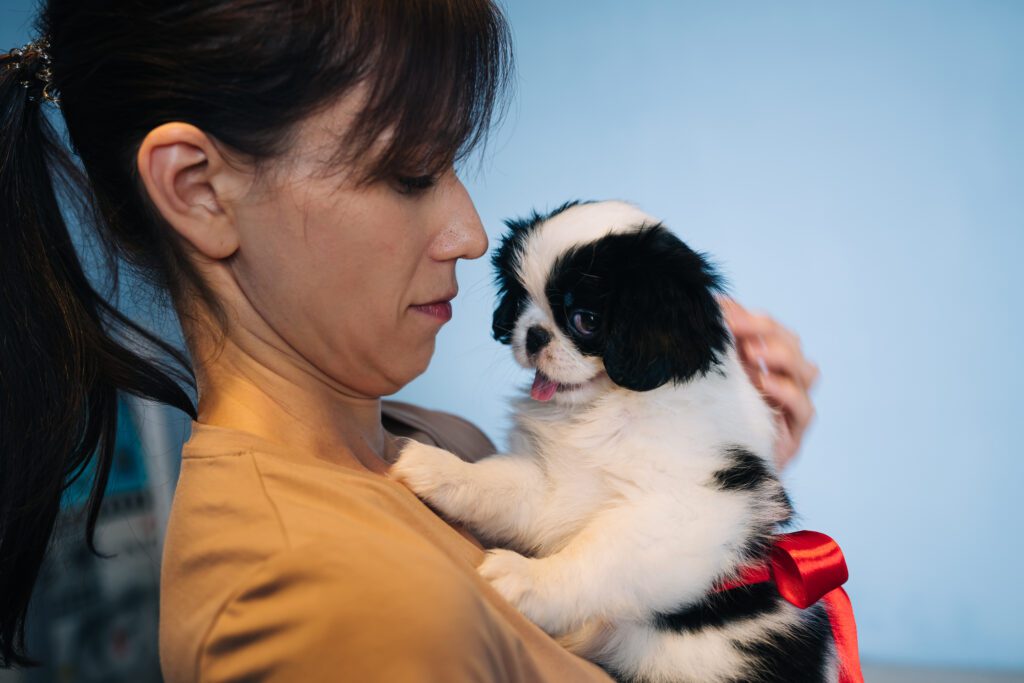
The Japanese Chin is a charming toy companion with a soft coat, bright eyes, and a lively yet gentle spirit. This breed bonds closely with people and loves calm indoor time. Many owners describe the Japanese Chin as cat-like because the dog moves with grace and enjoys perching to watch the room. The breed fits well with apartment living and quiet households, and it thrives when it receives daily affection and short play sessions.
Successful adoption starts with research. A well-informed adopter understands grooming needs, energy levels, and health considerations before bringing a dog home. Adoption is preferable to buying because it gives a dog a second chance while supporting responsible care. Many adoptable Japanese Chins are already evaluated for temperament and receive essential veterinary care. The breed’s flat face can make heat a concern, and the small mouth increases the need for consistent dental care, so preparation matters.
Oklahoma offers many settings that suit a Japanese Chin, from city apartments to suburban homes. The breed does best as an indoor companion because Oklahoma summers are hot and humid. A short-nosed dog can overheat quickly, so access to air conditioning is important. Winters vary and can be chilly, which means a light sweater during outdoor walks can help. The state’s open plains and gusty winds make secure, supervised outings wise for a toy dog. Short neighborhood walks and indoor enrichment fit the Oklahoma lifestyle well.
You can avoid searching for rescues and shelters separately by using centralized adoption listings. Dog Academy brings available dogs into one place and provides educational guides and adoption checklists so you can prepare with confidence. You can filter by location, age, and size to focus on Japanese Chins in or near Oklahoma.
Adoptable dogs appear through local animal shelters, regional rescues, and breed-specific rescue groups. These organizations post profiles that describe age, temperament, medical history, and ideal home settings. Some rescues arrange transport to move dogs between locations, which means you may match with a dog in a nearby state and finalize the adoption in Oklahoma. Transport is a coordinated trip led by rescue volunteers or partner drivers who move dogs safely between shelters or foster homes.
The process usually starts with browsing listings and submitting an application. Applications ask about your schedule, home setup, training plans, and veterinary history. Landlord or homeowner approval is often required for renters or communities with pet rules. You may be asked for references so the organization can confirm that your home offers a safe, stable environment for a toy breed.
After an application review, groups schedule a meet-and-greet to see how you and the dog connect. Some organizations complete a home check to verify secure doors, safe balconies, and proper containment points for a small dog. Home checks can be virtual or in person. Approval timelines vary by organization and the number of applicants, and most decisions happen within 1 to 2 weeks. Once approved, you sign an adoption contract, pay the adoption fee, and set a date to bring your dog home. If transport is involved, the rescue will confirm the route and pickup plan so you know when and where to meet your new companion.
|
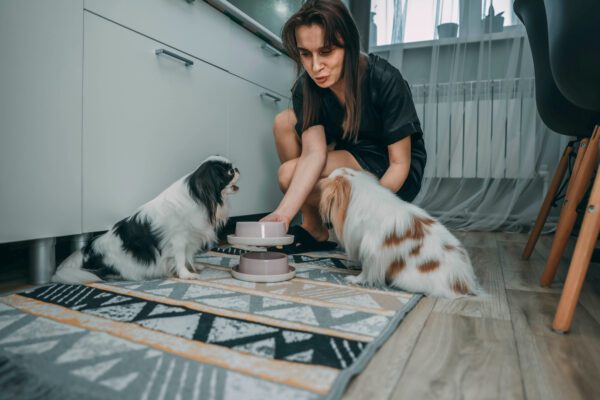
How Much Does It Cost to Adopt a Japanese Chin in Oklahoma?In Oklahoma, adoption fees for a Japanese Chin typically range from $150 to $400 for adults, with puppies sometimes reaching $250 to $450. Fees trend toward the lower end for seniors and toward the higher end for puppies or dogs that receive extensive medical support. Costs reflect the region’s overall expenses and the specialized care often needed for a toy breed. Several factors affect price, including age, prior training, medical care, and demand for small companion dogs. Most fees include spaying or neutering, vaccinations, microchipping, and veterinary exams. Additional treatment for dental issues or airway evaluations can influence the final fee because toy breeds sometimes need extra care before adoption. |
How Should I Train a Japanese Chin?The Japanese Chin is intelligent, sensitive, and eager to please. The breed responds best to calm guidance and consistent routines. Short sessions keep attention high and reduce frustration. House training can be challenging for a toy dog because small bladders require frequent breaks, so scheduled outdoor trips and a well-fitted crate help. Socialization with friendly people and gentle dogs builds confidence and reduces clinginess. Because this breed can be heat sensitive, plan training during cooler hours and keep water available. Use positive reinforcement with treats, praise, and play. Harsh corrections can damage trust and create anxiety, which slows learning. Begin with name recognition, hand targeting, and recall games to strengthen focus. Add leash manners, polite greetings, and calm alone-time training to prevent problem barking. For structured guidance at home, explore Dog Academy’s online training courses, which teach foundation skills, enrichment routines, and gentle strategies tailored to small companion dogs. |
|
The ideal adopter enjoys quiet companionship, values routine, and can provide climate-controlled comfort year-round. A Japanese Chin thrives with owners who work from home or who can offer frequent check-ins, gentle play, regular brushing, and ongoing dental care. Take time to prepare your home, learn the breed’s needs, and plan a training routine that relies on positive reinforcement. Move at a thoughtful pace, ask questions, and use trusted resources so you can adopt a Japanese Chin in Oklahoma with confidence and care.

Introducing a new puppy to your current dog is often an exciting process, and many dogs will become fast friends and eas...
Read More
Rescue dogs can make great companions and can transform your home into something better. These dogs make great pets and ...
Read More
You should never rush to pet a dog. Even dog owners make the mistake of approaching unfamiliar dogs and petting them rig...
Read More
Puppy mill dogs are survivors who have endured extreme hardships in their lives. They have grown up in horrendous, unsan...
Read More
With their wagging tails and comforting presence, adopting a dog can add a unique touch to your life. It’s a heart...
Read More
Older dogs may have a few gray hairs around the edges, but that doesn’t mean they can’t make wonderful companions! T...
Read More