




























































































































































































Introducing a new puppy to your current dog is often an exciting process, and many dogs will become fast friends and eas...
Read MoreAdopt Me
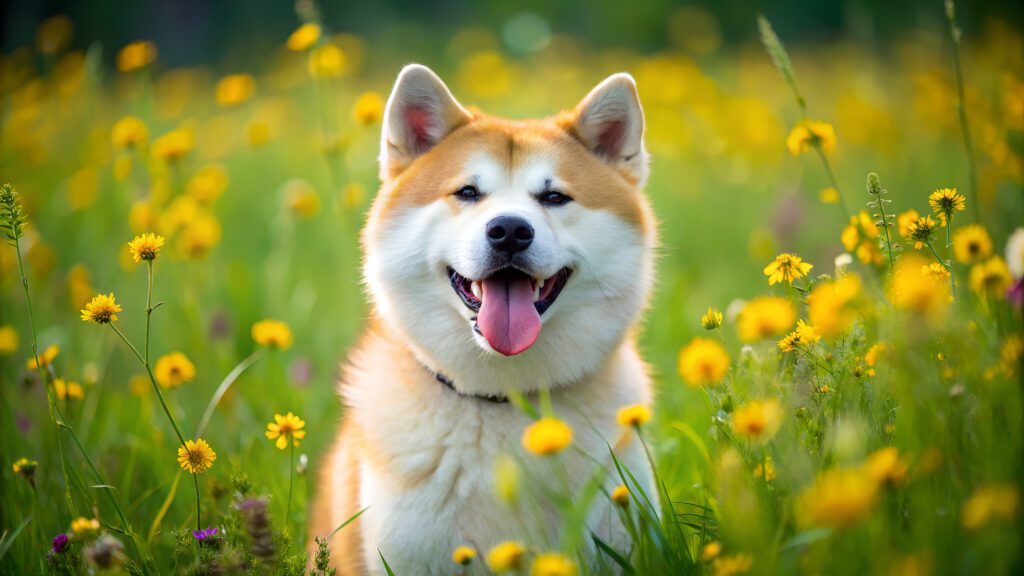
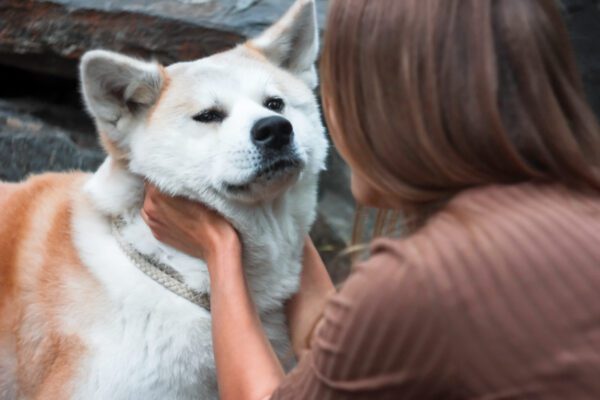
An Akita is a devoted guardian and a calm, dignified companion. The breed is intelligent, independent, and deeply loyal to family. Many Akitas are quiet at home, yet they stay alert and protective. Their thick double coat sheds seasonally and needs regular brushing.
Thoughtful research matters before you bring an Akita home. Adoption gives a dog a second chance and often includes essential veterinary care at a fair price. Hawaii’s tropical climate can challenge a northern breed like the Akita, which means you should plan for early morning and evening exercise, ample shade, and air conditioning during hotter months. Island life often means smaller yards and close neighbors, so a secure fence, consistent training, and clear house rules are important.
Hawaii offers beautiful trails and an outdoor lifestyle, which can suit an Akita that enjoys structured walks and calm adventures. Heat, humidity, and strong sun require careful management. Your routine should protect joint health on hot pavement and provide quiet recovery indoors. When you prepare well, an Akita can thrive as a loyal partner in Hawaii.
You can avoid searching rescues and shelters one by one by using Dog Academy. Dog Academy’s adoption listings gather available dogs from local animal shelters, regional rescues, and breed-specific rescue groups in one place. You can filter by location, age, and size, then read each profile to learn about temperament, medical history, and lifestyle needs.
The adoption process usually starts with browsing listings and submitting an application. Applications often ask about your home, your schedule, your experience with large or independent breeds, and your plans for training. Many groups request a landlord approval letter when you rent and a veterinary reference when you already have pets. Timelines vary by group, but most approvals take 3 to 14 days once you complete all steps.
After an initial review, most organizations arrange a meet-and-greet. Meetings may happen at a shelter, at a foster home, or in a neutral public space. If you have resident pets, staff or volunteers may guide slow introductions to keep stress low. A home check is common. It can be virtual or in person. The goal is to confirm secure fencing, safe gates, shade and cooling options, and a quiet area for rest. Final approval usually follows a successful meeting and home check, and you then sign an adoption agreement and pay the fee.
Some rescues arrange transport when a dog is on a different island. Transport is often arranged by rescues to move dogs between islands by air with volunteer escorts. If a dog is coming from outside Hawaii, you should confirm compliance with Hawaii’s animal import rules, which require proof of rabies vaccination and advance paperwork. Adopting locally can simplify logistics and timing.
|
How Much Does It Cost to Adopt a Akita in Hawaii?Most adopters in Hawaii can expect to pay $250 to $550 to adopt an Akita. Puppies and young adults on high demand can cost slightly more when recent veterinary care and training support are included. Fees tend to be higher when the dog has received extensive medical care or professional training, and lower for seniors or dogs with special needs. Adoption fees typically cover spaying or neutering, vaccinations, microchipping, and veterinary exams. Costs can also reflect heartworm testing, parasite treatment, and dentals for older dogs. Interisland transport, when offered, is usually an additional expense set by the carrier and paid at booking. |
How Should I Train a Akita?Akitas are intelligent and capable, yet they can be independent and strong-willed. Training works best when you use positive reinforcement, clear boundaries, and calm consistency. Keep sessions short, varied, and rewarding. Teach reliable basics such as sit, down, stay, come, and heel, and pair those skills with impulse control games like leave it and place. Early and careful socialization is vital. Introduce new people, surfaces, and environments at a pace your dog can handle. Many Akitas do not enjoy off-leash dog parks and can be selective with other dogs. Focus on neutral exposure, loose-leash walking, and calm engagement around distractions. Practice recalls with a long line for safety. Teach cooperative care so grooming, nail trims, and brushing feel predictable and safe, which matters during heavy shedding seasons in Hawaii’s humid climate. Structured guidance helps an Akita relax and make good choices. If you want expert support at home, explore Dog Academy’s online training courses. Step-by-step lessons cover obedience, leash manners, enrichment, and behavior problem solving, which builds confidence for both you and your dog. |

|
The ideal Akita adopter is calm, patient, and consistent. A secure yard, time for daily exercise, and a plan for cooling during hot afternoons set your dog up for success. Families with clear boundaries and supervised child interactions usually do best. Households with other large dogs should plan slow introductions and thoughtful management.
Preparation leads to a lasting match. Take your time, read full bios, ask detailed questions, and confirm that the dog’s energy level and temperament fit your home. When you are ready, use Dog Academy’s adoption listings and training resources to adopt with confidence and welcome a loyal Akita into your Hawaii life.

Introducing a new puppy to your current dog is often an exciting process, and many dogs will become fast friends and eas...
Read More
Rescue dogs can make great companions and can transform your home into something better. These dogs make great pets and ...
Read More
You should never rush to pet a dog. Even dog owners make the mistake of approaching unfamiliar dogs and petting them rig...
Read More
Puppy mill dogs are survivors who have endured extreme hardships in their lives. They have grown up in horrendous, unsan...
Read More
With their wagging tails and comforting presence, adopting a dog can add a unique touch to your life. It’s a heart...
Read More
Older dogs may have a few gray hairs around the edges, but that doesn’t mean they can’t make wonderful companions! T...
Read More