


































































































































































Introducing a new puppy to your current dog is often an exciting process, and many dogs will become fast friends and eas...
Read More
How to Introduce a New Puppy to Your Dog

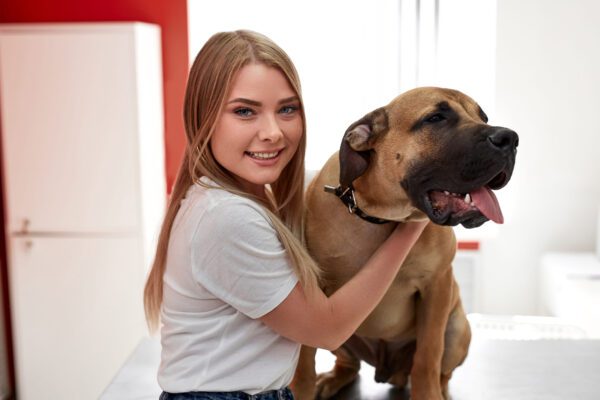
The Tosa Inu is a calm, powerful, and loyal guardian that bonds deeply with its family. This breed is confident and thoughtful, with a quiet presence indoors and measured strength outdoors. A Tosa Inu thrives with steady leadership, patient socialization, and clear rules. The result is a devoted companion that protects the home while staying composed in daily life.
Research matters before you adopt. A thoughtful plan helps you match a dog’s needs to your lifestyle and space. Adoption is a responsible way to welcome a Tosa Inu because it gives a deserving dog a second chance and supports ethical placement. Many adoptable Tosa Inu receive health checks and behavioral evaluations, which helps new owners start strong.
Rhode Island’s coastal climate brings humid summers and chilly winters. A Tosa Inu’s short coat handles cool weather with a brisk pace, yet this large breed can overheat in humid heat. Provide shade, fresh water, and rest on warm days, and use a fitted coat on very cold mornings. The state’s compact geography includes busy neighborhoods and coastal paths, which favors structured exercise and calm leash manners. A secure fenced yard is ideal, and owners should follow local dog rules that cover public spaces and seasonal beach access.
You can skip hunting through shelters and rescues one by one by using Dog Academy. You can browse current listings, filter for location, and review photos and bios in one place. Dog Academy also offers educational guides and adoption checklists that help you prepare your home, your schedule, and your budget. You can also look for adoptable Tosa Inu through local animal shelters, regional rescues, and breed-specific rescue groups that serve New England.
Start by browsing listings and reading each bio closely. Note age, size, energy level, medical needs, and any behavior notes. Ask questions about history, training, and daily routine. Request videos or extra photos when possible to see how the dog moves, relaxes, and greets people.
Next, complete an application that outlines your household, schedule, fencing, and training plan. Most groups verify landlord approval for renters and request personal and veterinary references. Respond quickly and clearly to emails and calls to keep the process moving. Approval times vary, though many groups review applications within 2 to 7 days.
Plan a meet-and-greet with all household members and any resident dogs. Many organizations host meets at a shelter, in a foster home, or in a neutral public space. Expect structured introductions, calm walking, and handling exercises that check comfort with touch and equipment. Some groups ask for more than one meeting to confirm the match is solid, especially with a powerful guardian breed.
A home check often follows. A volunteer or coordinator may visit in person or conduct a virtual tour to confirm safety, secure fencing, and appropriate spaces for rest and confinement. If the dog is located outside Rhode Island, some rescues arrange transport between locations using volunteer drivers or licensed carriers, and adopters may pay a transport fee. Final approval includes an adoption contract, the fee, and guidance for the first weeks at home, which often covers decompression, crate scheduling, and slow dog-to-dog introductions.

|
How Much Does It Cost to Adopt a Tosa Inu in Rhode Island?In Rhode Island, the typical adoption fee for a Tosa Inu ranges from $350 to $650. Puppies and dogs with extensive training or recent medical care may be at the higher end. The fee often includes spaying or neutering, vaccinations, microchipping, and veterinary exams. Costs vary with age, training history, medical needs, and regional demand for large guardian breeds. Plan for ongoing expenses after adoption. A Tosa Inu eats a substantial amount of quality food, which often totals $60 to $120 per month. Initial supplies such as a crate, bed, bowls, leash, collar, and toys can run $200 to $400. Training and behavior support can cost $100 to $300 per course, and insurance or a veterinary savings plan can add $40 to $90 per month. These numbers help you budget for a stable and healthy start. |
How Should I Train a Tosa Inu?The Tosa Inu is intelligent and steady, though often independent. Clear structure and consistent routines help this breed make good choices. Use positive reinforcement with food, toys, and praise to reward calm behavior and attention. Harsh methods can damage trust and increase conflict, while reward-based training builds confidence and reliability. Focus on impulse control, loose-leash walking, polite greetings, and relaxed settling on a mat. Start socialization early and keep sessions brief and calm. Teach body handling for vet and grooming care, and introduce a comfortable muzzle as a useful safety tool for stressful situations. Many owners find success with short daily sessions that end on a win. For step-by-step guidance, enroll in Dog Academy’s online training courses. You can follow structured lessons for obedience, leash skills, impulse control, and confidence building. Courses fit busy schedules and provide clear plans that support a thoughtful, low-stress transition. |

|
The ideal Tosa Inu owner has large-breed experience, a calm home, and a commitment to daily training and management. A fenced yard, clear household rules, and time for exercise and enrichment set the foundation for success. Families with older children who respect boundaries often do well with this thoughtful breed.
Take your time as you search, ask detailed questions, and prepare your space before your dog arrives. With careful planning, the right match, and steady training, you can adopt a Tosa Inu in Rhode Island and enjoy a loyal, composed companion for years to come. Dog Academy is here to help you research, plan, and welcome your new dog with confidence.
Introducing a new puppy to your current dog is often an exciting process, and many dogs will become fast friends and eas...
Read More
Rescue dogs can make great companions and can transform your home into something better. These dogs make great pets and ...
Read More
You should never rush to pet a dog. Even dog owners make the mistake of approaching unfamiliar dogs and petting them rig...
Read More
Puppy mill dogs are survivors who have endured extreme hardships in their lives. They have grown up in horrendous, unsan...
Read More
With their wagging tails and comforting presence, adopting a dog can add a unique touch to your life. It’s a heart...
Read More
Older dogs may have a few gray hairs around the edges, but that doesn’t mean they can’t make wonderful companions! T...
Read More