


























































































































































































Introducing a new puppy to your current dog is often an exciting process, and many dogs will become fast friends and eas...
Read MoreAdopt Me

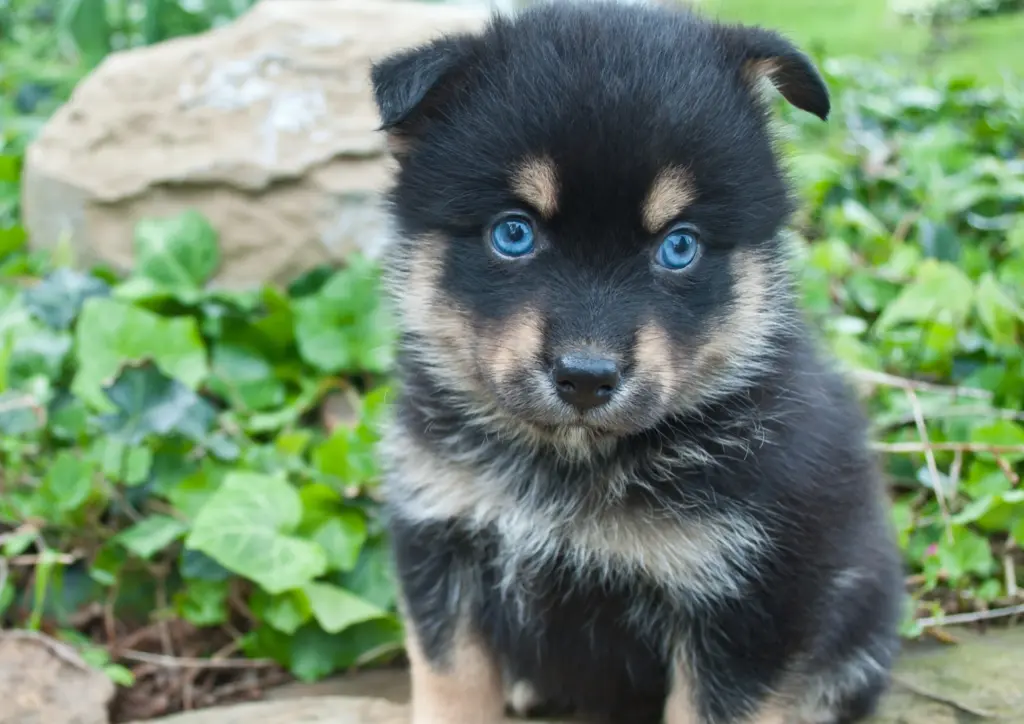
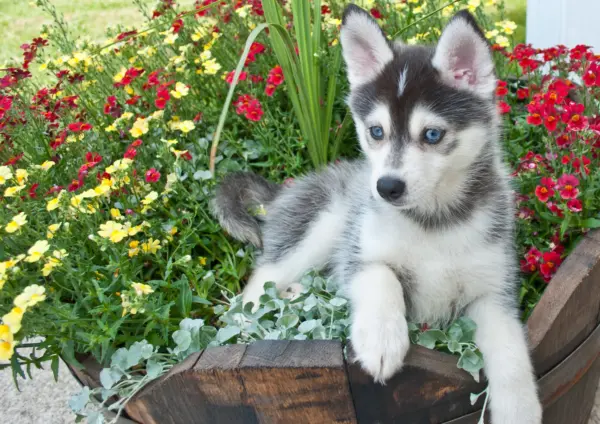
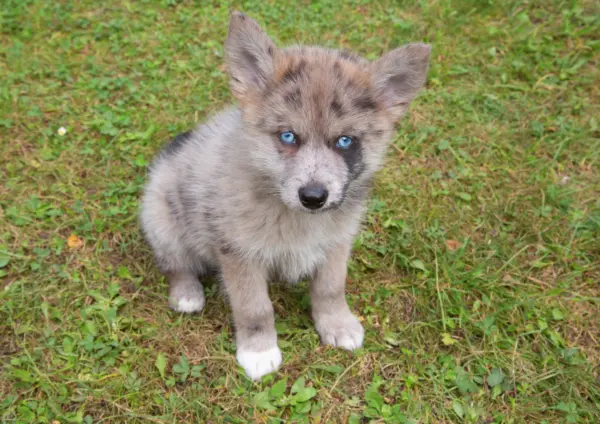
A Pomsky blends the bright, foxy charm of the Pomeranian with the athletic spirit of the Siberian Husky. This mix creates a compact companion that is playful, clever, and affectionate. Many Pomskies bond closely with their people and thrive on daily activities, puzzle toys, and time spent learning new skills. The breed often sheds year round and can vocalize when excited or bored, which makes training and enrichment important.
Research matters before you adopt a Pomsky. You should understand energy levels, grooming needs, and the tendency to test boundaries. Adoption gives a dog a second chance and often includes helpful support from the organization that knows the dog. Adoption also reduces demand for commercial breeding and can save money while still providing essential veterinary care.
Rhode Island can suit a Pomsky well. Cold winters match the breed’s double coat, while humid summers require shade, cool water, and shorter walks during cooler hours. The state’s compact size makes drives to parks and training classes manageable. Apartment living can work if you provide daily exercise, noise management, and consistent routine. Coastal winds help on warm days, though you should still monitor for heat stress during peak summer.
You can skip searching shelters and rescues one by one by browsing listings on Dog Academy. You can view available Pomskies, filter by location, and apply directly. You can also use Dog Academy’s educational guides and adoption checklists to learn what to prepare, what to ask, and how to set up your home for a smooth transition.
You can find adoptable Pomskies through local animal shelters, regional rescues, and breed-specific rescue groups. You can widen your search across New England to improve your chances. Rescues sometimes arrange transport to move dogs between locations when the best adopter lives elsewhere. Transport usually involves scheduled routes, safety protocols, and a modest additional fee that covers fuel and care during travel.
The adoption process starts with browsing listings and reading each dog’s profile carefully. Profiles often describe age, size, energy level, health history, and behavior notes. You then submit an application that explains your household, schedule, experience, and landlord approval if you rent. Many organizations contact references and speak with your veterinarian to confirm previous care for pets.
After an application review, most organizations schedule a meet-and-greet. The meeting can take place at a shelter, at a foster home, or at a neutral public space. Families should bring all household members and plan safe introductions with resident dogs. Some groups conduct a home check either in person or by video call to confirm safe fencing, secure doors, and space for rest and play. Approval timelines vary by volunteer capacity and the number of applicants, but a typical decision window ranges from 3 to 14 days.
Certain organizations offer foster-to-adopt options. A foster-to-adopt placement is a short trial that allows the dog to live with you while you finalize the adoption. This trial helps confirm a good fit with your routine and your resident pets before you sign the contract.
|
How Much Does It Cost to Adopt a Pomsky in Rhode Island?A realistic adoption fee to adopt a Pomsky in Rhode Island typically falls between $350 and $650. Puppies and high-demand dogs trend toward the top of the range, while adults often fall in the middle of the range. Fees reflect age, prior training, medical care, and regional demand. Fees usually include spaying or neutering, vaccinations, microchipping, and veterinary exams. Some organizations also invest in dental care, behavioral support, or grooming before adoption, which can affect pricing. You may see separate charges for transport, a dog license, or an optional starter kit. |
How Should I Train a Pomsky?Pomskies are sharp, curious, and eager to learn. They respond best to positive reinforcement that uses food rewards, toys, and praise. Short lessons that end on a success help a Pomsky stay engaged. Clear markers like a click or a brief verbal cue help the dog understand which behavior earned the reward. Common challenges include vocalizing, pulling on leash, and chasing wildlife. You can manage these behaviors with impulse control games, structured leash practice, and a reliable recall that starts on a long line in quiet areas. Daily mental work matters as much as physical exercise. You can rotate puzzle feeders, teach new tricks, and practice calm settle cues to lower arousal. Early socialization builds confidence with people, dogs, and new environments. Cooperative care skills for brushing and nail trims make grooming safer and less stressful. If you want step-by-step guidance, you can enroll in Dog Academy’s online training courses. You can follow clear lessons for foundation skills, loose-leash walking, recall, crate training, and polite greetings that suit a lively Pomsky. |

|
The ideal Pomsky adopter enjoys daily activity, patient training, and regular grooming. A good match provides 60 to 90 minutes of exercise spread through the day, plus enrichment that challenges the mind. Households in apartments or townhomes can succeed when they plan for structured walks, noise management, and consistent routines.
Preparation sets you up for success. You should budget for veterinary care, quality food, training, and seasonal gear for heat safety. Take your time, ask clear questions, and choose a dog whose needs match your lifestyle. When you feel ready, start with Dog Academy’s adoption listings, learn from expert guides, and welcome the right Pomsky home with confidence.

Introducing a new puppy to your current dog is often an exciting process, and many dogs will become fast friends and eas...
Read More
Rescue dogs can make great companions and can transform your home into something better. These dogs make great pets and ...
Read More
You should never rush to pet a dog. Even dog owners make the mistake of approaching unfamiliar dogs and petting them rig...
Read More
Puppy mill dogs are survivors who have endured extreme hardships in their lives. They have grown up in horrendous, unsan...
Read More
With their wagging tails and comforting presence, adopting a dog can add a unique touch to your life. It’s a heart...
Read More
Older dogs may have a few gray hairs around the edges, but that doesn’t mean they can’t make wonderful companions! T...
Read More