













































































Introducing a new puppy to your current dog is often an exciting process, and many dogs will become fast friends and eas...
Read MoreAdopt Me

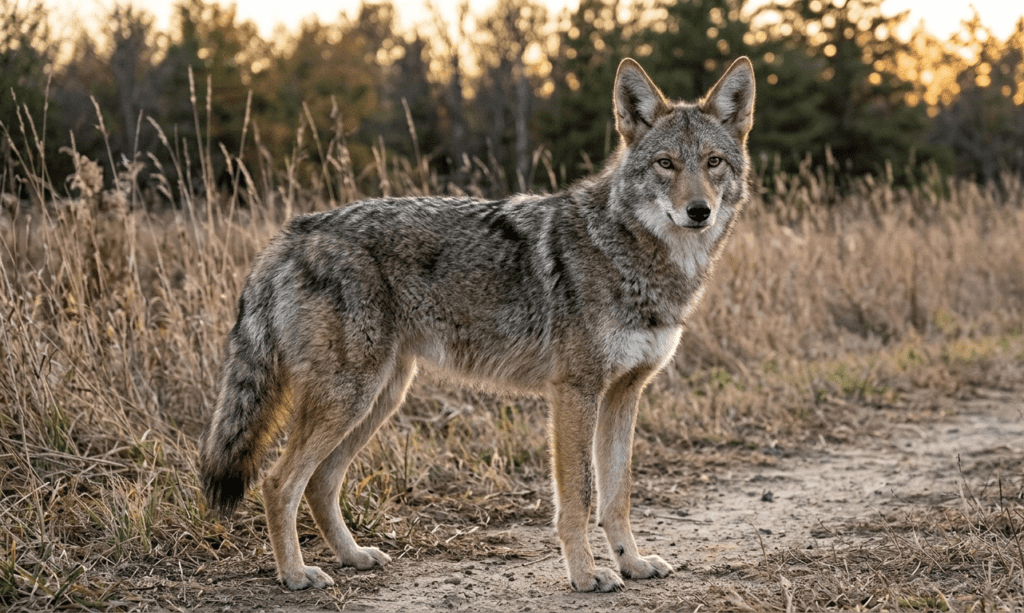
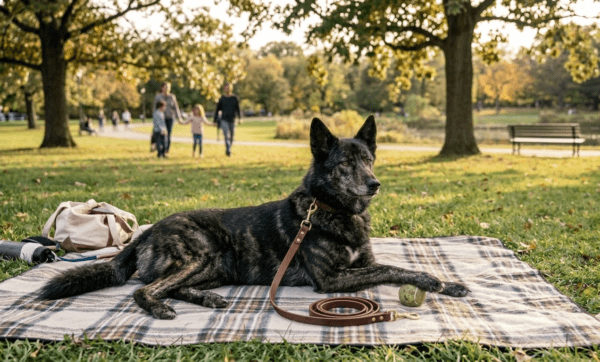
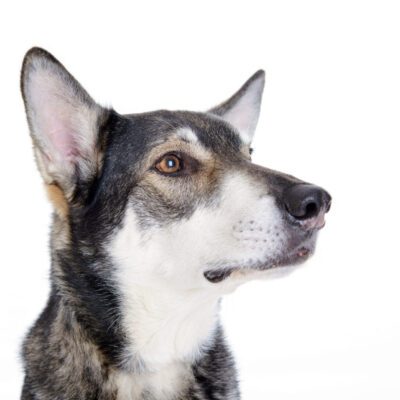
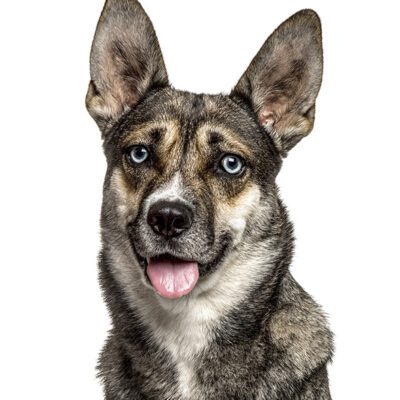
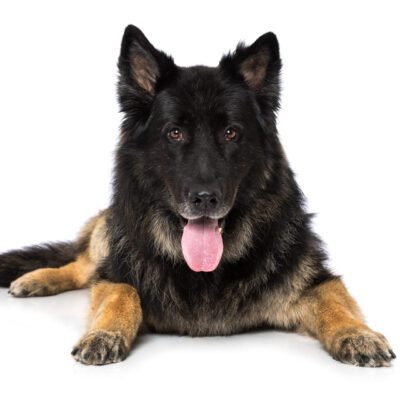
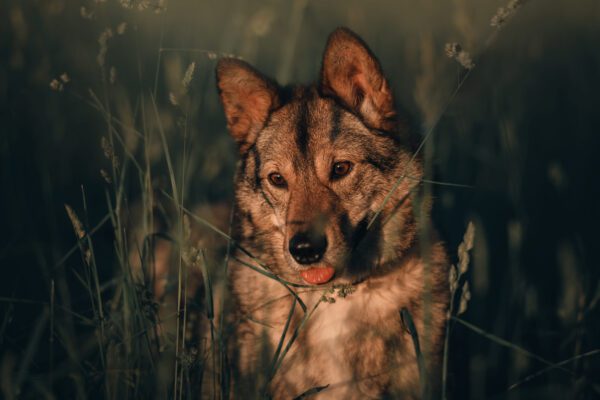
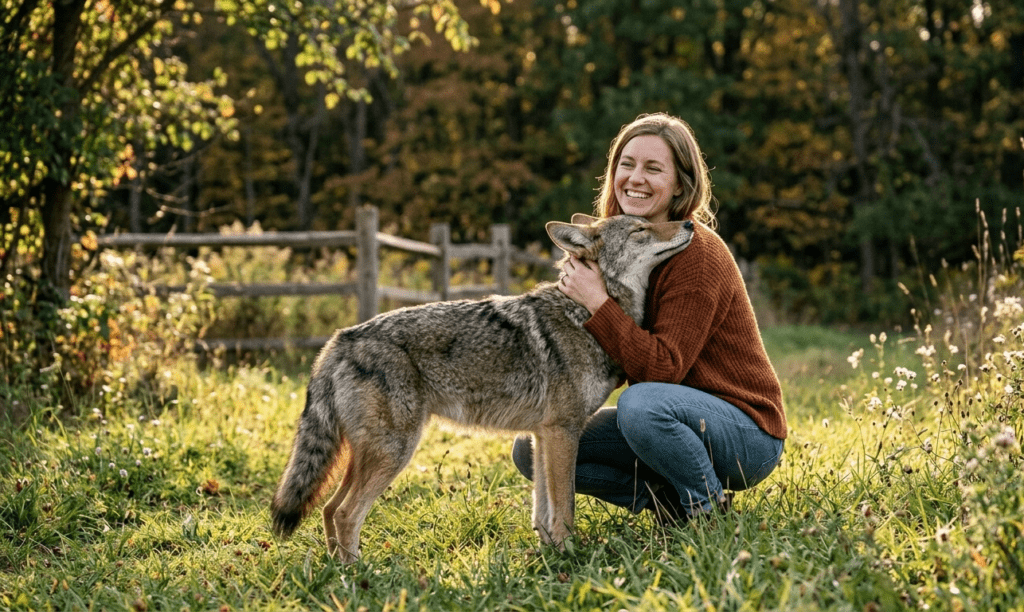
A Coydog can be keen, athletic, observant, and deeply bonded with the right person. Many show high intelligence and strong endurance. They often thrive when they get clear structure, daily exercise, and thoughtful enrichment. Because Coydogs are mixed with a wild canid lineage, they can be more independent than the average companion dog and they may be wary of strangers. Careful research is essential before you adopt a Coydog in Rhode Island.
Adoption is preferable to buying because it supports animal welfare, it discourages irresponsible breeding, and it pairs you with a dog whose health and behavior have been evaluated. Ethical adoption also comes with transparent records and post-adoption support. Learning about this breed type in advance helps you set fair expectations about training, management, and lifestyle needs.
Rhode Island offers a coastal climate with cold, windy winters and humid summers. Coydogs handle cool weather well when they have shelter, but heat and humidity call for careful activity planning and consistent access to shade and water. The state is compact and densely populated, which means close neighbors, frequent leash requirements, and limited off-leash space. A Coydog often does best with secure fencing, daily structured exercise, and calm exposure to busy neighborhoods.
You can avoid searching separate rescues and shelters by using Dog Academy, which brings adoptable dogs from multiple sources into one set of listings. You can filter by the breed label provided by each listing group, review profiles, and save time. Dog Academy also provides educational guides and adoption checklists that help you plan transport, supplies, training, and home setup.
Start by browsing listings from local animal shelters, regional rescues, and breed-specific rescue groups. Read every profile fully so you understand age, size, energy, handling needs, and any placement limits. Because a Coydog can show strong prey drive and escape tendencies, confirm fencing expectations and handling notes before you apply. Rhode Island maintains strict rules for wild canid hybrids, so you should verify local regulations and housing rules before you move forward.
Complete the adoption application with detailed information about your schedule, home, experience, and other pets. Many organizations request landlord approval letters and veterinary references. After your application is reviewed, most groups schedule a meet-and-greet at the shelter, in a foster home, or in a neutral location. Some groups perform home checks to confirm secure fencing and safe containment. Approval timelines range from a few days to a few weeks, depending on the dog, your availability, and the group’s process.
If the right Coydog is not available nearby, rescues sometimes arrange transport between locations to move dogs safely to approved adopters. Transport is often organized with vetted volunteer drivers or professional carriers who follow set routes and health protocols. You should ask about fees, travel schedules, and pickup locations so you can plan comfortably.
|
How Much Does It Cost to Adopt a Coydog in Rhode Island?Expect most adoption fees for a Coydog in Rhode Island to fall between $250 and $500. This estimate reflects typical costs for mixed-breed dogs in the region that receive full veterinary care and behavior evaluation. Fees can vary based on age, training, recent medical care, and local demand. Puppies and highly social dogs often cost more because they receive more applications, while older dogs or dogs that need extra training may cost a bit less. Reputable groups include essential services in the fee. These usually cover spaying or neutering, vaccinations, microchipping, and veterinary exams. Many groups also provide deworming, heartworm testing, and a starter supply of medications. The final fee reflects the actual cost of care in Rhode Island and helps the organization support future intakes. |
How Should I Train a Coydog?Coydogs are quick thinkers who notice small changes in the environment. Many are highly trainable when the plan is clear and the rewards are meaningful. They also tend to be independent, which means they test boundaries if training is inconsistent or if reinforcement is weak. Positive reinforcement builds trust, increases focus, and reduces conflict for this sensitive and intelligent type of dog. Start with foundation skills that you can use every day. Teach name recognition, hand target, settle on a mat, loose-leash walking, recall, and drop. Use food rewards, toys, and life rewards such as access to sniffing. Practice calm introductions to new people from a distance that your dog can handle. Provide secure containment, predictable routines, and daily outlets for energy through structured walks, scent games, and puzzle feeders. Avoid harsh corrections that increase stress and erode confidence. For step-by-step coaching you can follow at home, explore Dog Academy’s online training courses. These programs show you how to build reliable obedience, improve leash manners, and troubleshoot challenges like reactivity, jumping, and door dashing. Clear lessons and short practice plans help you turn consistency into progress. |
|
The ideal adopter is active, patient, and committed to structure. A secure yard, time for daily training, and thoughtful management around small pets set a Coydog up for success. Families should agree on rules and reinforce the same cues so the dog gets a consistent message.
Preparation is everything. Study the breed type, set your budget, gather supplies, and plan your training routine before you bring a dog home. Take your time, ask detailed questions, and wait for the right match. When you adopt a Coydog in Rhode Island with a clear plan, you give a unique dog a safe start and you give yourself a confident path forward.
Introducing a new puppy to your current dog is often an exciting process, and many dogs will become fast friends and eas...
Read More
Rescue dogs can make great companions and can transform your home into something better. These dogs make great pets and ...
Read More
You should never rush to pet a dog. Even dog owners make the mistake of approaching unfamiliar dogs and petting them rig...
Read More
Puppy mill dogs are survivors who have endured extreme hardships in their lives. They have grown up in horrendous, unsan...
Read More
With their wagging tails and comforting presence, adopting a dog can add a unique touch to your life. It’s a heart...
Read More
Older dogs may have a few gray hairs around the edges, but that doesn’t mean they can’t make wonderful companions! T...
Read More