




























































































































































































Introducing a new puppy to your current dog is often an exciting process, and many dogs will become fast friends and eas...
Read MoreAdopt Me

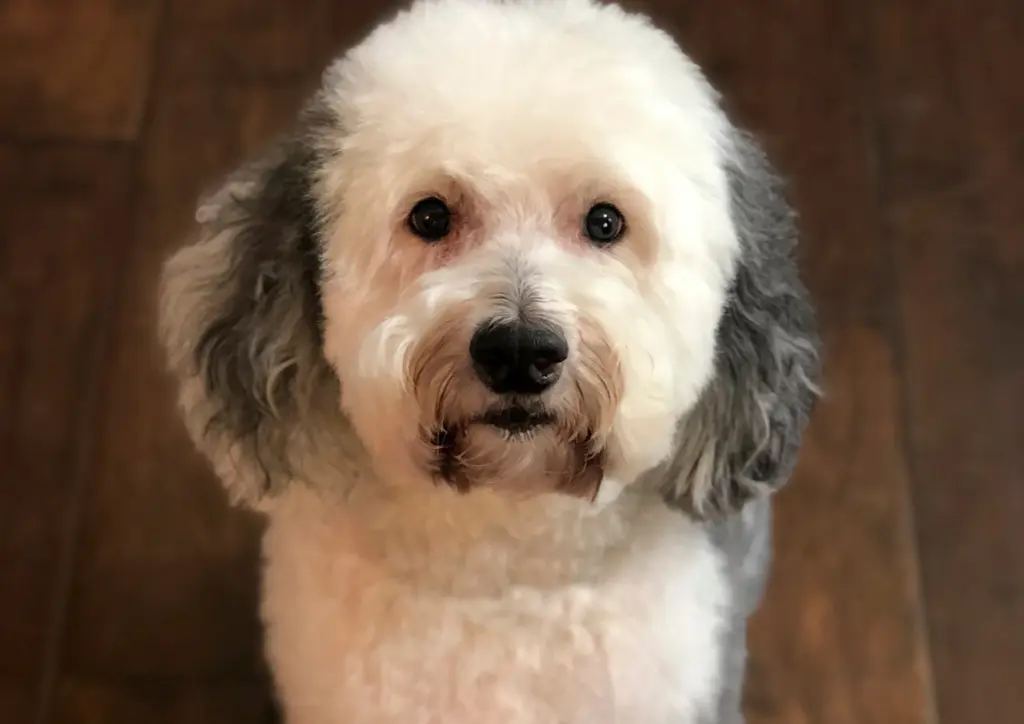
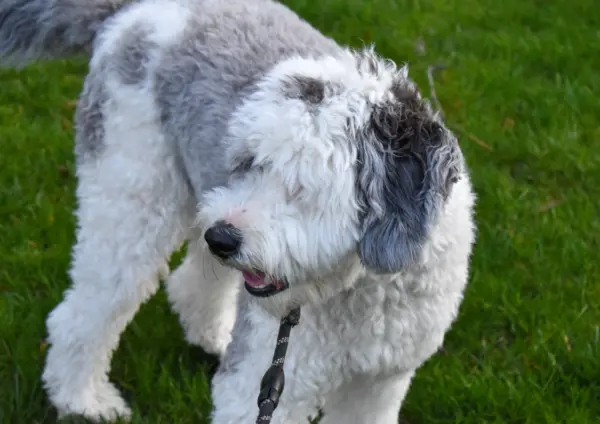
A Sheepadoodle blends the loyalty of the Old English Sheepdog with the intelligence of the Poodle, which creates a warm, social, and highly trainable companion. Many Sheepadoodles have low-shedding coats, which helps allergy-sensitive households, though no dog is fully hypoallergenic. Families love this breed for its affectionate nature, playful energy, and eagerness to learn.
Research matters before you adopt a Sheepadoodle in Virginia because this breed needs daily exercise, mental enrichment, and consistent grooming. A full-grown Sheepadoodle can be large and strong, so leash manners and structure are important. Adoption is a smart choice because you give a dog a second chance, you reduce demand for irresponsible breeding, and you gain guidance from experienced shelter and rescue teams.
Virginia offers a strong fit for active Sheepadoodles because the state has diverse geography that includes coastal plains, rolling farmland, and mountain trails. Hot, humid summers require shade, water, and careful coat management, while cold winters call for a dry, brushed coat that retains warmth without matting. Urban living can work when you commit to multiple walks and structured play, and suburban or rural settings give this energetic breed more room to run.
You can skip searching shelters and rescues separately by using adoption listings from Dog Academy. You can browse available Sheepadoodles across Virginia in one place, read detailed profiles, and learn next steps with educational guides and adoption checklists. This approach saves time and helps you compare options clearly.
Adoptable Sheepadoodles in Virginia appear through local animal shelters, regional rescues, and breed-specific rescue groups that focus on poodle mixes. Start by browsing listings, then read each bio carefully to understand temperament, energy level, coat type, and medical history. Ask clear questions about grooming tolerance, exposure to children, compatibility with other pets, and current training.
Most organizations use a structured process that begins with an online application. Applications often ask for personal references, proof of address, and landlord approval when you rent. After approval, you schedule a meet-and-greet with the dog and any resident pets, which helps confirm a good match. Many groups complete a virtual or in-person home check to confirm safety, space, and secure fencing when required. Approval timelines vary, but many Virginia adoptions move from application to decision within 1 to 3 weeks, depending on demand and scheduling.
Once you are approved, you sign an adoption contract and pay the fee before or at pickup. Rescues sometimes arrange transport between locations to move dogs between states or regions when a good match is found. Transport can involve volunteer drivers, professional carriers, or a coordinated relay, and adopters receive clear pickup instructions and timelines. Post-adoption support is common, and many groups offer follow-up calls to help with decompression, feeding transitions, and training questions.
|
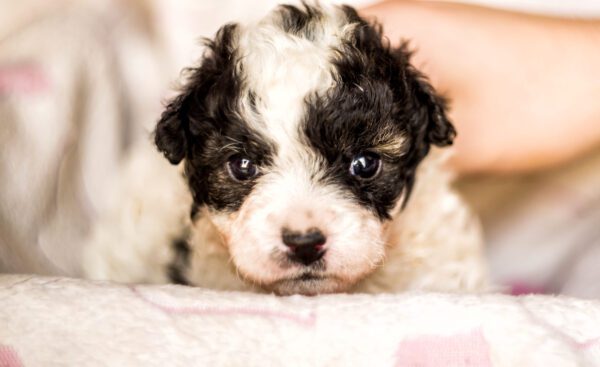
How Much Does It Cost to Adopt a Sheepadoodle in Virginia?In Virginia, the adoption fee for a Sheepadoodle typically ranges from $300 to $650. Fees vary with age, size, and demand, and they often include spaying or neutering, vaccinations, microchipping, and veterinary exams. Puppies and young adults usually sit at the higher end, while seniors and special-needs dogs are often lower. Costs increase when a dog arrives with completed training, recent dental care, or specialized medical treatment. Fees also rise when demand is strong, which is common for poodle mixes. Always confirm what your fee covers, ask for medical records, and request grooming notes. Ongoing care can include professional grooming every 6 to 8 weeks, which often ranges from $80 to $130 in Virginia for a large, curly coat. Grooming frequency and coat condition will affect that price. |
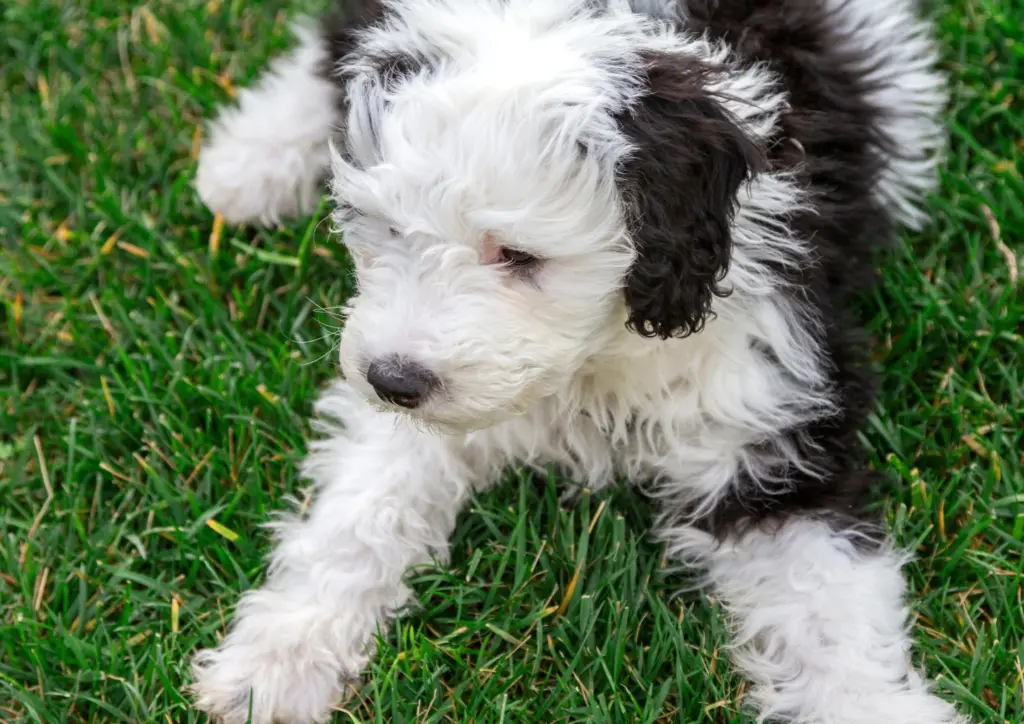
How Should I Train a Sheepadoodle?Sheepadoodles are bright, people-focused, and eager to learn, which makes positive reinforcement highly effective. Reward calm behaviors with treats and praise, use short sessions, and build difficulty gradually. Early socialization with friendly dogs, new places, and varied sounds helps prevent fear and reactivity. Foundation skills like loose-leash walking, recall, place training, crate training, and polite greetings set clear expectations and channel energy. Common challenges include jumping on visitors, herding-style nipping during play, barking when bored, and restlessness from under-exercising. You can prevent these issues with daily aerobic activity, brain games, and impulse control exercises like sit and wait. Desensitize your dog to brushing, ear cleaning, and nail care so grooming is easy and safe. If you want structured guidance, explore Dog Academy’s online training courses, which provide step-by-step lessons for manners, obedience, and enrichment tailored for smart, active breeds. |
|
The ideal Virginia adopter enjoys daily activity, consistent training, and regular grooming. A Sheepadoodle thrives with people who offer time, patience, and clear routines. This breed rewards that effort with affection, adaptability, and strong companionship.
Take your time, prepare your home, and make a plan for exercise, grooming, and training. When you are ready, browse Dog Academy to compare Sheepadoodles across Virginia, read helpful guides, and take the next step toward a confident, well-matched adoption.

Introducing a new puppy to your current dog is often an exciting process, and many dogs will become fast friends and eas...
Read More
Rescue dogs can make great companions and can transform your home into something better. These dogs make great pets and ...
Read More
You should never rush to pet a dog. Even dog owners make the mistake of approaching unfamiliar dogs and petting them rig...
Read More
Puppy mill dogs are survivors who have endured extreme hardships in their lives. They have grown up in horrendous, unsan...
Read More
With their wagging tails and comforting presence, adopting a dog can add a unique touch to your life. It’s a heart...
Read More
Older dogs may have a few gray hairs around the edges, but that doesn’t mean they can’t make wonderful companions! T...
Read More