

























































































































































































Introducing a new puppy to your current dog is often an exciting process, and many dogs will become fast friends and eas...
Read MoreAdopt Me

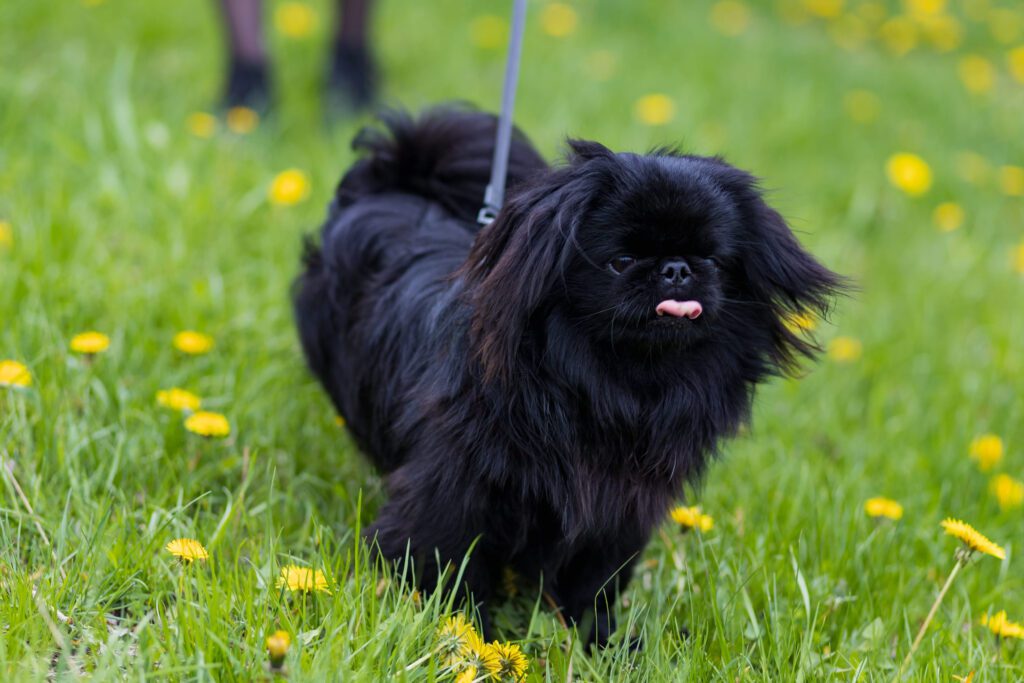

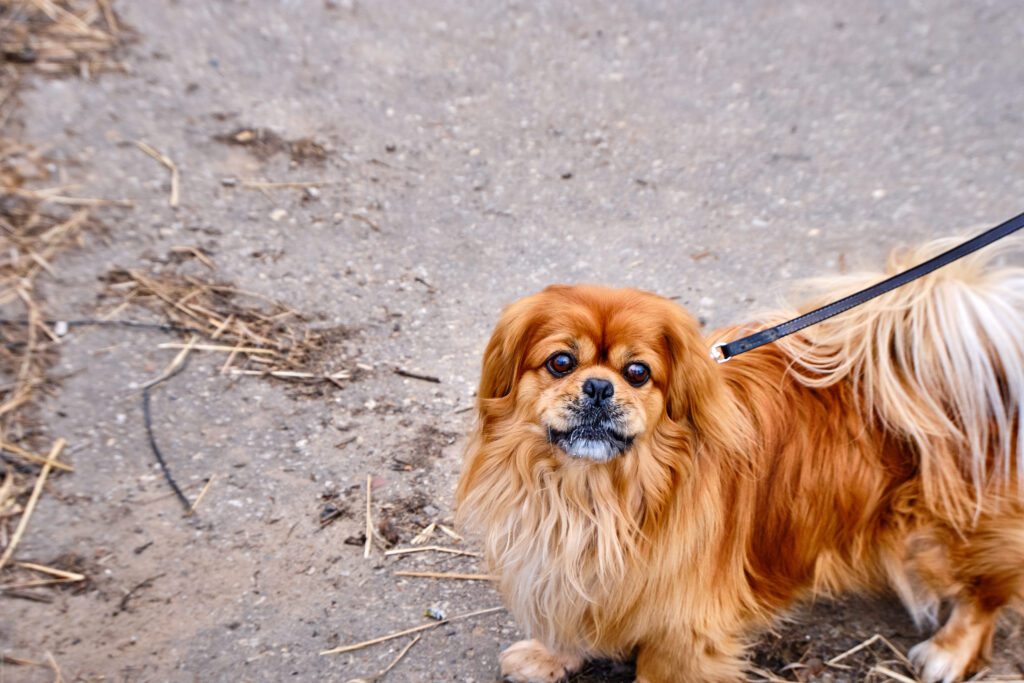
The Pekingese is a devoted, dignified companion that bonds deeply with family. This small breed enjoys quiet time on the couch, short daily walks, and relaxed play. A Pekingese typically prefers a gentle routine and steady handling. The coat requires regular brushing, and the flat face means careful attention to heat and exercise. Thoughtful research before adoption helps you match a dog’s energy, grooming needs, and health profile to your lifestyle.
Adoption gives a Pekingese a second chance while offering you support, transparency, and value. Most adoptable dogs arrive already vetted, which reduces early expenses and helps you start on the right foot. New Jersey’s climate can be hot and humid in summer and cold in winter, so a Pekingese needs climate control and measured activity. The breed suits apartments and townhomes across New Jersey’s cities and suburbs, as long as you plan for indoor comfort, safe walks, and regular grooming.
Daily life in New Jersey offers sidewalks, short neighborhood routes, and indoor enrichment, which fit a Pekingese well. You will need to manage summer heat with shaded outings and water, and you will need warm gear and brief outdoor trips in winter. Stairs can be tough for short legs, so consider ramps or lifts. A calm home with consistent routines helps this breed thrive.
You can skip separate searches of shelters and rescues by using Dog Academy to browse current adoption listings in one place. Dog Academy also provides clear educational guides and an adoption checklist that helps you prepare documents, plan a safe setup, and understand key questions to ask before you apply.
In New Jersey, adoptable Pekingese can be found through local animal shelters, regional rescues, and breed-specific rescue groups. Some dogs arrive as owner surrenders, and others come from transfers. Each listing usually includes age, weight, temperament notes, medical history, and the type of home that best fits the dog.
The process starts by browsing listings and submitting an application. Applications often request personal references, proof of landlord approval when you rent, and a record of current pets and veterinary care. Clear answers that show your plan for heat management, grooming, and daily exercise help reviewers understand your readiness. Many groups respond within 3 to 14 days, although timelines vary with volume and the dog’s needs.
After an application review, you schedule a meet-and-greet. This visit lets you assess compatibility, ask about behavior, and see how the dog handles brushing and gentle handling. If you have pets at home, staff may recommend a careful introduction. Some groups use a foster-to-adopt step, which is a short trial period in your home to confirm the match before final approval.
Home checks are common. A check can be virtual or in person and focuses on safety, secure doors and gates, and a plan for summer cooling and winter warmth. After approval, you sign an adoption agreement and pay the fee. If the right dog is not in your immediate area, rescues sometimes arrange transport between locations. Transport is usually organized by volunteers or professional drivers, and groups coordinate health certificates and schedules to move the dog safely.

|
How Much Does It Cost to Adopt a Pekingese in New Jersey?Most adopters in New Jersey pay about $275 to $475 for a Pekingese. The fee typically covers spaying or neutering, vaccinations, microchipping, and veterinary exams. Costs trend toward the higher end for puppies and young adults and trend lower for seniors. Fees can increase when medical care includes dental treatment, eye evaluations, or airway assessments, which are common considerations for this breed. Age, training, medical care, and demand for small companion dogs all affect price. Some groups add a modest transport surcharge when they arrange travel between states to cover fuel and health documentation. You should also budget for a license in your municipality, a secure harness, a crate, grooming tools, and a first veterinary visit to set up wellness care. |
How Should I Train a Pekingese?A Pekingese is smart, sensitive, and sometimes independent. Short, upbeat sessions work best. Positive reinforcement with food rewards and warm praise builds trust and focus. Consistency matters, so use the same cues, set clear house rules, and reinforce calm behavior every day. Socialization should include gentle handling practice to prepare for brushing, nail trims, and eye care. House training improves with a predictable schedule, frequent outdoor breaks, and immediate rewards when your dog eliminates in the right spot. Crate training provides a safe resting area and supports potty routines. Leash manners and polite greetings help manage alert barking. If you want structured guidance, explore Dog Academy’s online training courses, which teach step-by-step skills for recall, loose-leash walking, cooperative grooming, and confidence building. |
|
The ideal home for a Pekingese offers gentle leadership, daily brushing, moderate activity, and reliable climate control. Families with patient adults or older children who respect boundaries usually do well with this breed. A calm routine and soft bedding keep joints comfortable, and thoughtful handling protects the back and neck.
Preparation leads to lasting success. Take time to learn about health, grooming, and behavior, and gather supplies before your dog arrives. When you feel ready to adopt a Pekingese in New Jersey, review listings through Dog Academy, ask clear questions, and move at a pace that puts the dog’s comfort first. The right match rewards you with a loyal companion for years to come.

Introducing a new puppy to your current dog is often an exciting process, and many dogs will become fast friends and eas...
Read More
Rescue dogs can make great companions and can transform your home into something better. These dogs make great pets and ...
Read More
You should never rush to pet a dog. Even dog owners make the mistake of approaching unfamiliar dogs and petting them rig...
Read More
Puppy mill dogs are survivors who have endured extreme hardships in their lives. They have grown up in horrendous, unsan...
Read More
With their wagging tails and comforting presence, adopting a dog can add a unique touch to your life. It’s a heart...
Read More
Older dogs may have a few gray hairs around the edges, but that doesn’t mean they can’t make wonderful companions! T...
Read More