



























































































































































































Introducing a new puppy to your current dog is often an exciting process, and many dogs will become fast friends and eas...
Read MoreAdopt Me

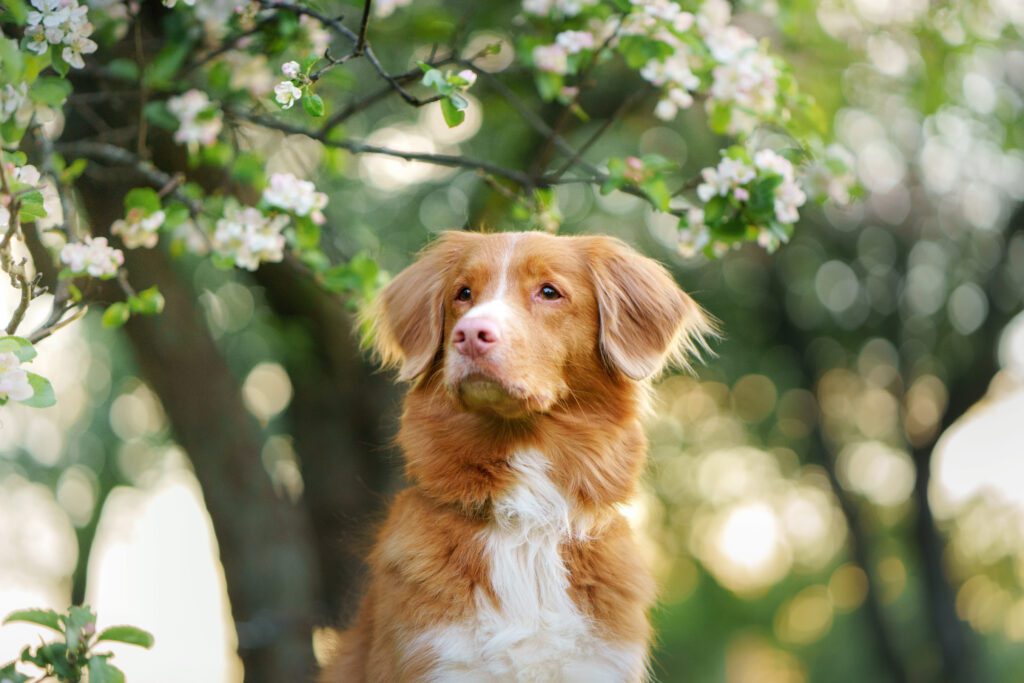



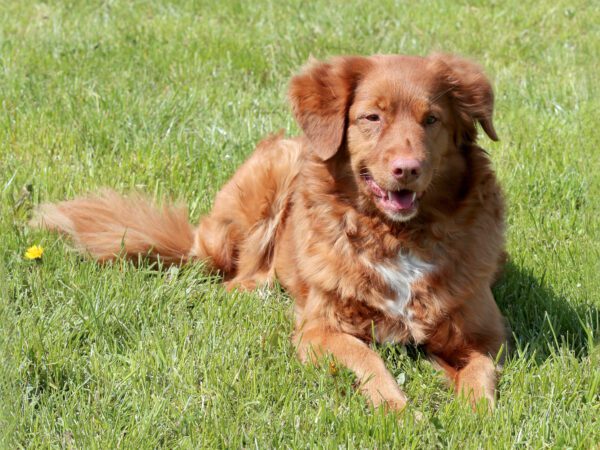
The Nova Scotia Duck Tolling Retriever is a compact, athletic, and joyful retriever that loves to work and play. Tollers are smart, affectionate, and eager to learn. They have a strong retrieving drive, a love of water, and an energetic spirit that suits active households. Their alert nature and cheerful attitude make them engaging companions for people who enjoy time outdoors.
Research matters before you adopt a Nova Scotia Duck Tolling Retriever in Tennessee. This breed needs daily exercise, mental enrichment, and clear training structure. A Toller can be vocal when excited and can become restless without a job. Adoption is a thoughtful choice because it gives a dog a second chance and it supports responsible rescue work. Adopted dogs often arrive with helpful history and basic vetting, which can make the transition easier for families.
Tennessee offers lakes, rivers, and trails that match a Toller’s love of swimming and hiking. The state’s hot and humid summers require careful heat management, steady shade, and plenty of water breaks. Winters are usually mild, which keeps outdoor activities accessible for most of the year. City dwellers can use greenways and dog-friendly trails, while suburban and rural homes can provide yards for play. Wildlife in rural areas can challenge a Toller’s chase instincts, so consistent recall training is important.
You can avoid searching for rescues and shelters separately by browsing adoptable Tollers through Dog Academy. The listings gather dogs from shelters, regional rescues, and breed-focused groups, which saves time and helps you compare options in one place. You can also find helpful educational guides and adoption checklists to prepare for each step.
Adoptable Tollers may appear at local animal shelters, regional rescues, and breed-specific rescue groups that serve Tennessee and nearby states. Start by reviewing profiles, photos, and behavior notes. Read the dog’s energy level, health details, and home preferences. Look for clues about house manners, crate comfort, and compatibility with children or other pets. Ask clarifying questions so you understand the dog’s needs and routine.
Most organizations use an application to learn about your home, schedule, and goals. Expect to share proof of housing, landlord approval if you rent, and veterinary records for current pets. Many groups conduct phone or video interviews to confirm expectations and to discuss breed traits such as exercise requirements, sensitivity to harsh corrections, and grooming needs. The goal is to create a safe and durable match that fits the breed’s temperament.
Next steps often include a meet-and-greet, a home check that may be virtual or in person, and an adoption contract. Timelines vary, though many adoptions move from application to approval in 1 to 3 weeks. If your best match lives outside your immediate area, transport is often arranged by rescues to move dogs between locations. Transport typically uses volunteer drivers or professional carriers, and adopters usually meet at a central pickup point once approval is complete.
|
How Much Does It Cost to Adopt a Nova Scotia Duck Tolling Retriever in Tennessee?In Tennessee, a realistic adoption fee for a Nova Scotia Duck Tolling Retriever typically falls between $300 and $450. Fees sit near the middle of that range for healthy adults, rise for puppies due to vaccinations and supplies, and may adjust for seniors or dogs with special needs. Fees usually include spaying or neutering, vaccinations, microchipping, and veterinary exams. Costs can shift based on age, training level, recent medical care, and local demand for the breed. Some rescues provide additional services such as heartworm testing, preventatives, or dental cleanings, which can also influence fees. If transport is required, organizations may request a separate contribution to offset fuel or carrier costs, and they explain those charges before you commit. |
How Should I Train a Nova Scotia Duck Tolling Retriever?Tollers are bright, sensitive, and highly trainable. They thrive with positive reinforcement that uses food, toys, and praise. Keep sessions short and upbeat to channel their quick minds. Retrieve games, water play, and scent work offer rewarding outlets for natural instincts. Consistency and clear criteria help a Toller understand what earns rewards. Common challenges include high energy, mouthy play, and excited vocalizing. Teach impulse control with sit and wait routines, reward calm behavior in the home, and build a rock-solid recall. Practice loose leash walking to manage enthusiasm on busy Tennessee trails. Avoid harsh corrections because Tollers can shut down under pressure. Confidence grows when training is fair, predictable, and fun. For structured support at home, explore Dog Academy’s online training courses, which cover foundation skills, recall, polite greetings, crate comfort, and enrichment ideas tailored for active breeds. |

|
A great match for a Toller is an active person or family that enjoys daily walks, hikes, swims, or field games. Plan for 60 to 90 minutes of exercise most days along with puzzles and training to work the mind. A secure yard helps, though thoughtful indoor enrichment can meet needs in any home that commits to routine.
Slow and prepared is best when you adopt a Nova Scotia Duck Tolling Retriever in Tennessee. Gather supplies, choose a veterinarian, and set a simple schedule for the first weeks. Take time to meet several dogs, ask detailed questions, and listen to guidance from adoption counselors. With patience and the right plan, you will welcome a loyal partner who can thrive in Tennessee’s rivers, trails, and neighborhoods.

Introducing a new puppy to your current dog is often an exciting process, and many dogs will become fast friends and eas...
Read More
Rescue dogs can make great companions and can transform your home into something better. These dogs make great pets and ...
Read More
You should never rush to pet a dog. Even dog owners make the mistake of approaching unfamiliar dogs and petting them rig...
Read More
Puppy mill dogs are survivors who have endured extreme hardships in their lives. They have grown up in horrendous, unsan...
Read More
With their wagging tails and comforting presence, adopting a dog can add a unique touch to your life. It’s a heart...
Read More
Older dogs may have a few gray hairs around the edges, but that doesn’t mean they can’t make wonderful companions! T...
Read More