




















































































































































































Introducing a new puppy to your current dog is often an exciting process, and many dogs will become fast friends and eas...
Read MoreAdopt Me

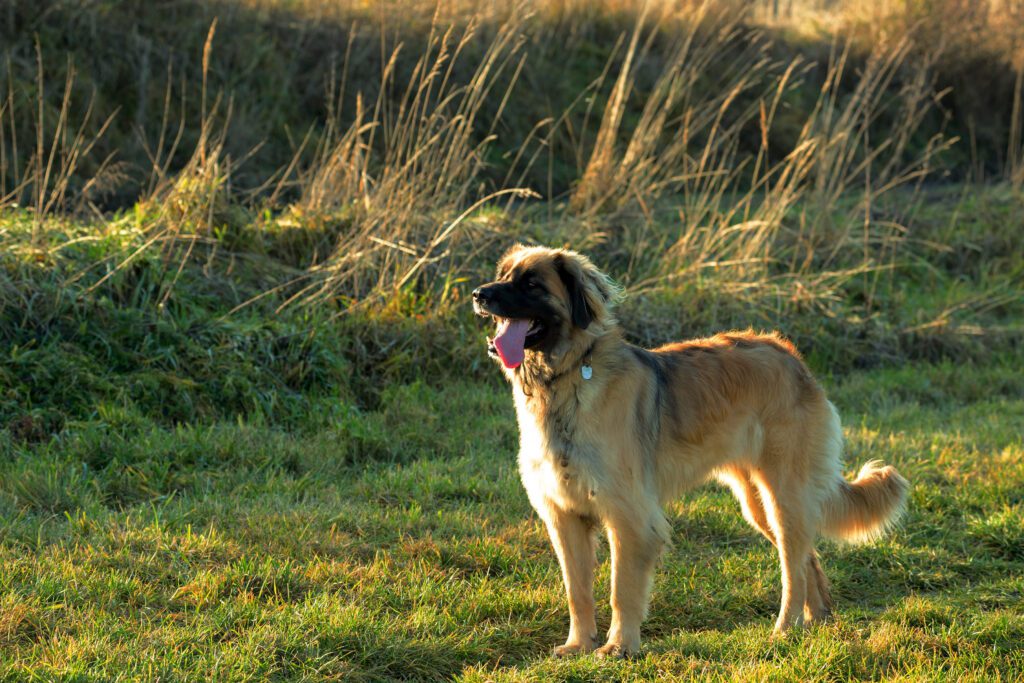
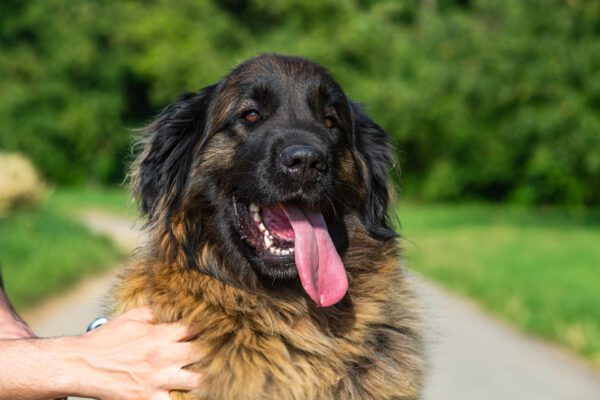
Leonbergers are gentle giants with steady temperaments and a devoted nature. They are affectionate family companions that enjoy staying close to their people. Their thick double coat and confident build make them striking dogs, and their calm presence makes them a great fit for patient owners who value a stable, friendly partner.
Research is essential before you adopt a Leonberger in Tennessee. This breed grows large and needs consistent training, space to relax, and thoughtful care. Adoption is often preferable to buying because you give a dog a second chance while receiving a companion that has already received veterinary care and a behavior assessment. Tennessee’s hot and humid summers can challenge a heavy-coated breed, so you must plan for shade, air conditioning, fresh water, and exercise during cooler hours. Winters are usually mild and comfortable for a Leonberger. The state’s rolling hills, lakes, and trails can offer great adventures with proper conditioning and safe handling.
Daily life in Tennessee can suit a Leonberger when you match activity to the weather and your dog’s fitness. A home with a fenced yard is helpful, though committed city or apartment adopters can succeed with structured walks and regular training. Consistent grooming is important because the breed sheds and can carry debris in its coat. If you prepare well, a Leonberger can thrive and bring warmth and balance to your household.
You can avoid searching rescues and shelters separately by starting with Dog Academy. You can browse current adoption listings for Leonbergers and large-breed mixes that match your lifestyle. You can also use Dog Academy guides and adoption checklists to understand each step with clarity.
Adoptable Leonbergers may appear through local animal shelters, regional rescues, breed-specific rescue groups, and foster-based networks. Availability changes week by week. Some organizations accept applications for transport, which is a service that rescues arrange to move dogs safely between locations using volunteers or professional carriers. Transport can expand your options when local supply is limited.
The process starts with browsing listings and reading profiles closely. You should look for information about age, energy level, size, health notes, and temperament. When you see a good match, you submit an application that explains your routine, your experience with large breeds, your home setup, and your plan for training. Many groups request landlord approval if you rent and veterinary references if you have owned pets.
Next comes a meet-and-greet, which can happen at a facility or with a foster caregiver. You should bring all household members when possible, and you should ask to assess calm greetings and leash manners. A home check often follows. Home checks can be in person or virtual, and they confirm safety gates, secure fencing, non-slip rugs for giant-breed joints, and space for a crate and resting area.
After approval, you sign an adoption contract and pay the fee. Many groups enroll your dog’s microchip and explain the return policy. Timelines vary by organization and can depend on reference checks, scheduling, and transport coordination. Many adopters complete the process within 1 to 3 weeks when paperwork and meetings move smoothly.

|
How Much Does It Cost to Adopt a Leonberger in Tennessee?In Tennessee, most adopters pay about $300 to $600 for an adult Leonberger. Puppies and high-demand young adults can range from $400 to $700. Fees can trend higher when a dog receives extensive medical care or arrives through organized transport. Rarity in the region can also affect pricing because demand may exceed the number of available dogs. Adoption fees usually include spaying or neutering, vaccinations, microchipping, and veterinary exams. Fees can also reflect heartworm testing, preventives, dental care, and training support. Costs shift with age, training history, medical care, and regional demand. You should ask for an itemized breakdown so you understand what your fee covers. |
How Should I Train a Leonberger?Leonbergers are intelligent, people focused, and eager to please. They respond best to calm leadership, clear boundaries, and positive reinforcement. You should reward desired choices with food, toys, or praise. Short daily sessions build reliable skills without overwhelming a sensitive giant breed. Common challenges include pulling on leash, jumping to greet, and slow response when distractions are high. Early socialization is vital. You should teach loose-leash walking, recall, settle on a mat, leave it, and drop it. You should also practice grooming handling for nails, ears, and coat so vet visits stay low stress. Crate training helps with safe travel and restful downtime. Consistency matters because a full-grown Leonberger is powerful, and polite manners protect both your dog and your community. You can build these foundations with Dog Academy’s online training courses. Courses cover puppy basics, leash skills, impulse control, and confidence building. Video lessons and step-by-step plans let you practice at home and progress at your own pace. Daily practice and patient guidance will help your Leonberger become a steady, respectful companion. |
|
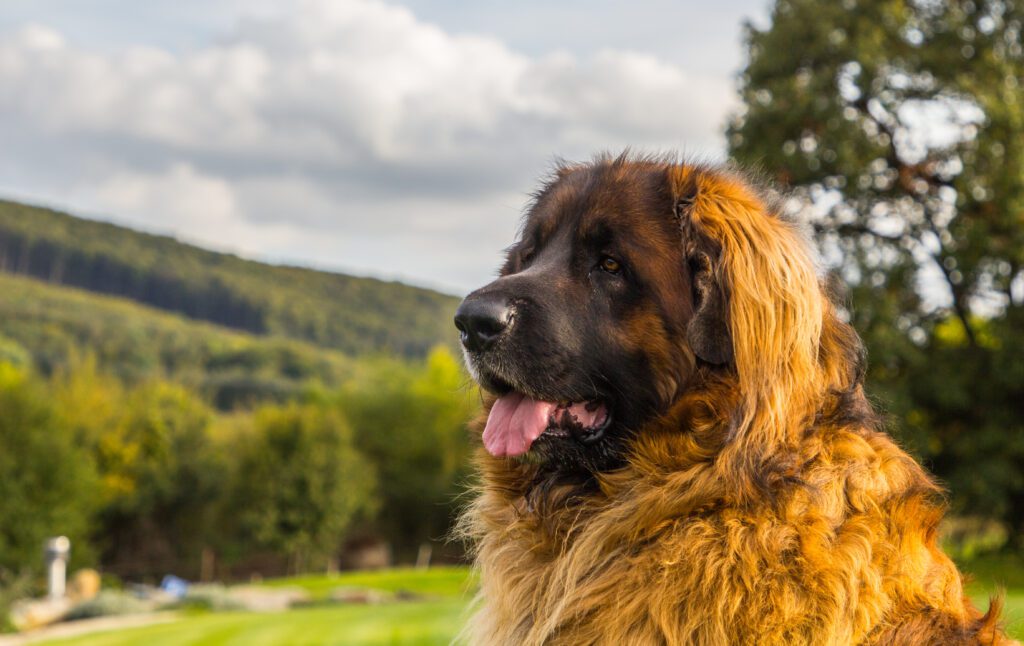
The ideal adopter has time for exercise, space for a large dog to relax, and a plan for grooming and training. A Leonberger fits best with owners who enjoy calm routines, thoughtful socialization, and regular outdoor time during cooler parts of the day. A budget for quality food and veterinary care is essential for a giant breed.
Preparation sets you up for success. Take your time, learn about the breed, and match your home to the dog in front of you. When you are ready, explore listings through Dog Academy, build your training plan, and welcome a gentle giant who will reward your patience with loyalty and love.

Introducing a new puppy to your current dog is often an exciting process, and many dogs will become fast friends and eas...
Read More
Rescue dogs can make great companions and can transform your home into something better. These dogs make great pets and ...
Read More
You should never rush to pet a dog. Even dog owners make the mistake of approaching unfamiliar dogs and petting them rig...
Read More
Puppy mill dogs are survivors who have endured extreme hardships in their lives. They have grown up in horrendous, unsan...
Read More
With their wagging tails and comforting presence, adopting a dog can add a unique touch to your life. It’s a heart...
Read More
Older dogs may have a few gray hairs around the edges, but that doesn’t mean they can’t make wonderful companions! T...
Read More