




























































































































































































Introducing a new puppy to your current dog is often an exciting process, and many dogs will become fast friends and eas...
Read MoreAdopt Me

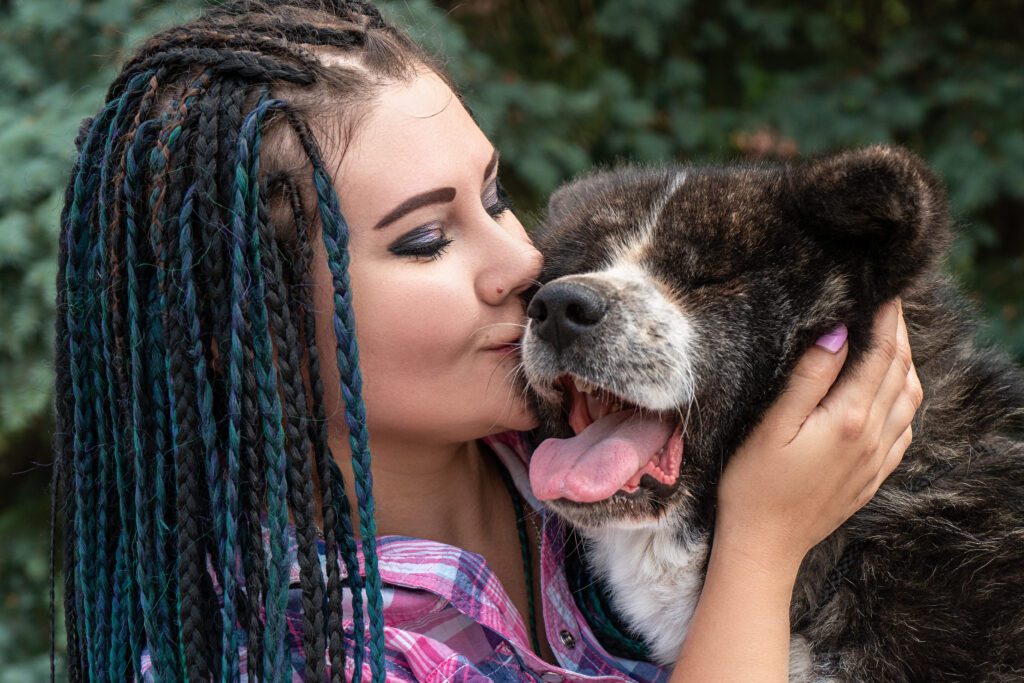
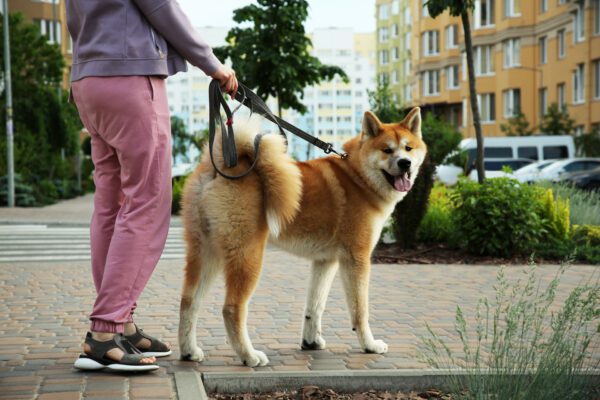
The Akita is a powerful, dignified companion known for loyalty, calm confidence, and quiet devotion to family. This breed is intelligent and independent, which makes training rewarding when handled with patience and consistency. Strong protective instincts and a thick double coat create unique needs that every prospective owner should understand before moving forward with adoption.
Thoughtful research helps you choose a dog whose temperament and energy match your lifestyle. Adoption is a meaningful choice because it gives a dog a second chance while providing you with transparency about health and behavior. Many adoptable Akitas are already spayed or neutered and receive core veterinary care before going home, which supports a smoother transition.
Tennessee offers both opportunities and challenges for an Akita. Summers are hot and humid across much of the state, and winters are mild in most regions, with cooler conditions in higher elevations. An Akita enjoys cool morning and evening walks, climate-controlled indoor time, and a shaded yard. The state’s trails and open spaces suit structured exercise, while secure fencing is important due to the breed’s prey drive. Apartment living can work if you commit to daily exercise, mental enrichment, and respectful management around other dogs.
You can skip searching rescues and shelters one by one by using Dog Academy to browse current adoption listings in one place. You can also explore local animal shelters, regional rescues, and breed-specific rescue groups that focus on evaluating temperament and matching dogs with suitable homes. Dog Academy offers clear educational guides and checklists that help you prepare for every step.
Start by browsing listings and reading each bio in full. Listings usually describe age, size, temperament, and any special needs. When you find a good match, submit an application that includes personal information, references, proof of landlord approval when you rent, and details about your household and schedule. Application review times vary, but most adopters receive an initial response within 2 to 7 days.
Next come meet-and-greets and interviews. Many groups arrange a meeting at a neutral location or a foster home. If you have resident pets, a careful introduction may be required to ensure safety. Some organizations conduct home checks either in person or through a virtual visit to confirm secure fencing, safe storage of medications and cleaners, and a suitable setup for a large dog. After approval, you sign an adoption contract, pay the fee, and schedule pickup. Some groups offer foster-to-adopt programs that allow a trial period, which lets everyone assess fit with support.
Akitas are not common in every shelter, so some groups coordinate transport to move dogs between locations when a strong match is found. Transport is often arranged by rescues to move dogs between states using trusted volunteer drivers or licensed carriers, and adopters receive clear instructions about timing and pickup.
|
How Much Does It Cost to Adopt a Akita in Tennessee?In Tennessee, adoption fees for an Akita typically range from $200 to $450 for adults, $300 to $600 for puppies, and $100 to $250 for seniors. Fees usually include spaying or neutering, vaccinations, microchipping, and veterinary exams, which helps offset the cost of high-quality care before adoption. Costs vary with age, prior training, and medical care. Puppies often cost more due to demand and pediatric care. Adults with completed obedience or house training may fall in the mid range. Seniors cost less but may include recent dental work or blood panels. Medical needs such as treatment for skin issues or heartworms can raise the fee. Location and length of stay can also influence pricing, since longer care requires more resources. |
How Should I Train a Akita?The Akita is bright and capable, yet independent, which means training must be clear, calm, and consistent. Positive reinforcement builds trust and keeps this thoughtful breed engaged. Use short sessions, reward good choices quickly, and practice daily life skills like settling on a mat, loose-leash walking, and a reliable recall. Early and ongoing socialization is essential because many Akitas are reserved with strangers and selective with other dogs. Focus on neutral exposure rather than forced interaction. Teach impulse control through cues like sit, wait, and leave it. Address common challenges such as pulling, jumping, and guarding by reinforcing alternative behaviors and managing the environment. A crate can provide a safe resting space, while structured exercise and puzzle feeders help prevent boredom. For step-by-step guidance that fits your schedule, explore Dog Academy’s online training courses, which cover obedience foundations, leash skills, confidence-building, and behavior support tailored for strong, independent breeds. |

|
The ideal Akita owner is calm, consistent, and ready to guide a large guardian breed with clear rules and kind leadership. A secure yard, a predictable routine, and time for daily training set the foundation for success. Preparation matters, from heat management in Tennessee summers to regular grooming for heavy shedding seasons.
Move at a thoughtful pace, ask detailed questions, and meet more than one dog if needed. When you feel ready, use Dog Academy to streamline your search, follow a practical checklist, and enter adoption prepared. With patience and planning, you can adopt a Akita in Tennessee and welcome a loyal companion who thrives by your side.

Introducing a new puppy to your current dog is often an exciting process, and many dogs will become fast friends and eas...
Read More
Rescue dogs can make great companions and can transform your home into something better. These dogs make great pets and ...
Read More
You should never rush to pet a dog. Even dog owners make the mistake of approaching unfamiliar dogs and petting them rig...
Read More
Puppy mill dogs are survivors who have endured extreme hardships in their lives. They have grown up in horrendous, unsan...
Read More
With their wagging tails and comforting presence, adopting a dog can add a unique touch to your life. It’s a heart...
Read More
Older dogs may have a few gray hairs around the edges, but that doesn’t mean they can’t make wonderful companions! T...
Read More