




























































































































































































Introducing a new puppy to your current dog is often an exciting process, and many dogs will become fast friends and eas...
Read MoreAdopt Me

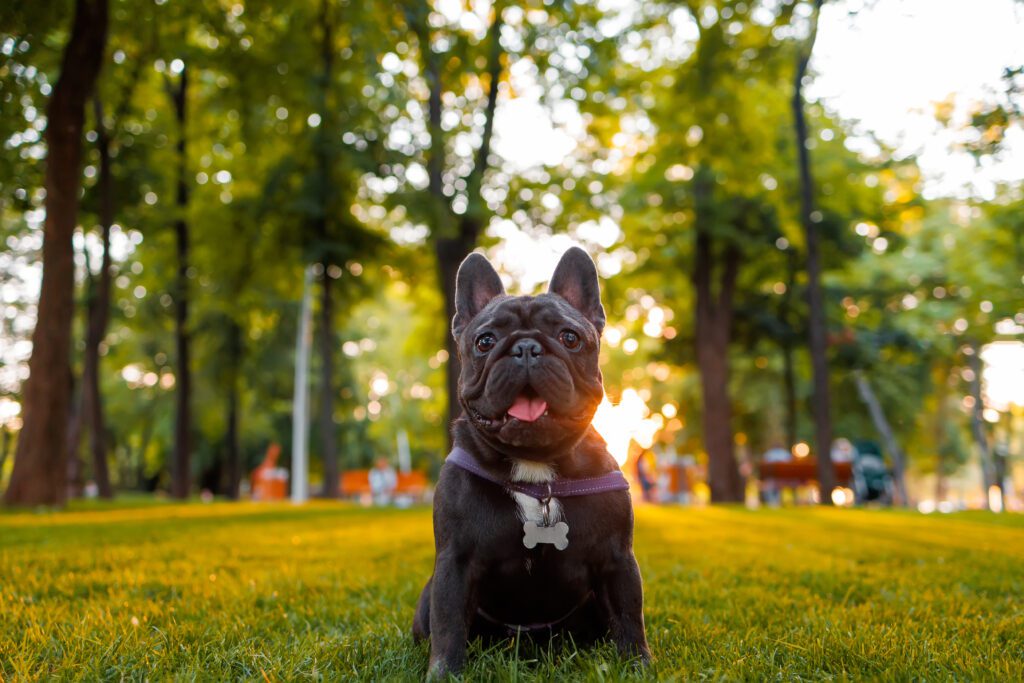


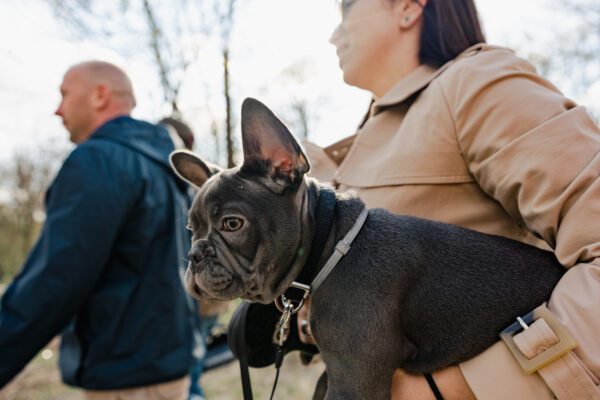
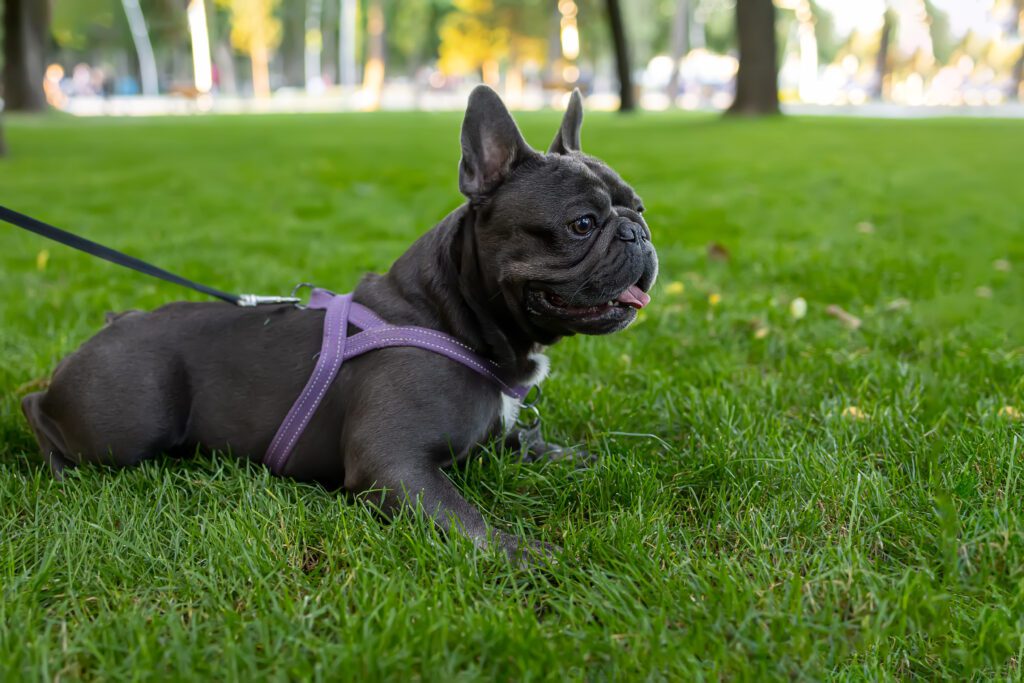
A Blue French Bulldog is a compact, affectionate companion with a calm nature and a bright personality. The blue coat is a dilute gray that draws attention, yet the breed’s real appeal is a gentle demeanor and close bond with people. This breed needs moderate activity, a climate-controlled home, and careful management of heat and humidity due to its short muzzle.
Thoughtful research before adoption protects both you and the dog. Learn about brachycephalic breathing needs, possible skin sensitivities linked to dilute coats, and the lifelong costs of veterinary care and training. Adoption gives a deserving dog a second chance and helps reduce overcrowding in shelters and rescues. Many adopted dogs arrive with basic manners and are eager to settle into a stable routine.
Tennessee offers a good match for this breed when owners plan for the climate and geography. Summers are hot and humid, so air conditioning, shaded walks, and plenty of water are essential. Winters are usually mild, which supports comfortable short outings. Urban apartments and suburban homes can both work well, since Blue French Bulldogs thrive on indoor time, short daily walks, and relaxed play rather than long hikes on steep trails.
You can avoid searching rescues and shelters separately by using Dog Academy to browse up-to-date adoption listings across Tennessee. You can also check local animal shelters, regional rescues, and breed-specific rescue groups that place French Bulldogs through foster-based programs. Listings may describe blue coats as gray or steel, so search using a few color terms to catch every match. Dog Academy also provides educational guides and adoption checklists that help you prepare with confidence.
The process starts with browsing listings and reading each bio in full. Look for notes about temperament, energy level, medical needs, and compatibility with children or other pets. When you find a match, you complete an application that usually requests photo identification, proof of residence, landlord approval if you rent, and veterinary references if you have current or past pets. Many groups schedule a phone interview to confirm fit and to answer your questions.
Next comes a meet-and-greet, which can take place at an adoption center, at a foster home, or in a neutral public space. Foster caregivers are volunteers who care for dogs in their homes and can share helpful insights about routines and quirks. Home checks are common and can be virtual or in person to confirm safe containment, secure storage of hazards, and reliable climate control. Approval timelines often run 1 to 3 weeks, depending on your responsiveness, the dog’s needs, and volunteer availability.
If the right dog is outside your immediate area, rescues may arrange transport between locations. Transport is often arranged by rescues to move dogs between states or regions using networks of volunteer drivers or licensed carriers. Coordinators plan routes, confirm health certificates when required, and schedule handoffs. Ground travel is usually preferred for brachycephalic breeds, and adopters may pay a separate transport fee to cover fuel and logistics.

|
How Much Does It Cost to Adopt a Blue French Bulldog in Tennessee?Most adopters in Tennessee pay $500 to $900 to adopt a Blue French Bulldog. The fee reflects age, medical history, training, and local demand. Young adults and puppies often land at the top of the range, while seniors may be closer to the lower end. Dogs that received airway or palate procedures, dental work, dermatology treatment, or heartworm care may carry higher fees because the rescue has invested in medical rehabilitation. Adoption fees usually include spaying or neutering, vaccinations, microchipping, and veterinary exams. Many groups also include heartworm testing and parasite prevention. If transport is used, budget an additional $50 to $200 based on distance and the number of legs in the route. Ask for an itemized list of what the fee covers so you can plan your first month with clarity. |
How Should I Train a Blue French Bulldog?Blue French Bulldogs are intelligent, people focused, and highly food motivated. They learn quickly when sessions stay short, upbeat, and consistent. Use positive reinforcement with small treats and warm praise to teach name recognition, recall, and polite leash walking. Always protect breathing by training in cool conditions, offering rest breaks, and avoiding intense exercise during hot or humid hours. House training improves with a predictable schedule and frequent outdoor breaks. Crate training builds a safe place for rest and helps prevent accidents. Socialize with calm dogs and friendly people to build confidence without overwhelming the dog. Many Blue French Bulldogs prefer company and can develop separation anxiety, so practice gradual alone time to build independence. For step-by-step guidance, enroll in Dog Academy’s online training courses, which cover foundations, manners, and problem-solving tailored to companion dogs. |
|
The ideal adopter in Tennessee keeps a cool home, enjoys short daily walks, and wants a close companion who relaxes indoors. A yard is helpful but not required, since this breed thrives on structured potty breaks, brief play, and plenty of cuddle time.
Give yourself time to research, prepare your budget, and choose a veterinarian who understands brachycephalic care. Gather essential supplies, plan a safe routine, and lean on trusted resources. Start your search with Dog Academy, take your time with each step, and adopt the Blue French Bulldog that fits your life for many years to come.

Introducing a new puppy to your current dog is often an exciting process, and many dogs will become fast friends and eas...
Read More
Rescue dogs can make great companions and can transform your home into something better. These dogs make great pets and ...
Read More
You should never rush to pet a dog. Even dog owners make the mistake of approaching unfamiliar dogs and petting them rig...
Read More
Puppy mill dogs are survivors who have endured extreme hardships in their lives. They have grown up in horrendous, unsan...
Read More
With their wagging tails and comforting presence, adopting a dog can add a unique touch to your life. It’s a heart...
Read More
Older dogs may have a few gray hairs around the edges, but that doesn’t mean they can’t make wonderful companions! T...
Read More