




























































































































































































Introducing a new puppy to your current dog is often an exciting process, and many dogs will become fast friends and eas...
Read MoreAdopt Me

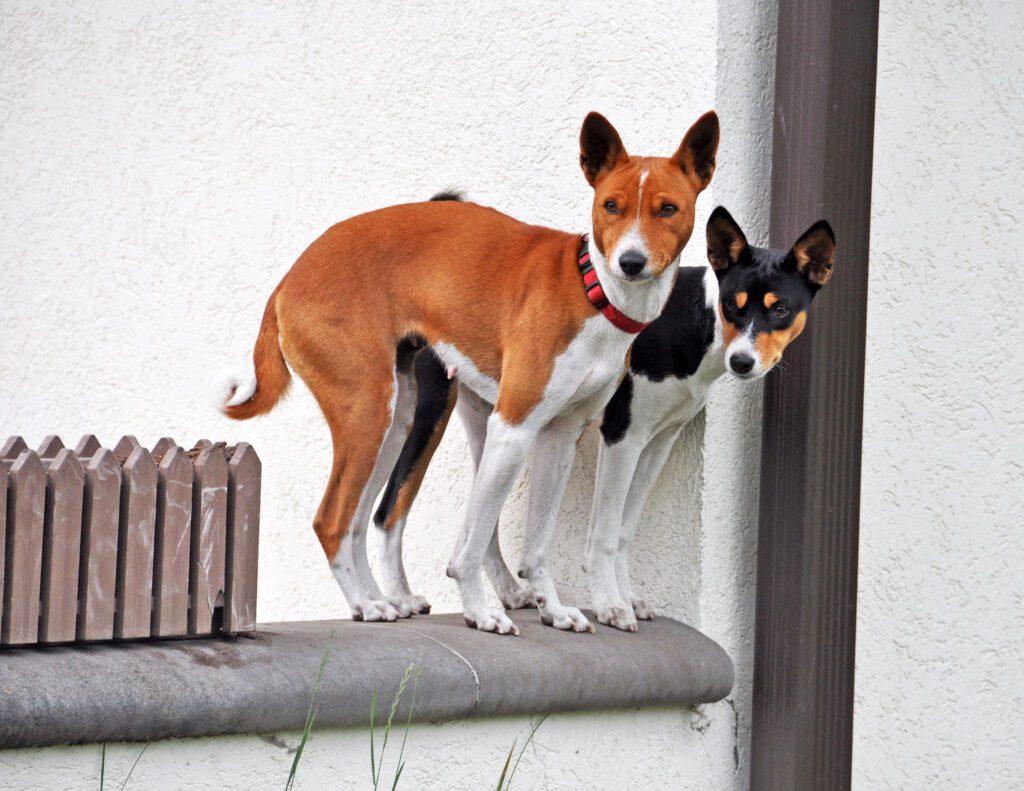
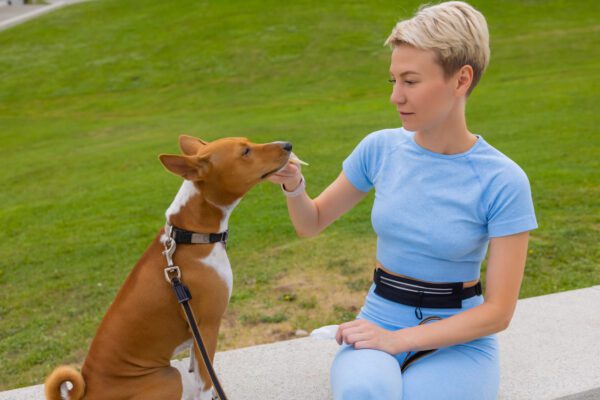
The Basenji is a compact, athletic dog with a quiet voice and a lively mind. Many people love this breed for its clean habits, low shedding coat, and catlike curiosity. Basenjis bond closely with their families and stay alert to everything around them. They are affectionate at home and reserved with strangers, which suits adopters who value a calm companion with an independent streak.
Thoughtful research matters before you bring a Basenji home. This breed has a strong prey drive and a talent for problem solving, which can become mischief without structure. Adoption offers a humane path that helps a dog in need and supports your local community. Many adoptable Basenjis arrive with helpful background notes from fosters, which can guide a smart match between dog and household.
Tennessee offers great opportunities for active owners who like hikes, runs, and neighborhood walks. The state’s humid summers require careful heat management with shade, water, and cooler outings at dawn or dusk. Winters are generally mild, yet cold snaps happen and the Basenji’s short coat benefits from a warm layer during chilly walks. From the hills and forests in the east to urban apartments in the larger cities, Tennessee’s geography rewards consistent exercise, secure fencing, and vigilant leash use around wildlife. Year-round tick prevention and regular grooming keep a Basenji comfortable and healthy across the state.
You can skip searching rescues and shelters one by one by using Dog Academy’s adoption listings. Visit Dog Academy to browse available Basenjis, track new arrivals, and access clear educational guides and adoption checklists. This single hub saves time and keeps your search organized from first look to final approval.
You can also find adoptable Basenjis through local animal shelters, regional rescues, and breed-specific rescue groups. Many networks rely on foster homes that share detailed notes about behavior, energy level, social needs, and house manners. Read each profile closely and ask about exercise requirements, tolerance for children or other pets, and any known medical history. Understanding this breed’s needs helps you set fair expectations and build a stable routine.
The typical process starts with browsing listings and submitting an application. Most groups request personal references, proof of housing, and a veterinary contact if you have current pets. After a review, you may complete a phone interview that confirms your schedule, training plan, and home setup. Meet-and-greets follow at a neutral location or in a foster home. Families often include resident dogs to test compatibility. Many organizations complete a home check, which can be in person or virtual, to confirm safe fencing, secure doors, and hazard-free areas. Approval timelines vary by group, yet many adopters move from application to decision in 1 to 3 weeks, depending on responsiveness and scheduling.
If your best match lives outside your immediate area, ask about transport options. Many rescues arrange transport between locations, which means volunteers or licensed transporters move dogs along planned routes to approved adopters. You may meet at a central hub and pay a modest transport fee to cover fuel and care during the trip. Reputable groups share schedules in advance and keep you updated until your dog arrives.

|
How Much Does It Cost to Adopt a Basenji in Tennessee?Most adopters in Tennessee can expect a Basenji adoption fee in the range of $150 to $450. Fees tend to be lower at municipal shelters and higher at breed-focused or foster-based rescues that provide extensive medical care and support. Age, training, medical needs, and local demand affect final pricing. Puppies and young adults often cost more, while seniors or special-needs dogs may cost less to encourage placement. Adoption fees usually include spaying or neutering, vaccinations, microchipping, and veterinary exams. Some groups also provide heartworm testing, deworming, and a starter supply of preventatives. Ask for an itemized list so you understand exactly what is covered and what you may need to schedule with your veterinarian after adoption. |
How Should I Train a Basenji?Basenjis are bright, observant, and independent. They learn quickly when training feels like a game and when rewards arrive fast. Keep sessions short, use high-value treats, and reinforce calm choices such as settling on a mat or checking in on walks. Focus early on crate training, loose-leash walking, and polite greetings. Manage the strong prey drive with a secure yard and a long line for practice. Build recall with generous rewards in low-distraction areas before you attempt it around wildlife. Consistency and patience matter with this breed. Prevent boredom with scent work, puzzle feeders, and short skill sprints spread through the day. If you want a clear plan with step-by-step lessons, try Dog Academy’s online training courses. You can follow structured modules for basic manners, leash skills, impulse control, and recall while training at home on your schedule. |
|
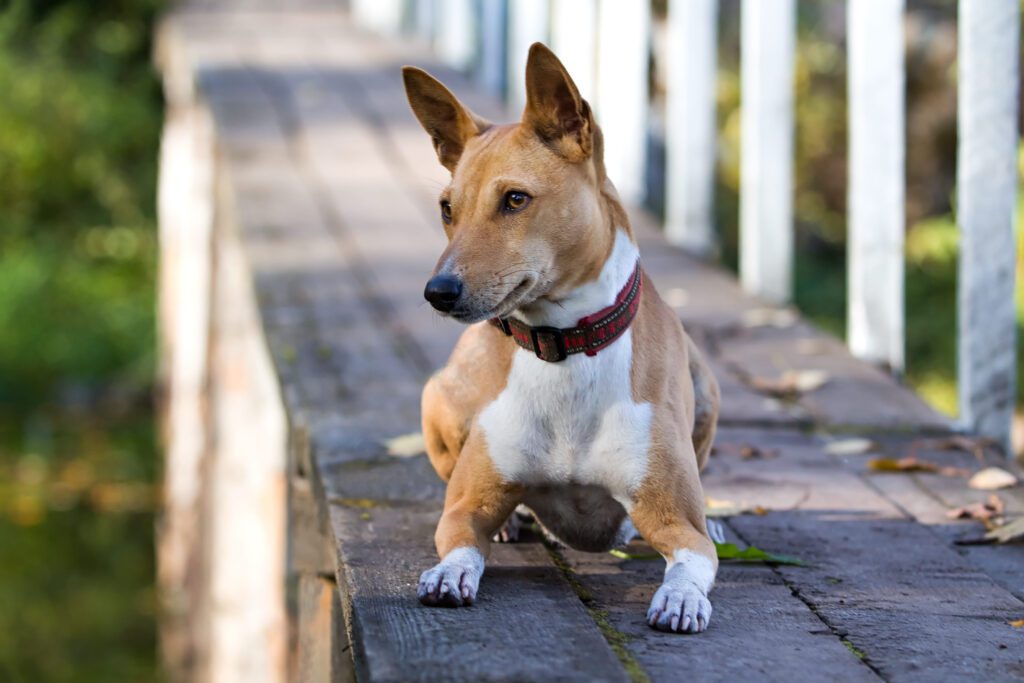
The ideal Basenji adopter enjoys daily activity, patient training, and a tidy home. A secure yard, a reliable leash plan, and time for mental enrichment set this breed up for success. Families who value a clean, low-shedding companion and who respect an independent nature often thrive with a Basenji.
Prepare your home, learn the breed’s needs, and take your time to choose the right match. Use organized listings and practical guidance to make confident decisions. With care and consistency, your Tennessee Basenji can become a loyal partner for years to come.

Introducing a new puppy to your current dog is often an exciting process, and many dogs will become fast friends and eas...
Read More
Rescue dogs can make great companions and can transform your home into something better. These dogs make great pets and ...
Read More
You should never rush to pet a dog. Even dog owners make the mistake of approaching unfamiliar dogs and petting them rig...
Read More
Puppy mill dogs are survivors who have endured extreme hardships in their lives. They have grown up in horrendous, unsan...
Read More
With their wagging tails and comforting presence, adopting a dog can add a unique touch to your life. It’s a heart...
Read More
Older dogs may have a few gray hairs around the edges, but that doesn’t mean they can’t make wonderful companions! T...
Read More