




























































































































































































Introducing a new puppy to your current dog is often an exciting process, and many dogs will become fast friends and eas...
Read MoreAdopt Me

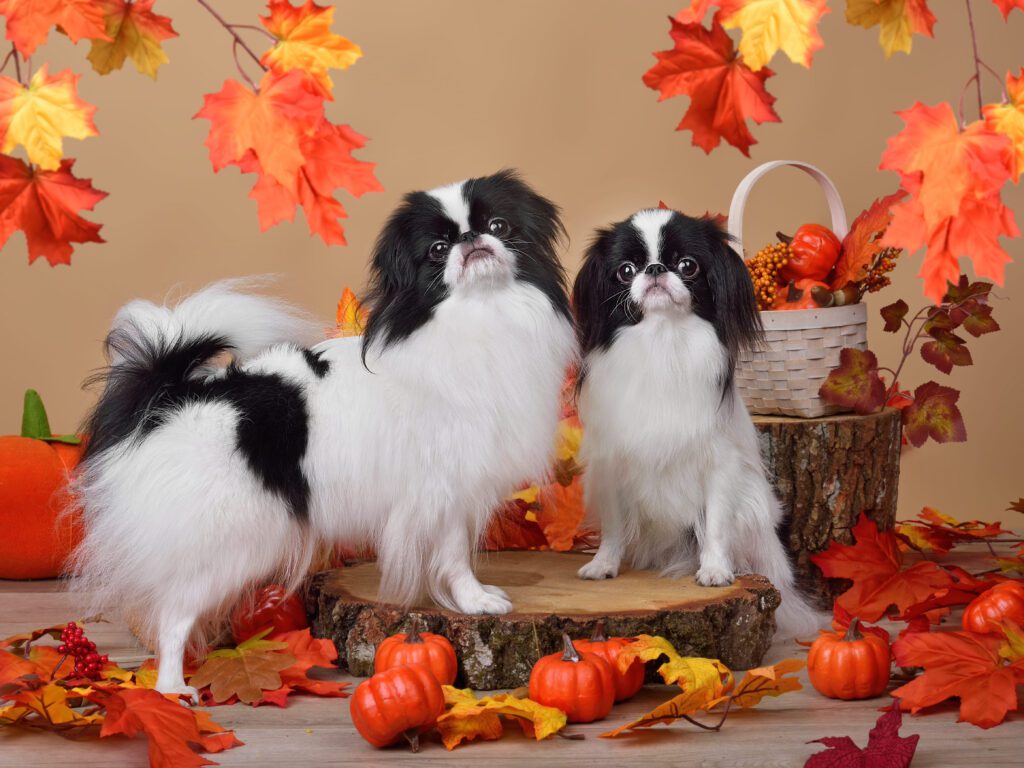

The Japanese Chin is a gentle, affectionate companion that thrives on close human connection. This toy breed is known for a silky coat, expressive eyes, and a charming, cat-like grace. A Japanese Chin enjoys moderate activity, quiet cuddle time, and polite greetings rather than rough play. Careful research helps every adopter understand grooming needs, health considerations, and daily routines before bringing home a new family member.
Adoption gives a dog a second chance and gives you a head start with known history and support. Adopting rather than buying reduces demand for irresponsible breeding and helps local communities. A Japanese Chin can be an ideal choice for many Tennessee households because the breed does not require intense exercise and often does well in apartments, condos, or suburban homes.
Tennessee’s humid summers and mild winters call for attentive care. A Japanese Chin is sensitive to heat because of a short muzzle and a dense coat, so air-conditioning, shaded walks, and cool indoor spaces are important during summer. Gentle walks during cooler morning or evening hours suit this small companion. Urban neighborhoods, college towns, and quiet rural communities across Tennessee can all fit this breed when owners provide climate control, supervision outdoors, and safe indoor enrichment.
You can avoid searching shelters and rescues one by one by using adoption listings through Dog Academy. You can browse available Japanese Chins, filter by location, and save time. You can also use Dog Academy checklists and guides to prepare your home, plan a first week schedule, and understand breed-specific needs before you apply.
You can find adoptable Japanese Chins through local animal shelters, regional rescues, and breed-specific rescue groups. Foster-based networks often post detailed notes about temperament, energy level, and any medical needs. Some organizations list dogs across multiple cities, and transport is often arranged by rescues to move dogs between locations using volunteer drivers or professional services, with adopters informed of logistics and any transport fee before approval.
The process usually starts with browsing listings, reading bios, and submitting an application. Applications ask about your home, schedule, veterinary history, and training approach. Many groups request landlord approval for renters and contact personal references. Meet-and-greets often occur at a facility or a foster home, and some groups start with a virtual introduction to confirm interest before an in-person visit.
Home checks help ensure safety for small dogs that can slip through fences or be injured by hazards. Approval timelines vary by group, staffing, and your responsiveness. Most adopters in Tennessee can expect 1 to 3 weeks from application to adoption when communication is prompt and scheduling is flexible. Clear answers, proof of residency, and readiness with supplies help speed the process.

|
How Much Does It Cost to Adopt a Japanese Chin in Tennessee?Most adopters in Tennessee pay about $200 to $400 to adopt an adult Japanese Chin, with puppies often ranging from $300 to $550 due to higher demand and recent veterinary care. Fees in Tennessee tend to be moderate because operating costs are lower than in many large metro areas, yet costs can rise when a dog receives specialized treatment or behavioral support. Adoption fees typically include spaying or neutering, vaccinations, microchipping, and veterinary exams. Fees may also reflect age, training, and medical care. Seniors or bonded pairs may be discounted when groups aim to shorten time to placement. Puppies usually cost more because they need boosters, parasite prevention, and frequent exams. Dogs with completed training or recent dental work may be priced higher because those services increase value and reduce immediate expenses for the adopter. |
How Should I Train a Japanese Chin?The Japanese Chin is intelligent, observant, and responsive to gentle guidance. This breed likes to please but can be sensitive, so positive reinforcement works best. Reward calm behavior with soft treats and praise, and keep sessions short and upbeat. Consistency builds confidence and helps a small dog feel secure in new environments. Common challenges include house training, alert barking, and handling for grooming. You can prevent setbacks by establishing a strict potty schedule, using an indoor confinement area, and rewarding every success. You can reduce barking by teaching a quiet cue and by meeting daily mental needs with puzzle feeders and easy scent games. Regular handling of paws, ears, and coat from day one prepares a Japanese Chin for nail trims and brushing. For structured guidance, you can use Dog Academy’s online training courses. Step-by-step lessons show you how to teach polite walking, reliable recalls, and calm greetings. You can build manners with short daily practice, and you can adapt each lesson to a toy breed’s size and energy level to keep learning safe and fun. |
|
The ideal adopter enjoys quiet companionship, provides daily brushing, and keeps a climate-controlled home. Families with gentle children, retirees who spend time at home, and city dwellers who value short walks and indoor play often find a perfect match with this breed. Preparation matters for a small dog that relies on routine and careful supervision.
Take time to learn, gather supplies, and set realistic expectations. Review adoption checklists, speak openly with coordinators, and match the dog’s needs to your lifestyle. When you move at a thoughtful pace, you give a Japanese Chin in Tennessee the stable and loving home this loyal companion deserves.

Introducing a new puppy to your current dog is often an exciting process, and many dogs will become fast friends and eas...
Read More
Rescue dogs can make great companions and can transform your home into something better. These dogs make great pets and ...
Read More
You should never rush to pet a dog. Even dog owners make the mistake of approaching unfamiliar dogs and petting them rig...
Read More
Puppy mill dogs are survivors who have endured extreme hardships in their lives. They have grown up in horrendous, unsan...
Read More
With their wagging tails and comforting presence, adopting a dog can add a unique touch to your life. It’s a heart...
Read More
Older dogs may have a few gray hairs around the edges, but that doesn’t mean they can’t make wonderful companions! T...
Read More