





































































































































































Introducing a new puppy to your current dog is often an exciting process, and many dogs will become fast friends and eas...
Read MoreAdopt Me
Habanero
Morton Grove, IL
Breed: Nova Scotia Duck-Tolling Retriever
Sex: Female
Age: 11 mos




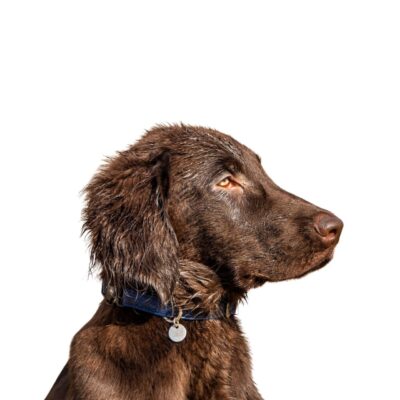
The Nova Scotia Duck Tolling Retriever is a lively, medium-size retriever known for sharp intelligence, tireless play, and a joyful love of fetching. Tollers are affectionate with their families, quick to learn, and eager to work. They thrive with active people who enjoy training games, hikes, and regular mental challenges. Their weather-resistant double coat sheds through the year and more heavily during seasonal changes, so routine grooming is important.
Thoughtful research sets you and your dog up for success. Adoption gives you a chance to match energy level, temperament, and lifestyle while supporting a dog in need. In New Mexico, the high desert climate brings strong sun, low humidity, and wide temperature swings. Tollers handle varied terrain and cool mornings well, but they can overheat quickly in summer. Plan exercise during early or late hours, carry water, and provide shade and rest. City life works with daily walks and enrichment. Rural life offers room to roam, yet secure containment and reliable recall training remain essential.
You can avoid searching shelters and rescues one by one by starting with Dog Academy. The listings help you browse available dogs from local animal shelters, regional rescues, and breed-specific rescue groups in one place. You can also look at foster networks, which are volunteers who house dogs temporarily and share detailed notes about behavior in a home setting. Read each profile carefully, focus on energy level, training history, and medical notes, and confirm that the dog’s needs align with your routine.
When a dog looks like a match, submit an application through the listing. Applications usually ask about your schedule, experience with dogs, home setup, and plans for training and care. Many groups request landlord permission if you rent and veterinary references if you have current pets. An adoption counselor reviews your application, answers questions, and explains next steps. Timelines vary, yet most reviews in New Mexico move from application to approval in roughly 3 to 14 days, depending on scheduling and responsiveness.
Next comes a meet-and-greet, which often takes place at a shelter, a foster home, or a neutral public space. Bring all household members and any resident dogs so the group can assess compatibility. Many groups conduct a home check, which can be in person or virtual, to confirm safety, exits, and containment. They look for secure fencing or a plan for leash management, a safe area for rest, and a clear strategy for exercise in New Mexico’s heat. Some organizations offer a brief trial period to ensure the fit is right, then finalize the adoption once everyone is confident.
If the right dog is located outside your immediate area, ask about transport options. Rescues often arrange transport between locations using volunteer drivers or trusted carriers. Transport is scheduled after veterinary checks and confirmation of the adoption, and a small transport contribution may be requested to cover fuel and logistics. Clear communication about pickup timing, required paperwork, and handoff location keeps the process smooth.

|
How Much Does It Cost to Adopt a Nova Scotia Duck Tolling Retriever in New Mexico?In New Mexico, expect to pay $300 to $600 to adopt a Nova Scotia Duck Tolling Retriever through a breed-focused rescue. Fees at municipal shelters for a Toller or a close mix often land between $100 and $250. Rarity in the region, age, training, and medical care influence the final amount. Most groups include spaying or neutering, vaccinations, microchipping, and veterinary exams. Costs can be higher if the dog received dental treatment, heartworm care, or professional training support. Puppies and highly trained adults usually sit at the top of the range. Some groups request a modest transport contribution between $50 and $150 if they arrange travel into New Mexico. |
How Should I Train a Nova Scotia Duck Tolling Retriever?Tollers are bright, motivated, and sensitive, which makes them very trainable with the right approach. Use positive reinforcement, clear structure, and short, upbeat sessions. Focus on impulse control around doorways, toys, and wildlife. Teach a reliable recall, a settle on a mat, polite greetings, and loose-leash walking. Consistent cues and generous rewards help this thoughtful breed stay engaged and confident. Daily mental enrichment keeps a Toller balanced in New Mexico’s climate. Try scent games, puzzle feeders, and retrieve drills in short sets during cool morning or evening hours. Add shaded rest breaks and water to prevent overheating. Early and thoughtful socialization reduces the chance of vocal frustration and reactivity. For step-by-step help, explore Dog Academy’s online training courses, which provide video lessons, practice plans, and trainer-backed guidance you can use at home. |

|
A Nova Scotia Duck Tolling Retriever suits an active person or family that enjoys daily training, outdoor adventures, and meaningful time together. Plan for 60 to 90 minutes of exercise, regular brushing, and ongoing manners work. Prepare your home, gather supplies, and line up a training plan before adoption day. Take your time, ask detailed questions, and choose a dog whose energy and temperament fit your life. With careful preparation and steady support, you can adopt a Nova Scotia Duck Tolling Retriever in New Mexico and welcome a smart, enthusiastic companion.

Introducing a new puppy to your current dog is often an exciting process, and many dogs will become fast friends and eas...
Read More
Rescue dogs can make great companions and can transform your home into something better. These dogs make great pets and ...
Read More
You should never rush to pet a dog. Even dog owners make the mistake of approaching unfamiliar dogs and petting them rig...
Read More
Puppy mill dogs are survivors who have endured extreme hardships in their lives. They have grown up in horrendous, unsan...
Read More
With their wagging tails and comforting presence, adopting a dog can add a unique touch to your life. It’s a heart...
Read More
Older dogs may have a few gray hairs around the edges, but that doesn’t mean they can’t make wonderful companions! T...
Read More