



























































































































































































Introducing a new puppy to your current dog is often an exciting process, and many dogs will become fast friends and eas...
Read MoreAdopt Me

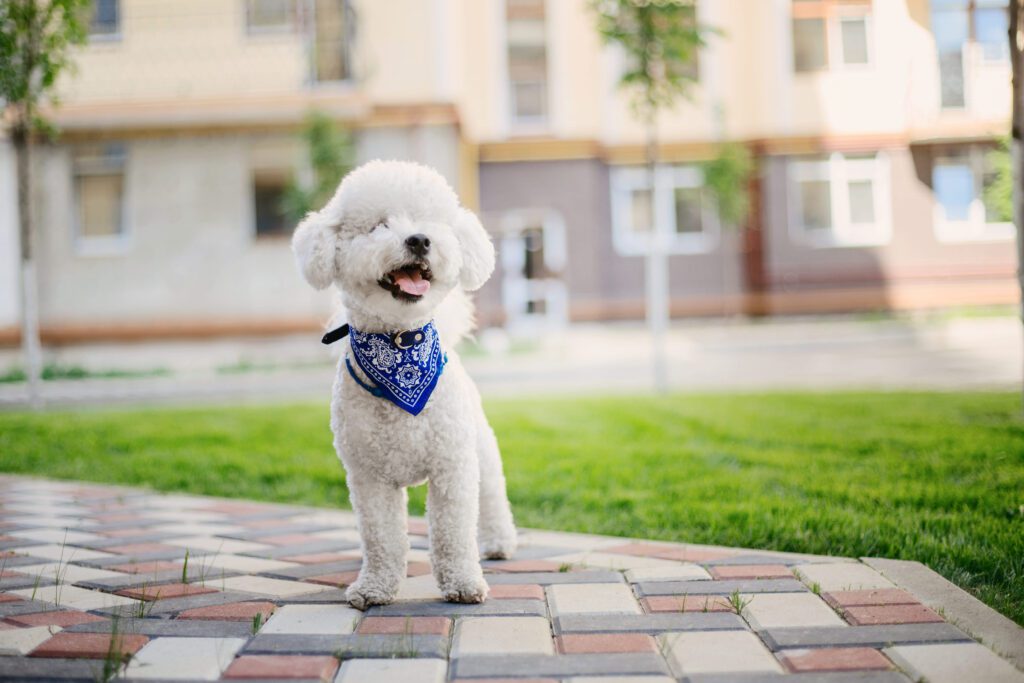

A Bichon Frise is a cheerful, people-focused companion that thrives on affection and routine. This small, low-shedding breed is known for a soft white coat, bright eyes, and a playful spirit that makes daily life feel lighter. A Bichon enjoys gentle walks, fun training games, and lots of time with the family.
Thoughtful research helps ensure a good match before you adopt a Bichon Frise in New Mexico. Adoption gives a deserving dog a fresh start and supports ethical placement, which often includes health care, basic training, and helpful post-adoption guidance. Choosing adoption also helps reduce demand for irresponsible breeding and keeps more dogs safe.
New Mexico offers sunny days, high desert air, and a mix of urban and rural settings. The dry climate suits a Bichon as long as you manage heat with shade, cool water, and mid-day rest. The fluffy coat insulates but can trap heat, so indoor living with air conditioning is ideal in summer. Dust and foxtails can irritate skin and eyes on desert trails, so routine grooming and careful walks are important. A Bichon adapts well to apartment life in cities and to quieter homes in small towns when daily exercise and companionship stay consistent.
You can skip searching shelters and rescues one by one by starting with adoption listings on Dog Academy. You can browse available dogs across New Mexico in one place, filter for a Bichon Frise, and read detailed profiles that explain age, temperament, and care needs. Dog Academy also publishes educational guides and adoption checklists that help you prepare your home and understand next steps.
Beyond centralized listings, you can look at local animal shelters, regional rescues, and breed-specific rescue groups that serve New Mexico. These groups typically post profiles that include history, health status, and compatibility with children or other pets. When you adopt a Bichon Frise in New Mexico, you should confirm grooming needs, energy level, and any medical updates related to skin, teeth, or knees, since small breeds can be prone to these issues.
The adoption process usually begins with browsing listings and submitting an online application that describes your home, schedule, and experience with dogs. A coordinator reviews your application, asks questions, and schedules a meet-and-greet if the match looks promising. Many groups set up a meet-and-greet at a facility or a foster home so you can see how the dog interacts with you and other household members. Some organizations conduct a virtual or in-person home check to verify safe fencing, secure doors, and a quiet recovery space for the first week.
Approval timelines vary by group and the dog’s needs. Straightforward applications often move within 1 to 2 weeks. Dogs with special medical or behavioral needs can take longer so that training plans and post-adoption support are in place. If the right Bichon is outside your immediate area, rescues sometimes arrange transport to move dogs between locations. Transport is a coordinated trip by volunteers or professional services that brings a dog safely from a foster home or shelter to your city, with regular rest stops and clear handoffs to keep stress low.
|
How Much Does It Cost to Adopt a Bichon Frise in New Mexico?Most adopters in New Mexico can expect to pay about $200 to $500 to adopt a Bichon Frise. Fees tend to land on the higher end for young adults in high demand and on the lower end for seniors or dogs with ongoing medical needs. This estimate reflects common small-breed pricing in the region and the cost of services provided before placement. Adoption fees often include spaying or neutering, vaccinations, microchipping, and veterinary exams. Costs can also shift based on age, training progress, recent dental care, and the overall demand for small hypoallergenic breeds. A dog that arrives with current dental work and professional grooming may have a higher fee because those services improve comfort and long-term health. |
How Should I Train a Bichon Frise?A Bichon Frise is bright, sensitive, and eager to please, which makes positive reinforcement highly effective. Short, upbeat sessions build confidence and keep focus high. Reward calm behavior at the door, polite greetings, and quiet settling on a mat so good manners become daily habits. House training can take extra patience with small breeds because small bladders need frequent breaks. A reliable schedule, crate training, and rewards for outdoor success create steady progress. Many Bichons also benefit from training that reduces alert barking and eases alone time. Start with low-intensity practice, reward quiet moments, and gradually increase duration. For step-by-step help, you can follow Dog Academy’s online training courses, which teach foundation skills, crate comfort, polite leash walking, and enrichment plans that keep a smart dog engaged. |
|
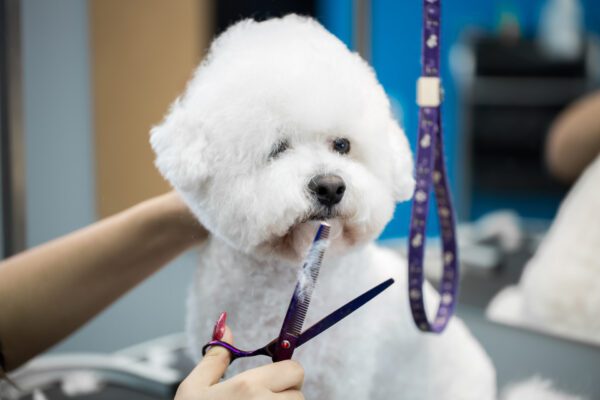
The ideal adopter enjoys daily companionship, offers gentle structure, and has time for brushing and professional grooming every 4 to 6 weeks. A Bichon fits well with families, retirees, or remote workers who can provide midday breaks, short walks, and play sessions.
Preparation sets up success. Plan for grooming costs, basic supplies, a veterinarian, and a clear training routine. Take your time to review profiles, ask detailed questions, and meet calmly more than once if needed. With patience and thoughtful research, you can adopt a Bichon Frise in New Mexico and welcome a loving, joyful partner into your life.

Introducing a new puppy to your current dog is often an exciting process, and many dogs will become fast friends and eas...
Read More
Rescue dogs can make great companions and can transform your home into something better. These dogs make great pets and ...
Read More
You should never rush to pet a dog. Even dog owners make the mistake of approaching unfamiliar dogs and petting them rig...
Read More
Puppy mill dogs are survivors who have endured extreme hardships in their lives. They have grown up in horrendous, unsan...
Read More
With their wagging tails and comforting presence, adopting a dog can add a unique touch to your life. It’s a heart...
Read More
Older dogs may have a few gray hairs around the edges, but that doesn’t mean they can’t make wonderful companions! T...
Read More