

























































































































































































Introducing a new puppy to your current dog is often an exciting process, and many dogs will become fast friends and eas...
Read More
How to Introduce a New Puppy to Your Dog
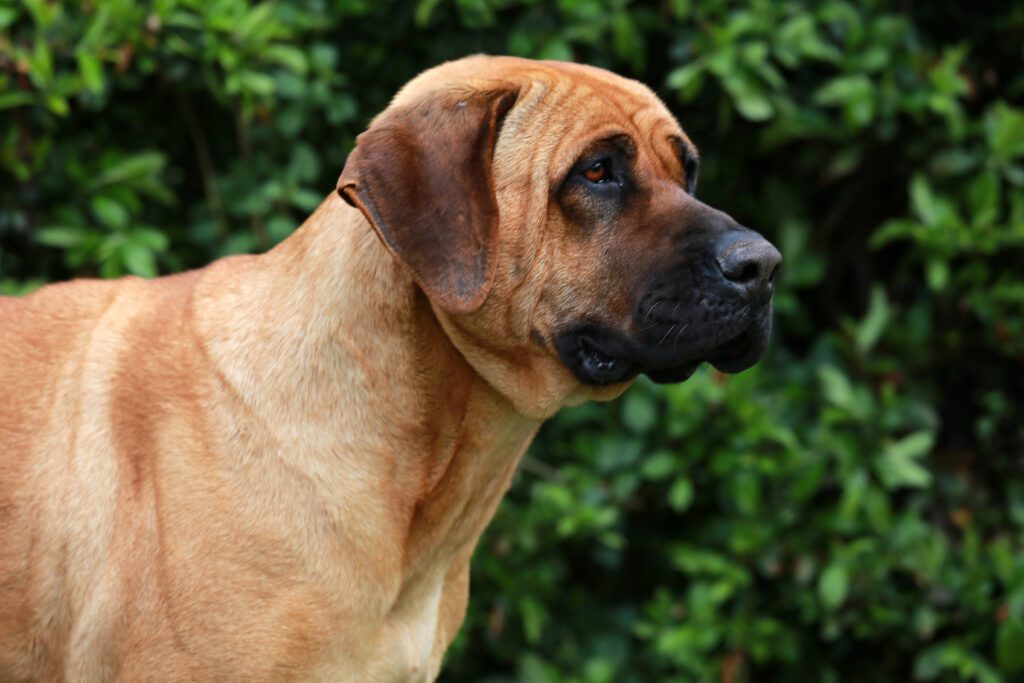
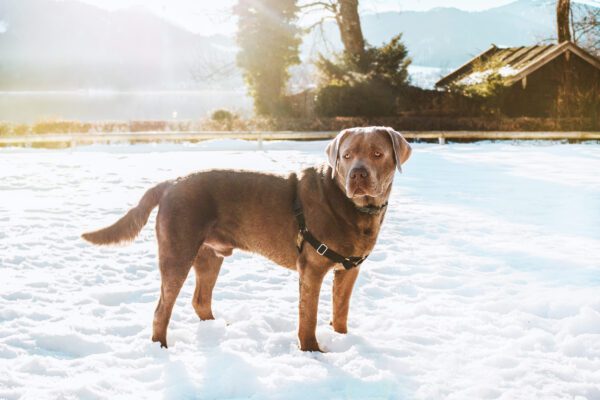
The Tosa Inu is calm, powerful, and deeply loyal. This breed is quiet in the home, thoughtful outdoors, and devoted to its family. A well-bred and well-socialized Tosa Inu shows steady confidence and gentle manners with trusted people. The breed’s strength and size call for a committed owner who understands boundaries, training, and careful introductions.
Research matters before you bring any dog home, and it matters even more with a rare guardian breed. Adoption helps a dog in need, supports responsible rescue work, and often includes valuable veterinary care. You gain history from fosters or shelter staff, which helps you choose the right match. Adopting a Tosa Inu gives you insight, support, and time to confirm fit, which is better than buying from an unknown source.
New Mexico’s high desert climate can challenge large dogs. Summers are hot and dry, and sun exposure is intense at higher elevations. The Tosa Inu needs shade, cool rest areas, and steady hydration during warm months. Early morning walks and evening exercise help protect joints and avoid heat stress. Winters can bring cold nights in mountain regions, so a Tosa Inu needs a warm indoor space. The state’s open geography offers room to roam, yet secure fencing and controlled outings are essential. City living can work with daily training and structured exercise, and rural life suits the breed if the property uses strong fencing and reliable supervision.
You can skip searching shelters and rescues one by one by using Dog Academy. Browse adoptable dogs in one place, set alerts, and refine your search for a Tosa Inu in New Mexico and nearby regions. Dog Academy also offers educational guides and adoption checklists that help you prepare your home, plan introductions, and budget for the first months.
Start locally with animal shelters, regional rescues, and breed-specific rescue groups. The Tosa Inu is rare, so you may need to expand your search to neighboring states. Many rescues use foster-based networks that share detailed notes on temperament, house manners, and training progress. When distance is a hurdle, some rescues arrange transport to move dogs between locations. Transport is typically coordinated by volunteers or professional services that plan safe routes, verify health paperwork, and schedule rest breaks.
Begin by browsing listings. Read each bio closely and look for clear notes on behavior, energy level, and medical history. Ask direct questions about handling, dog-to-dog tolerance, and leash skills. When you find a match, submit an application that includes personal references, landlord approval when you rent, and a veterinary reference when you have past pets. A coordinator reviews your application, schedules a call, and confirms your expectations and lifestyle.
Next comes a meet-and-greet. Bring every household member and plan a slow introduction with any resident dog. Expect a home check, which may happen in person or virtually. This step confirms secure fencing, safe storage for medications, and a stable setup for crate rest and decompression. Approval timelines vary, yet most adoptions move from application to decision within 1 to 3 weeks when communication is prompt. Some groups offer foster to adopt, which lets you confirm fit while support continues.
Understanding the breed’s needs will strengthen your application. The Tosa Inu is large, athletic, and sometimes selective with other dogs. Rescues look for steady handlers, safe management plans, and a commitment to training. Share your plan for secure handling, daily exercise, and structured socialization, and you will show that you can meet this breed’s needs in New Mexico.

|
How Much Does It Cost to Adopt a Tosa Inu in New Mexico?Expect adoption fees for a Tosa Inu in New Mexico to range from $250 to $450. The final amount depends on age, training level, medical care, and regional demand. Adult dogs with basic manners often fall near the lower end, while younger dogs or dogs with completed training and recent veterinary work trend higher. Most fees include spaying or neutering, vaccinations, microchipping, and veterinary exams. Costs may rise if the dog received specialty care, dental work, or extended foster support. Fees can also reflect investment in behavior training and transport when a rescue moves a dog from another state to New Mexico. Ask for an itemized breakdown so you understand exactly what the fee covers. |
How Should I Train a Tosa Inu?The Tosa Inu is intelligent and thoughtful. The breed responds best to calm, clear instruction and consistent structure. Use positive reinforcement with high-value rewards, and reinforce quiet behavior, loose-leash walking, and reliable recall. Keep sessions short and focused to match the breed’s steady working style. Early socialization matters. Introduce neutral dogs at safe distances, reward relaxed focus, and practice polite greetings with people. Teach impulse control with sit, down, stay, and leave it. Add muzzle training for safety and veterinary handling, and build crate comfort to support travel and rest. Avoid harsh corrections. Clear rules, fair boundaries, and rewards for desired behavior create trust and stability. If you want step-by-step guidance, explore Dog Academy’s online training courses. Courses cover foundation skills, leash manners, calm greetings, and behavior management for large guardian breeds. You can follow structured lessons, track progress, and build a plan that fits your home and New Mexico lifestyle. |
|
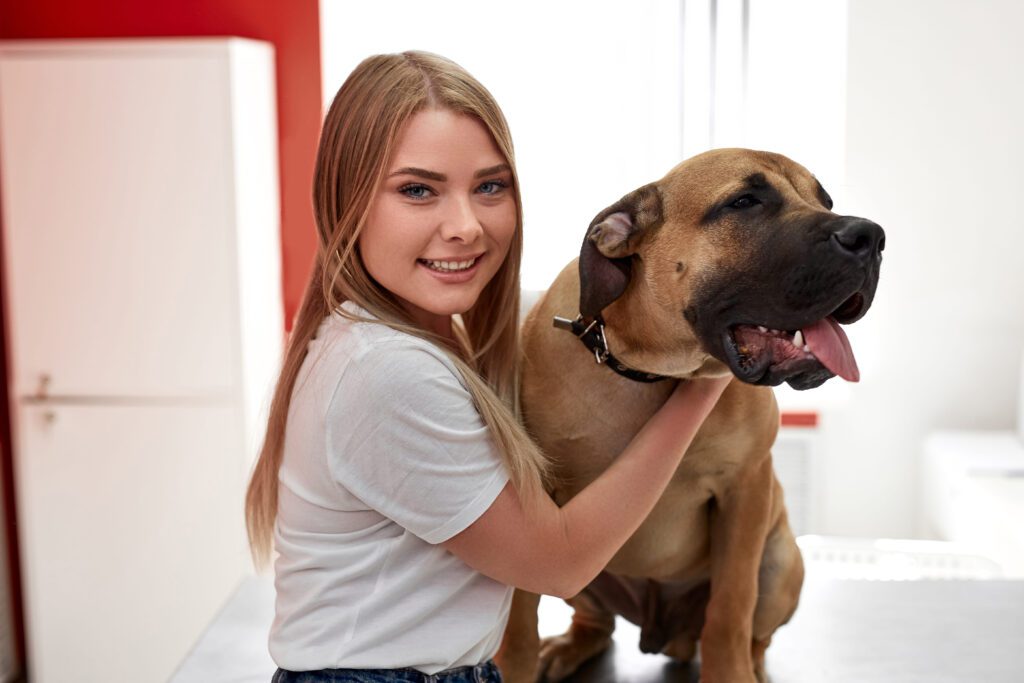
The ideal Tosa Inu adopter is experienced with large dogs, confident with handling, and committed to daily training. A secure yard, a reliable exercise routine, and a calm home help this breed thrive. Heat management and thoughtful scheduling are essential in New Mexico, and warm shelter is important during winter nights in higher elevations.
Take your time, study the breed, and prepare your home before you meet dogs. Use Dog Academy to browse adoptable Tosa Inus, learn best practices, and build a checklist for the first 30 days. With patience and a clear plan, you can adopt a Tosa Inu in New Mexico and welcome a steady, loyal companion for life.
Introducing a new puppy to your current dog is often an exciting process, and many dogs will become fast friends and eas...
Read More
Rescue dogs can make great companions and can transform your home into something better. These dogs make great pets and ...
Read More
You should never rush to pet a dog. Even dog owners make the mistake of approaching unfamiliar dogs and petting them rig...
Read More
Puppy mill dogs are survivors who have endured extreme hardships in their lives. They have grown up in horrendous, unsan...
Read More
With their wagging tails and comforting presence, adopting a dog can add a unique touch to your life. It’s a heart...
Read More
Older dogs may have a few gray hairs around the edges, but that doesn’t mean they can’t make wonderful companions! T...
Read More