


























































































































































































Introducing a new puppy to your current dog is often an exciting process, and many dogs will become fast friends and eas...
Read MoreAdopt Me

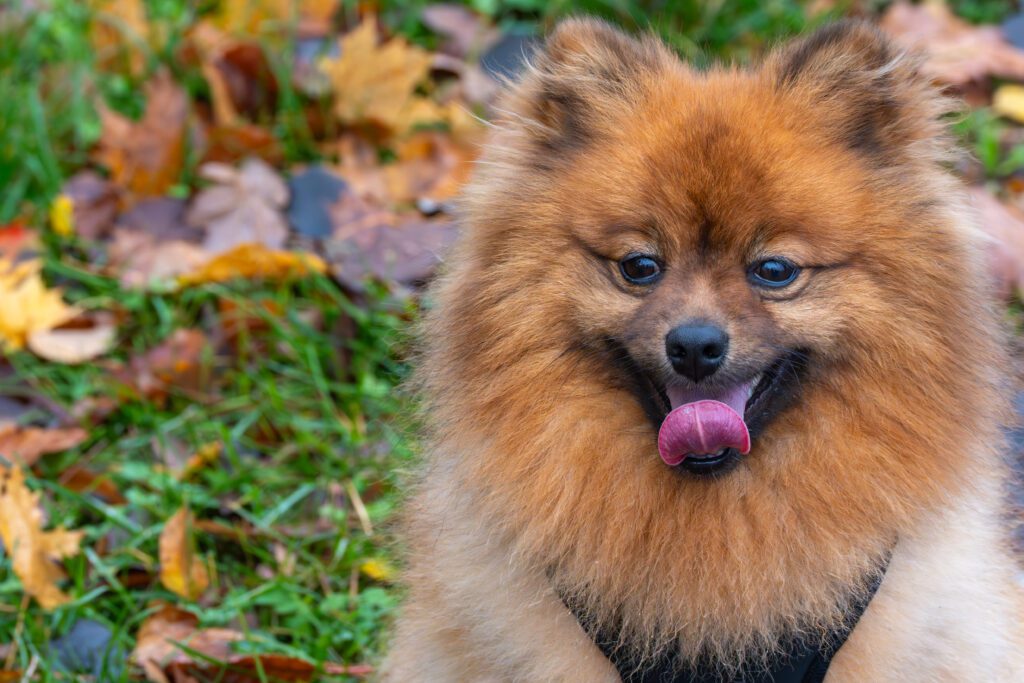
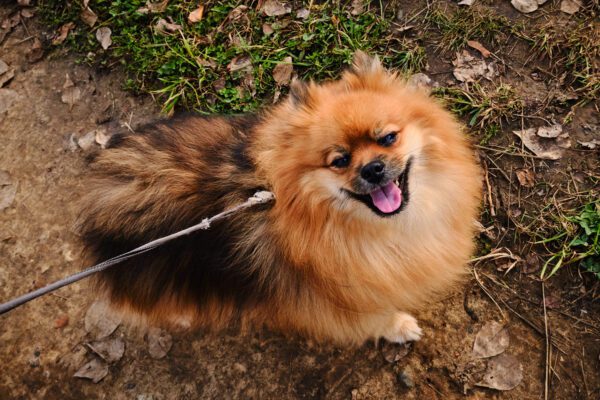
The German Spitz is bright, cheerful, and loyal. This small spitz breed carries a plush double coat, a foxlike face, and a playful spirit that keeps families smiling. The breed bonds closely with its people, stays alert, and thrives on daily interaction. Energy needs are moderate, and brisk walks and short play sessions usually satisfy the breed’s exercise needs.
Thoughtful research ensures a great match before you adopt a German Spitz in New Mexico. The coat needs regular brushing to control shedding, and the breed’s alert nature can lead to frequent barking without guidance. Adoption often brings strong benefits because shelters and rescues provide health checks and thoughtful matching, and your choice supports lifesaving work. New Mexico’s climate adds considerations because hot, sunny days can challenge a double-coated dog, while cool mornings and evenings suit the coat well.
New Mexico’s high desert air is dry, and hydration matters for a small, fluffy breed. Urban apartments can work when you manage barking and provide daily enrichment. Suburban yards need secure fencing because a curious Spitz can squeeze through small gaps. Scenic walks on neighborhood paths or gentle trails fit the breed, but midday heat calls for shade, water, and rest. Early morning or evening outings keep a German Spitz comfortable year-round.
You can skip searching rescues and shelters one by one by browsing Dog Academy, which collects adoption listings in one place and provides educational guides and checklists. You can also look at local animal shelters, regional rescues, and breed-specific rescue groups that work across state lines. These sources often list available dogs, describe personalities, and outline care needs.
The process usually starts with browsing listings and reading each profile with care. An application follows, which often asks about your housing, schedule, other pets, and veterinary history. Many groups request personal references and may contact your landlord to confirm pet policies. Timelines vary by organization, but approvals in New Mexico commonly take 1 to 3 weeks when paperwork and references move quickly.
Most groups set a meet-and-greet once your application advances. You may meet the dog at a shelter, an adoption event, or a foster home where volunteers can describe daily routines and quirks. A home check often comes next. Some groups conduct a virtual tour to confirm safety and fencing, while others visit in person. Final approval includes an adoption contract that explains fees, medical records, and return policies, followed by a pick-up date that lets you prepare supplies.
Transport can expand your options when local availability is limited. Rescues sometimes arrange transport to move dogs between locations using volunteer drivers or licensed carriers. Transport usually requires a health certificate from a veterinarian and a small additional fee, and pick-up often happens at a designated meeting spot. Travel in hot weather may be scheduled during cooler hours to protect the dog’s comfort and safety.

|
How Much Does It Cost to Adopt a German Spitz in New Mexico?Expect most adoption fees for a German Spitz in New Mexico to fall between $200 and $450. Fees trend toward the middle of that range for adult dogs and may rise for puppies or dogs that arrive with recent veterinary care. Age, training, medical care, and local demand all influence the final number. The fee typically includes spaying or neutering, vaccinations, microchipping, and veterinary exams, which would cost more if you arranged these services on your own. Budget for essentials beyond the fee. Initial costs can include a crate, a harness, an identification tag, grooming tools, and a first veterinary visit in your name. You may also see modest charges for transport if a group moves the dog from another area, and you may choose to add training support to set your new companion up for success. |
How Should I Train a German Spitz?The German Spitz is intelligent, curious, and eager to learn, which makes training both fun and productive. Short, upbeat sessions keep attention high, and rewards like tiny treats or play reinforce good choices. A gentle approach works best because harsh corrections can damage trust and increase anxiety. Start with name recognition, hand targeting, and a strong recall, then add loose leash walking and polite greetings. Barking often shows up as a challenge because this breed is naturally alert. Teach a quiet cue by rewarding moments of silence and giving calm alternatives such as a mat settle. Daily mental work reduces noise and restless pacing. Food puzzles, scent games, and trick training build confidence and channel energy. Early socialization with friendly dogs and new places supports stable behavior in busy New Mexico neighborhoods and on relaxed trail walks. Grooming cooperation matters for a double-coated dog. Introduce brushing with brief, positive sessions and reward calm standing. Touch paws and ears gently so nail trims and checks feel routine. For structured guidance tailored to your schedule, explore Dog Academy’s online training courses, which teach step-by-step skills you can practice at home. |
|
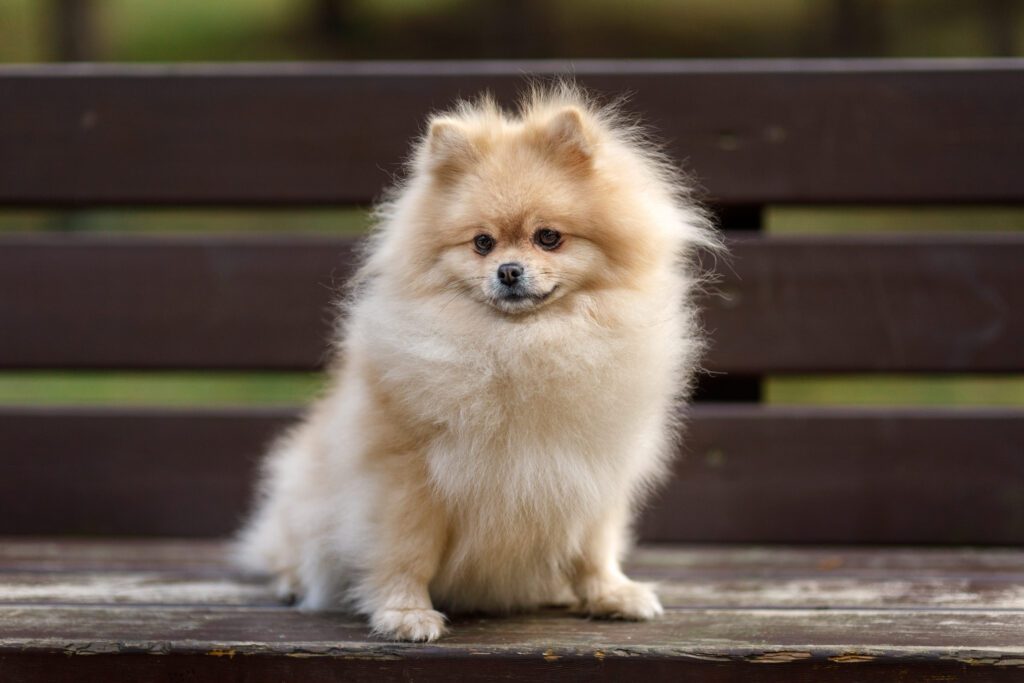
The ideal adopter enjoys daily walks, playful training, and a tidy grooming routine. A patient, consistent owner who manages barking and plans cool-hour outings will help a German Spitz thrive in New Mexico. Preparation matters, and a setup with fresh water, shade, and a calm rest space supports an easy transition.
Take your time and ask thoughtful questions about each dog’s history, energy, and comfort with heat. Gather supplies, set a veterinary plan, and review your training approach before pick-up. With careful research and steady routines, you can adopt a German Spitz in New Mexico and welcome a bright, loyal companion who fits your life for years to come.

Introducing a new puppy to your current dog is often an exciting process, and many dogs will become fast friends and eas...
Read More
Rescue dogs can make great companions and can transform your home into something better. These dogs make great pets and ...
Read More
You should never rush to pet a dog. Even dog owners make the mistake of approaching unfamiliar dogs and petting them rig...
Read More
Puppy mill dogs are survivors who have endured extreme hardships in their lives. They have grown up in horrendous, unsan...
Read More
With their wagging tails and comforting presence, adopting a dog can add a unique touch to your life. It’s a heart...
Read More
Older dogs may have a few gray hairs around the edges, but that doesn’t mean they can’t make wonderful companions! T...
Read More