
































































































































































Introducing a new puppy to your current dog is often an exciting process, and many dogs will become fast friends and eas...
Read MoreAdopt Me

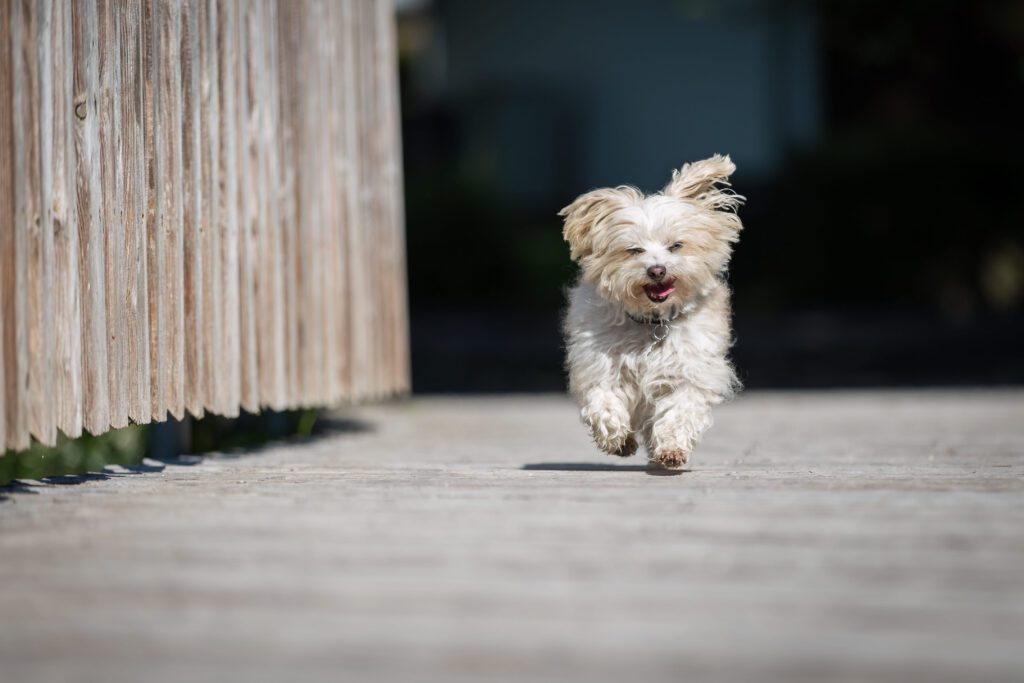

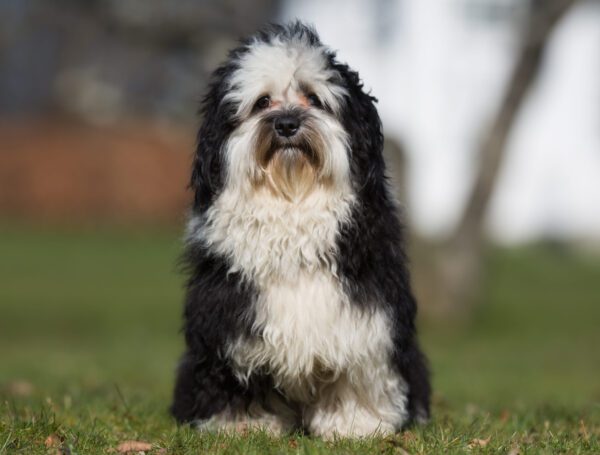
The Havanese is a cheerful, people-focused companion that loves to be near its family. This small breed is playful, gentle, and very social. A Havanese usually fits well with children and polite dogs, and the breed adapts easily to apartment living or a quiet home office. The coat is low shedding and silky, which helps people who prefer less loose hair in the home, though the coat needs regular brushing and routine trims.
Research matters before you adopt a Havanese in New Mexico. Adoption gives a dog a second chance and helps reduce strain on local shelters. Many adopters also appreciate that adoptive dogs often arrive already spayed or neutered and up to date on core care. New Mexico’s climate is sunny and dry with hot summers and cooler nights, so a Havanese needs safe indoor time during heat, shade on walks, and plenty of water. The state’s mix of high desert, mountains, and rural distances suits a companion breed that enjoys short strolls, indoor play, and time with people far more than long, rugged hikes.
You can skip searching shelters and rescues one by one by browsing adoptable dogs on Dog Academy. Dog Academy centralizes adoption listings and provides educational guides and adoption checklists that explain each step, from preparing your home to planning the first week. This saves time and helps you stay organized while you look for the right match.
Start by reviewing listings from local animal shelters, regional rescues, and breed-specific rescue groups. Read each profile closely and confirm age, size, temperament notes, and any medical updates. New listings appear often, and availability can change quickly, so set a reminder to check daily. If a dog is located outside your town, ask whether transport is available. Transport is often arranged by rescues to move dogs between locations using volunteer drivers or professional carriers once an application is approved and travel is safe for the dog.
Submit an application when a Havanese seems like a fit. Applications usually request identification, landlord approval if you rent, and personal references. Some groups ask for a short plan that explains your schedule, exercise routine, and grooming approach. Processing time varies by group and by volume, yet most approvals in New Mexico take about 1 to 3 weeks when references respond quickly.
Next come meet-and-greets and a home check. A meet-and-greet helps you confirm compatibility with children and resident pets. Home checks can be virtual or in person. The goal is to ensure safe fencing, secure doors, and a clean area for rest and feeding. Once approved, you sign an adoption contract, pay the fee, and schedule pickup. Ask for medical records and a brief routine that covers current diet, potty schedule, and any training cues. Plan your first week with a quiet room, a crate or pen, chew toys, and a simple daily schedule to reduce stress.
|
How Much Does It Cost to Adopt a Havanese in New Mexico?Expect to pay about $250 to $500 to adopt a Havanese in New Mexico. Fees trend toward the middle of this range for healthy adults and rise for puppies or dogs that received extensive medical care. Costs vary based on age, training, medical history, and local demand for small companion breeds. A puppy or a highly social adult with strong house manners often carries a higher fee due to demand and the group’s investment of time and care. Adoption fees typically include spaying or neutering, vaccinations, microchipping, and veterinary exams. Some groups also include heartworm testing, parasite treatment, and a recent grooming session for long-coated breeds. Ask for an itemized summary so you know exactly what the fee covers, then budget for grooming, high quality food, and preventive care after adoption. |
How Should I Train a Havanese?The Havanese is bright, people oriented, and eager to learn. Short sessions that use treats, toys, and praise work best. Keep lessons upbeat and end on a win, since this breed responds strongly to positive reinforcement and can shut down under harsh corrections. Focus early on name recognition, recall, loose leash skills, and calm greetings. Common challenges include slow house training, sensitivity to being left alone, and alert barking. House training improves with a consistent schedule, frequent outdoor breaks, and careful supervision indoors. Crate training builds a safe resting spot and helps with routine. Teach a quiet cue, reinforce settle on a mat, and offer enrichment puzzles to prevent boredom. For step-by-step help, explore Dog Academy’s online training courses, which provide coaching for manners, socialization, and confidence building tailored to companion breeds. |

|
A Havanese suits adopters who want a close companion and who can include a small dog in daily life. The best homes provide regular grooming, gentle exercise, and lots of interaction. Preparation matters, so gather supplies, set a daily routine, and align on household rules before you bring your dog home.
Take your time as you adopt a Havanese in New Mexico. Review profiles carefully, ask clear questions, and choose a dog whose energy level matches your lifestyle. With patience, planning, and kind training, you will welcome a joyful buddy who thrives in your care.
Introducing a new puppy to your current dog is often an exciting process, and many dogs will become fast friends and eas...
Read More
Rescue dogs can make great companions and can transform your home into something better. These dogs make great pets and ...
Read More
You should never rush to pet a dog. Even dog owners make the mistake of approaching unfamiliar dogs and petting them rig...
Read More
Puppy mill dogs are survivors who have endured extreme hardships in their lives. They have grown up in horrendous, unsan...
Read More
With their wagging tails and comforting presence, adopting a dog can add a unique touch to your life. It’s a heart...
Read More
Older dogs may have a few gray hairs around the edges, but that doesn’t mean they can’t make wonderful companions! T...
Read More