




















































































































































































Introducing a new puppy to your current dog is often an exciting process, and many dogs will become fast friends and eas...
Read MoreAdopt Me
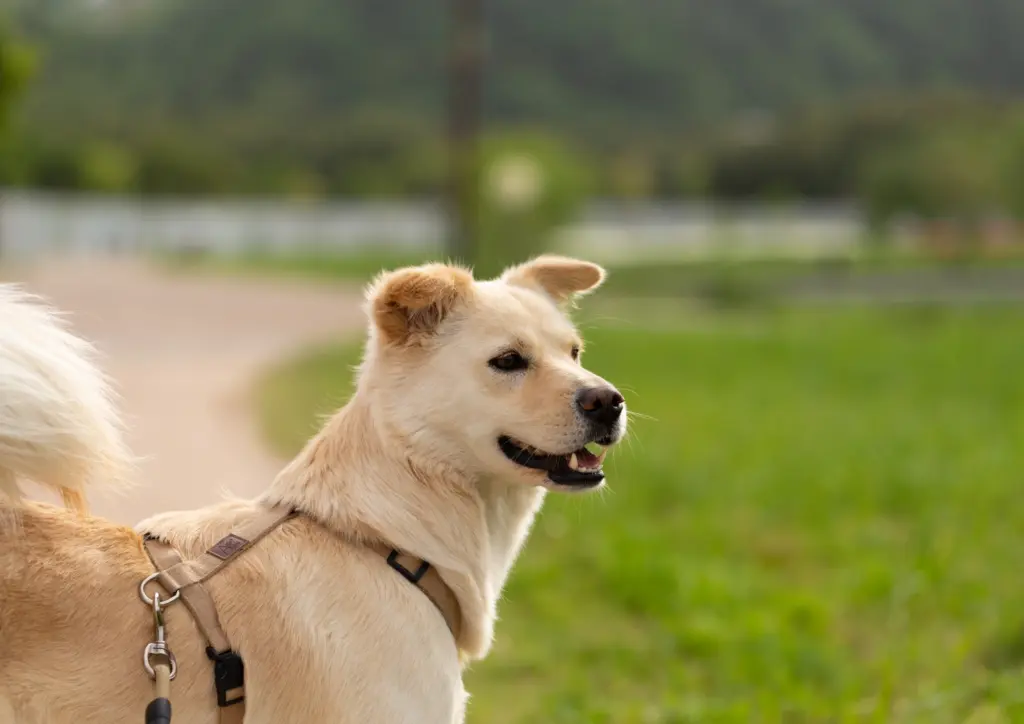
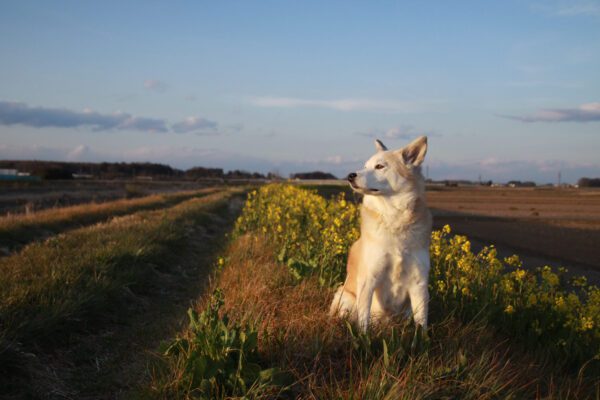
The Korean Jindo is loyal, intelligent, and deeply devoted to its family. This agile hunter has a calm home presence and a watchful nature, which makes it a steady companion for people who value routine and structure. Careful research matters before you adopt, because the Jindo’s independence and strong prey drive can challenge first time dog owners. Adoption gives a deserving dog a new start and supports community based animal welfare, which often makes it a better choice than buying.
Hawaii offers year round outdoor time, which suits a fit and energetic dog. The warm tropical climate requires thoughtful management, because heat and humidity can stress a double coated breed. Early morning or evening exercise, shade, and steady hydration keep a Jindo comfortable. Hawaii’s coastal neighborhoods and dense urban areas sometimes limit yard space, so secure leashed walks, reliable recall practice, and mental enrichment become daily needs. Trails with wildlife and areas with free roaming chickens call for strong management due to the Jindo’s natural hunting instincts.
You can avoid searching shelters and rescues one by one by using Dog Academy to browse adoptable dogs in one place. You can filter by location, age, and size, and you can save favorites to compare. You can also use Dog Academy to access helpful adoption checklists and step by step guides, which prepare you for applications and home setup. Beyond Dog Academy, you can also look at local animal shelters, regional rescues, and breed specific rescue groups that serve Hawaii through foster networks.
The process starts with browsing listings and reading each profile in full. Profiles usually note temperament, activity level, medical history, and the type of home the dog needs. When a Jindo looks like a fit, you submit an application that includes personal information, references, and landlord approval when you rent. A coordinator reviews your application and schedules a meet and greet at a shelter, a foster home, or a neutral public space. Some groups offer virtual meet and greet calls when distance is a factor. Many groups also request a home check. A home check confirms secure fencing, safe gates, and a plan to manage doors and balconies in multi level buildings.
Approval timelines vary by group. A straightforward local adoption often completes in 3 to 10 days once references, a home check, and a meet and greet are finished. If transport is involved, it can take longer. Transport is often arranged by rescues to move dogs between islands or from the mainland to Hawaii. Transport requires health certificates, airline approved crates, and coordination around state entry requirements, which can extend the timeline by 2 to 4 weeks. Clear communication and quick responses help you move through each step with less delay.
|
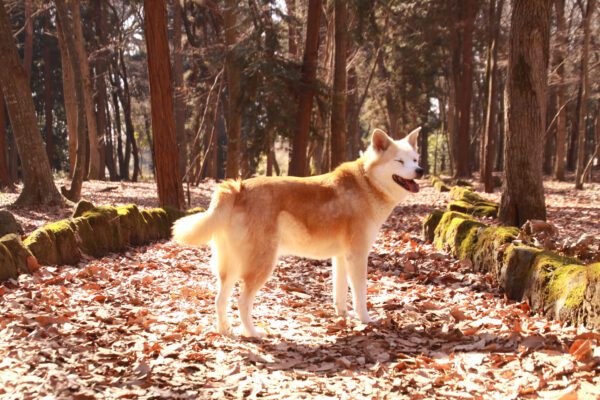
How Much Does It Cost to Adopt a Korean Jindo in Hawaii?Expect to pay about $350 to $650 to adopt a Korean Jindo in Hawaii. The fee often reflects spaying or neutering, vaccinations, microchipping, and veterinary exams. Age influences cost, because puppies and young adults usually sit at the higher end, while seniors are lower. Extra training can raise the fee when a dog arrives with completed classes or professional behavior work. Recent medical care, such as dental treatment or treatment for skin conditions, can also increase the price. Demand affects pricing because Jindos are relatively rare in Hawaii. If transport is included, rescues may add a transport surcharge that covers travel and supplies, which can increase the total by roughly $100 to $300. |
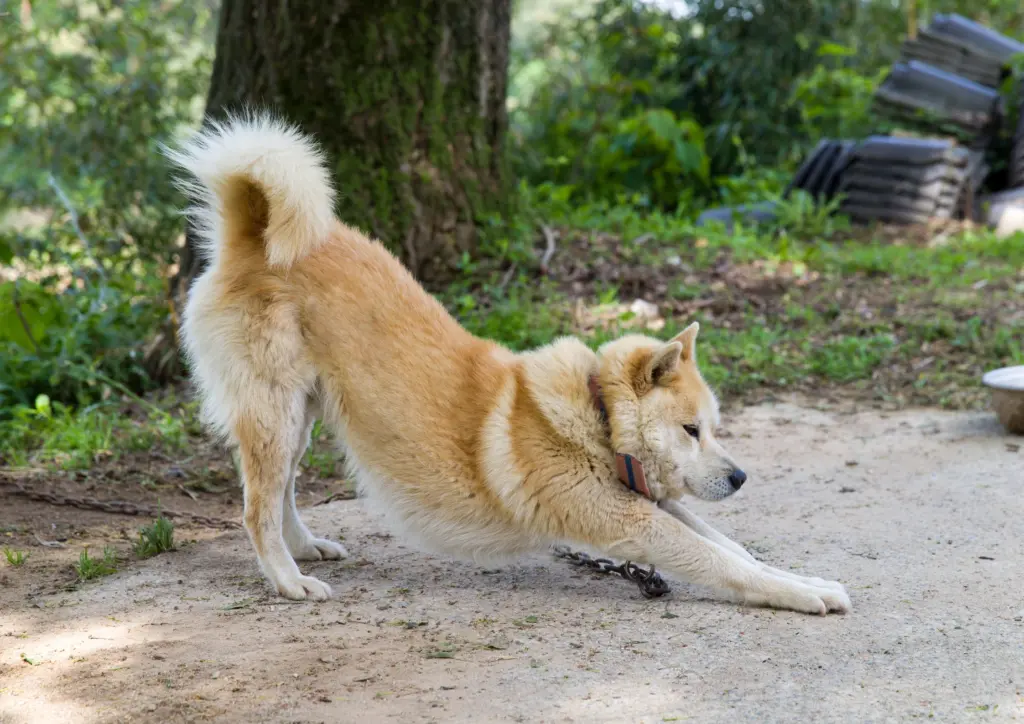
How Should I Train a Korean Jindo?The Jindo is highly intelligent and learns quickly when training is clear and fair. This breed thinks independently and values routine, so training works best when you set simple rules and reward calm choices. Use positive reinforcement with food, toys, and praise. Keep sessions short, fun, and frequent. Focus on name recognition, hand target, settle on a mat, and impulse control for doorways. Many Jindos are sensitive to harsh corrections, which can create shutdown or resistance. Gentle guidance builds trust and keeps motivation high. Plan for solid management and real world skills. Practice recall on a long line, because a strong prey drive can override weak cues. Teach leash skills that include changes of pace, check ins, and calm passes by other dogs. Build a reliable leave it, which helps in areas with birds or small animals. Crate training and boundary training support safe apartment living. Provide daily mental enrichment through scent games, food puzzles, and short search tasks. For structured help, enroll in Dog Academy’s online training courses, which cover obedience foundations, loose leash walking, and behavior problem solving with step by step videos. |
|
A Korean Jindo thrives with an active person or family who values routine, clear boundaries, and calm leadership. Preparation matters. Set up safe containment, plan daily exercise during cooler hours, and schedule training from day one. Take time to learn, ask questions, and move at a thoughtful pace. When you match the dog’s needs with your lifestyle, you set the stage for a loyal partnership that lasts for years in Hawaii’s unique island setting.

Introducing a new puppy to your current dog is often an exciting process, and many dogs will become fast friends and eas...
Read More
Rescue dogs can make great companions and can transform your home into something better. These dogs make great pets and ...
Read More
You should never rush to pet a dog. Even dog owners make the mistake of approaching unfamiliar dogs and petting them rig...
Read More
Puppy mill dogs are survivors who have endured extreme hardships in their lives. They have grown up in horrendous, unsan...
Read More
With their wagging tails and comforting presence, adopting a dog can add a unique touch to your life. It’s a heart...
Read More
Older dogs may have a few gray hairs around the edges, but that doesn’t mean they can’t make wonderful companions! T...
Read More