




























































































































































































Introducing a new puppy to your current dog is often an exciting process, and many dogs will become fast friends and eas...
Read MoreAdopt Me
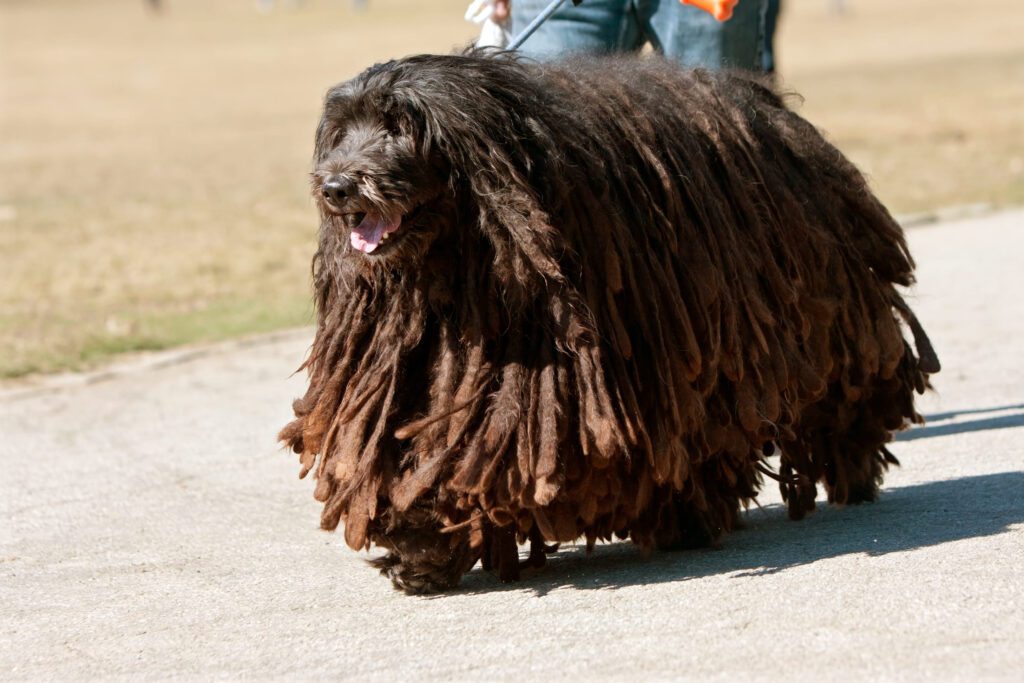
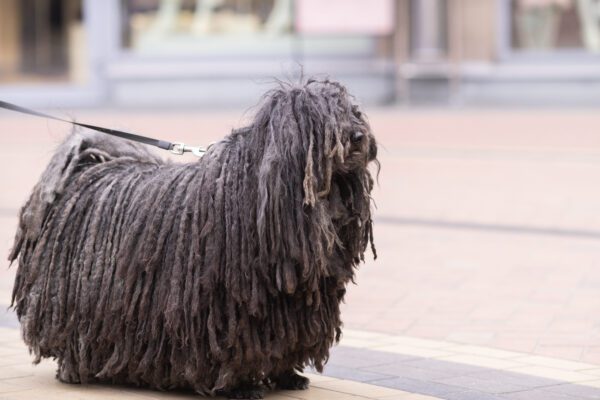
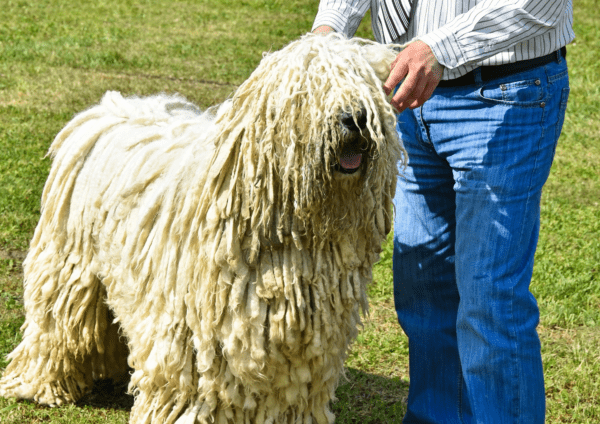
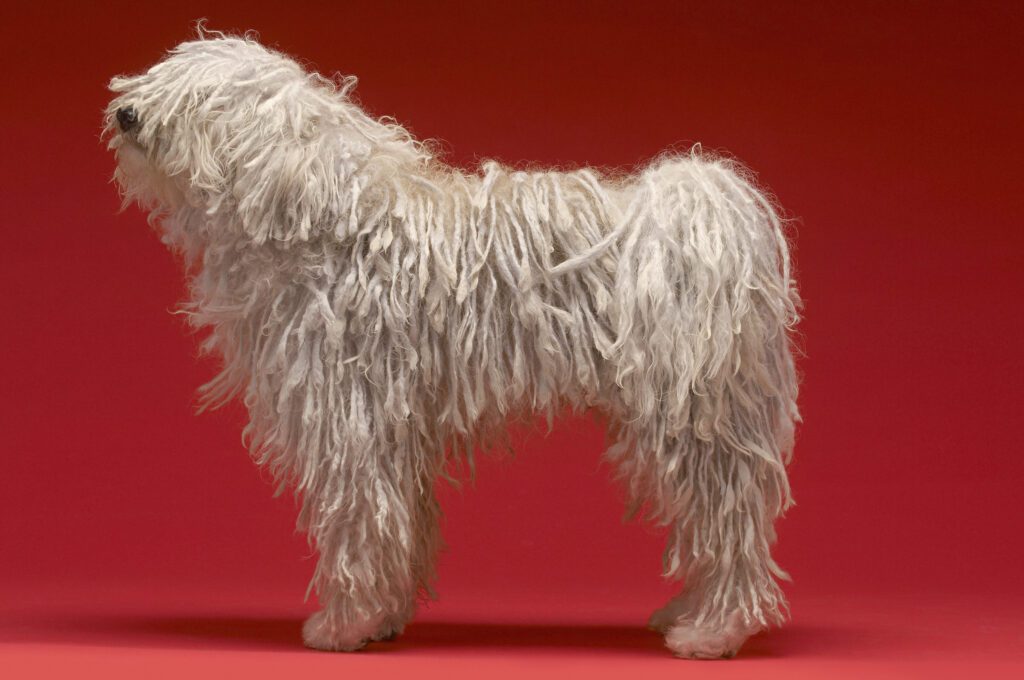
The Komondor is a devoted guardian that bonds deeply with family and watches the home with quiet confidence. This large, powerful dog is thoughtful and independent. The famous corded coat protects the body and turns heads wherever the dog goes. A Komondor rewards patient, consistent handling with steady loyalty and calm companionship.
Research matters before you adopt. A Komondor thrives with structure, early socialization, and clear boundaries. Adoption gives a dog a second chance and supports ethical placement. It also helps you match with a temperament that fits your household. Virginia offers many settings that can suit this breed. Rural properties and spacious suburbs provide room to patrol and relax. Humid summers require careful coat care and thorough drying after baths or swims. Mountain winters can feel brisk, although the heavy coat insulates well when properly maintained.
Lifestyle fit is key. A Komondor needs a secure fence, regular mental work, and steady leadership. The coat needs hands-on care. Owners must separate cords, keep the skin clean, and dry the coat fully after bathing. Bathing and drying often take hours. Families who enjoy routine, outdoor time, and thoughtful training often find this breed deeply rewarding.
You can skip searching shelters and rescues one by one by using Dog Academy. The adoption listings help you browse available dogs from many sources in one place. You can filter by location and read detailed profiles that explain age, temperament, and care needs. Dog Academy also provides educational guides and adoption checklists that help you prepare your home and plan your first weeks.
Beyond aggregated listings, you can look at local animal shelters, regional rescues, and breed-specific rescue groups. Many Komondors enter rescue due to mismatched expectations. Read each profile carefully. Note requirements such as secure fencing, livestock experience, or a home without small pets. Ask about history, triggers, grooming tolerance, and prior training. A clear picture prevents surprises after placement.
Start by browsing listings and then submit an application. Most groups ask for personal references, proof of residence, and landlord approval if you rent. Many also request a veterinary reference and a plan for training and exercise. Review times vary. A typical review takes 3 to 7 days, followed by a phone interview and a virtual or in-person home check. The home check confirms safety, fencing, and traffic patterns inside the house. Approval timelines vary with volunteer availability and the number of applicants.
After approval, you schedule a meet-and-greet with the dog and every household member. Introductions with resident pets happen on neutral ground when possible. Some groups offer a foster-to-adopt period that allows you to confirm fit before finalizing. If the right Komondor is in another part of Virginia or a nearby state, rescues sometimes arrange transport to move dogs between locations. Transport usually happens by ground through volunteer networks or professional couriers. Groups often require a health certificate and may add a separate transport fee to cover fuel, tolls, and coordination.
|
How Much Does It Cost to Adopt a Komondor in Virginia?In Virginia, expect most Komondor adoption fees to fall between $250 and $550 for adults. Puppies are less common and often range from $400 to $650 when available. Fees reflect the breed’s rarity, large size, and the care needed before placement. Adoption packages generally include spaying or neutering, vaccinations, microchipping, and veterinary exams. Many groups also complete deworming and a heartworm test and provide a short supply of food and a collar. Age, training, medical care, and demand affect pricing. Younger dogs and highly sought temperaments may sit near the top of the range. Dogs that received orthopedic care, dental care, or heartworm treatment may carry a higher fee to offset costs. Some groups add modest fees for transport or post-adoption training support. Budget for ongoing grooming supplies, high-quality food, and a sturdy crate that fits a large dog. |
How Should I Train a Komondor?The Komondor is intelligent but highly independent. The breed was developed to make decisions without constant direction. Use positive reinforcement, clear markers, and high-value rewards. Keep sessions short and focused. Build trust through calm leadership and predictable routines. Early and ongoing socialization matters in Virginia’s busy environments. Introduce polite manners around visitors, delivery workers, and dogs at a safe distance. Teach foundation skills that support impulse control and safety. Prioritize name recognition, a reliable recall, loose-leash walking, a solid stay, and boundary training at doors and gates. Reinforce quiet on cue and provide daily enrichment to manage alert barking. If you want step-by-step guidance, explore Dog Academy’s online training courses for large guardians. These programs show you how to structure sessions, prevent problem behaviors, and maintain good manners through adolescence. |
|
The ideal owner understands large guardian breeds and enjoys steady routines. A secure yard, time for daily exercise, and a commitment to coat care are essential. Households that value calm leadership and patient training often see the best results. Rural and suburban Virginia homes can be a strong match when fencing and supervision are in place.
Preparation leads to lasting success. Set a realistic budget, gather grooming tools, and line up a veterinarian and a trainer in advance. Take your time, read every profile with care, and ask clear questions. When you feel ready, start your search with confidence and welcome a loyal Komondor into your Virginia home.

Introducing a new puppy to your current dog is often an exciting process, and many dogs will become fast friends and eas...
Read More
Rescue dogs can make great companions and can transform your home into something better. These dogs make great pets and ...
Read More
You should never rush to pet a dog. Even dog owners make the mistake of approaching unfamiliar dogs and petting them rig...
Read More
Puppy mill dogs are survivors who have endured extreme hardships in their lives. They have grown up in horrendous, unsan...
Read More
With their wagging tails and comforting presence, adopting a dog can add a unique touch to your life. It’s a heart...
Read More
Older dogs may have a few gray hairs around the edges, but that doesn’t mean they can’t make wonderful companions! T...
Read More