


























































































































































































Introducing a new puppy to your current dog is often an exciting process, and many dogs will become fast friends and eas...
Read MoreAdopt Me
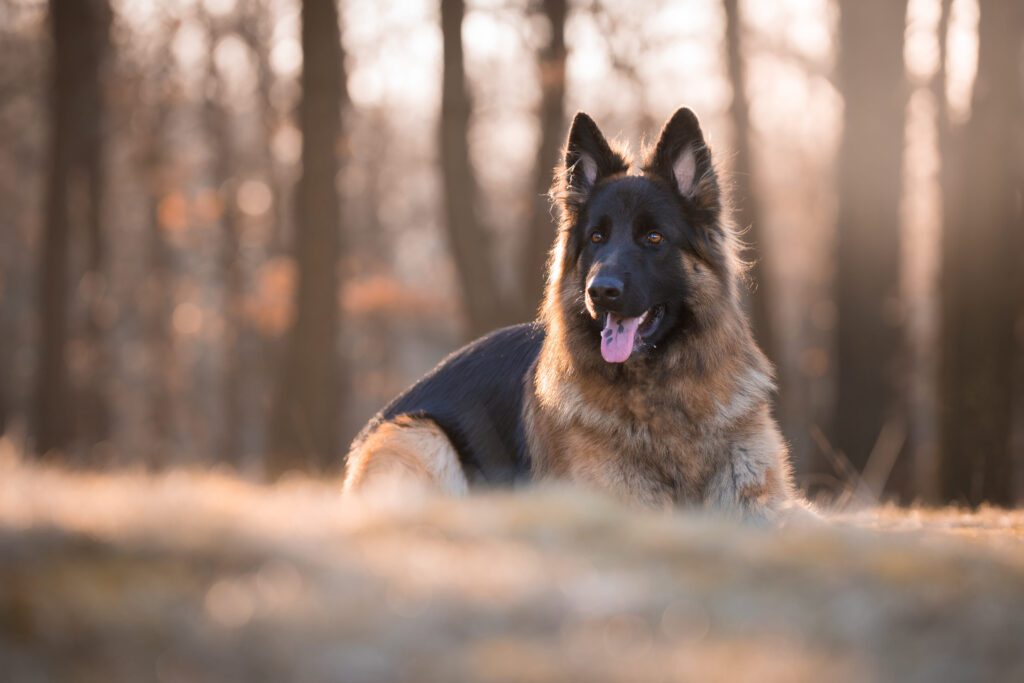



The King Shepherd is a loyal, confident, and highly trainable companion. This large, athletic dog bonds closely with family and enjoys purposeful work and daily activity. The breed suits adopters who want a steady guardian with an affectionate nature and a calm, thinking mind. A King Shepherd thrives when it receives structure, exercise, and clear guidance.
Adoption rewards both you and the dog. You provide a stable home while you gain a devoted partner. Careful research helps you understand temperament, exercise needs, grooming requirements, and potential health considerations before you bring a dog home. Adoption often includes initial veterinary care and support, and choosing adoption directs resources toward dogs who need a second chance.
Rhode Island offers coastal walks, short drives to wooded trails, and a compact footprint that makes commuting with a dog manageable. The state’s winters feel cold and windy, which suits a King Shepherd’s dense coat. Summers can be hot and humid, which calls for shade, water, and limited midday activity. Urban neighborhoods can be busy and tight on yard space, so daily structured walks and mental enrichment are essential. With the right routine, a King Shepherd can succeed in both city and suburban Rhode Island living.
You can avoid searching shelters and rescues one by one by starting with adoptable dog listings on Dog Academy. You can browse available King Shepherds, learn about needs and histories, and use educational guides and adoption checklists to prepare. You can also check local animal shelters, regional rescues, and breed-specific rescue groups that serve Rhode Island and nearby states.
The process begins with browsing listings and reading each profile carefully. You can note age, size, activity level, and any training or medical notes. When you find a possible match, you submit an application with identification, housing details, and references. Some groups ask for landlord approval for renters and proof that household members agree to the adoption. Clear, complete applications move faster and lead to better matches.
Next comes a meet-and-greet. You visit the shelter, a foster home, or a neutral location to see how the dog responds to you and your family. Many groups require a home check. A home check confirms safe fencing, secure doors, and appropriate space for a large dog. Home checks can happen in person or through a virtual tour when distance is a factor. Timelines vary by group, but approvals often take 1 to 3 weeks after the application if references respond quickly. Some organizations offer a foster-to-adopt option, which allows you to host the dog with the intent to adopt while both sides confirm the fit.
If the dog is located out of state, rescues sometimes arrange transport to move dogs between locations once an adopter is approved. Transport is usually scheduled on set routes with safety protocols, and adopters receive pickup instructions and health records. Before finalizing, you sign an adoption agreement, pay the fee, and receive medical paperwork and training recommendations. You should also plan to license the dog locally and keep proof of rabies vaccination as required by your municipality.
|
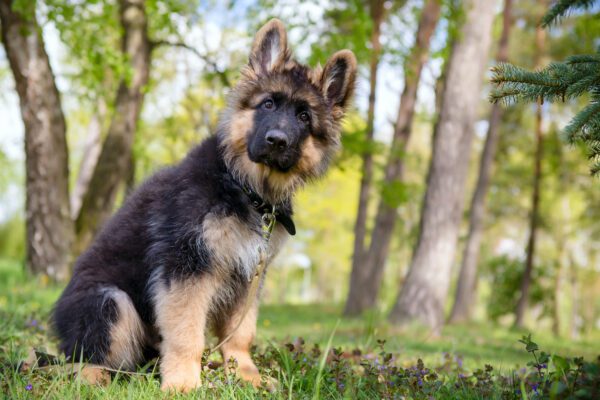
How Much Does It Cost to Adopt a King Shepherd in Rhode Island?In Rhode Island, expect adoption fees for a King Shepherd to fall around $350 to $600 for most adults and about $450 to $750 for most puppies. Fees often run slightly higher for large guardian breeds because care and transport cost more, and demand can be strong when a well-tempered dog becomes available. Fees usually include spaying or neutering, vaccinations, microchipping, and veterinary exams. Costs can rise if the dog received extensive medical care, behavior support, or professional training before placement. Age influences pricing because puppies require more preventive care, while seniors may be lower in fee but can carry ongoing medical needs. Well-documented training or specialized socialization can also affect the final amount. |
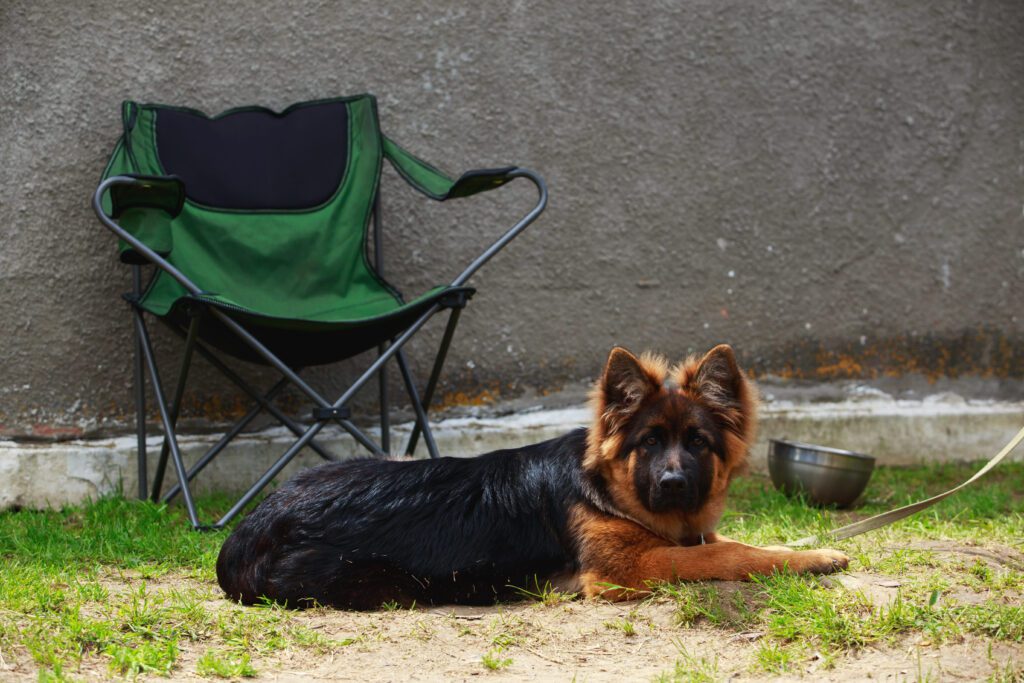
How Should I Train a King Shepherd?The King Shepherd is intelligent, eager, and sensitive to handler guidance. This breed learns quickly when training remains positive, consistent, and reward based. Short, frequent sessions work best. You can build reliability with clear cues, food rewards, toys, and praise. Early focus on name recognition, recall, loose-leash walking, and calm greetings helps shape polite behavior in busy Rhode Island neighborhoods. Common challenges include protective alerting, pulling on leash, and overexcitement around new dogs or people. You can prevent problems with early socialization, impulse control games, and structured exposure to city sounds, stairs, elevators, and coastal crowds. Provide daily mental work through scent games, obedience drills, and puzzle feeders. Practice recall only in fenced areas until your dog proves consistent. If you want step-by-step support, you can use Dog Academy’s online training courses, which cover foundation skills, leash manners, confidence building, and behavior troubleshooting for large breeds. |
|
The ideal adopter enjoys daily walks, clear routines, and time for training. A fenced area is helpful, though not required when you commit to structured exercise and enrichment. Families, active singles, and couples can succeed when they provide guidance, patience, and consistency.
Take your time, ask questions, and prepare your home before you bring a dog inside. Gather supplies, set house rules, and plan a training schedule. When you are ready to adopt a King Shepherd in Rhode Island, start with listings and education that save time and reduce stress. Thoughtful preparation leads to a safe transition and a lifelong bond.

Introducing a new puppy to your current dog is often an exciting process, and many dogs will become fast friends and eas...
Read More
Rescue dogs can make great companions and can transform your home into something better. These dogs make great pets and ...
Read More
You should never rush to pet a dog. Even dog owners make the mistake of approaching unfamiliar dogs and petting them rig...
Read More
Puppy mill dogs are survivors who have endured extreme hardships in their lives. They have grown up in horrendous, unsan...
Read More
With their wagging tails and comforting presence, adopting a dog can add a unique touch to your life. It’s a heart...
Read More
Older dogs may have a few gray hairs around the edges, but that doesn’t mean they can’t make wonderful companions! T...
Read More