


























































































































































































Introducing a new puppy to your current dog is often an exciting process, and many dogs will become fast friends and eas...
Read MoreAdopt Me

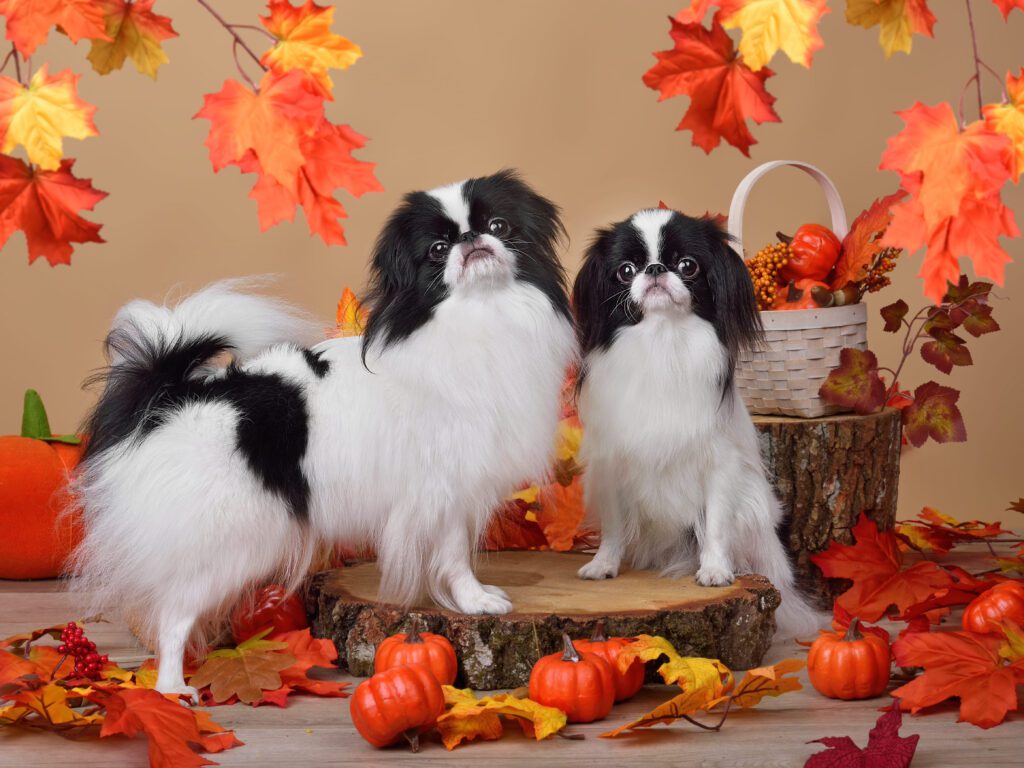
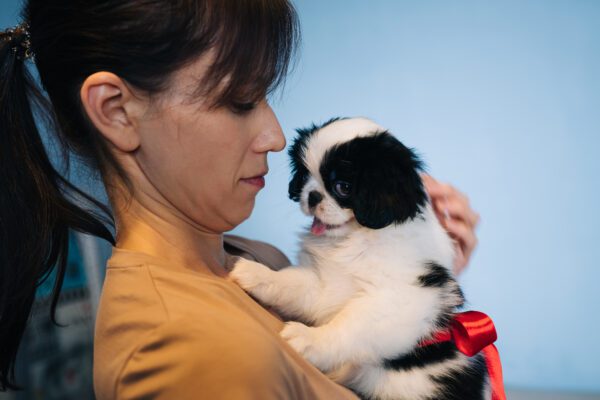
The Japanese Chin is a devoted lap dog with a graceful presence and a charming, catlike personality. This small companion dog enjoys quiet time with family, short strolls, and gentle play. The breed thrives on attention and forms close bonds with its people, which makes thoughtful research essential before you adopt. Adoption helps a dog in need and supports responsible pet care, which is why many families choose it over buying.
Montana offers a calm lifestyle with wide open spaces, small towns, and friendly communities. The climate features cold winters, dry air, and sunny summers at higher elevations. A Japanese Chin does best with an indoor lifestyle that protects the dog from temperature extremes. Short outdoor time is ideal when snow and ice are present, while shaded walks are safest during hot afternoons. This breed fits well in apartments and houses and it prefers routine, soft bedding, and safe, low-impact exercise.
You can avoid searching rescues and shelters one by one by starting with Dog Academy. You can browse current adoption listings in one place, learn about breed needs, and follow clear educational guides and adoption checklists. You can also contact local animal shelters, regional rescues, and breed-specific rescue groups that serve Montana and nearby states.
Begin by browsing listings and reading each profile closely. A good profile explains age, temperament, medical history, and ideal home environment. When you find a match, you will complete an application that asks about your schedule, home setup, experience with small breeds, and current pets. Many groups request landlord approval for renters and veterinary references for households with other animals.
After your application is reviewed, a coordinator will schedule a meet-and-greet. This first meeting helps you confirm the dog’s size, energy level, and comfort with your family. Some groups offer a second visit or foster-to-adopt trial to ensure a smooth transition. Most organizations conduct a virtual or in-person home check to confirm safety. A home check looks at secure doors, safe stairs, and a quiet place for rest.
Approval timelines vary by location and season. Straightforward adoptions often finalize within 1 to 3 weeks. Dogs with medical needs or special behavior plans may take longer. If your best match lives outside your town, rescues sometimes arrange transport to move dogs between locations. Transport is often arranged by rescues to move dogs between states using volunteer drivers or licensed carriers, and the group will explain timing and any added fees before you commit.
|
How Much Does It Cost to Adopt a Japanese Chin in Montana?Most adopters in Montana should expect a fee in the range of $200 to $400 for a Japanese Chin. Puppies and young dogs adopted through breed-focused programs often fall at the higher end. Senior dogs or dogs with ongoing medical plans may be placed at the lower end to encourage the right match. Costs reflect spaying or neutering, vaccinations, microchipping, and veterinary exams. Fees also reflect dental care for toy breeds, diagnostic tests, and any training support the dog has received. Age, medical care, training investment, and regional demand affect pricing. Small companion dogs with strong demand often place quickly, and that demand can keep fees toward the top of the range. A dog that arrives already house trained and socialized may also carry a slightly higher fee because of the extra work completed by the foster home. |
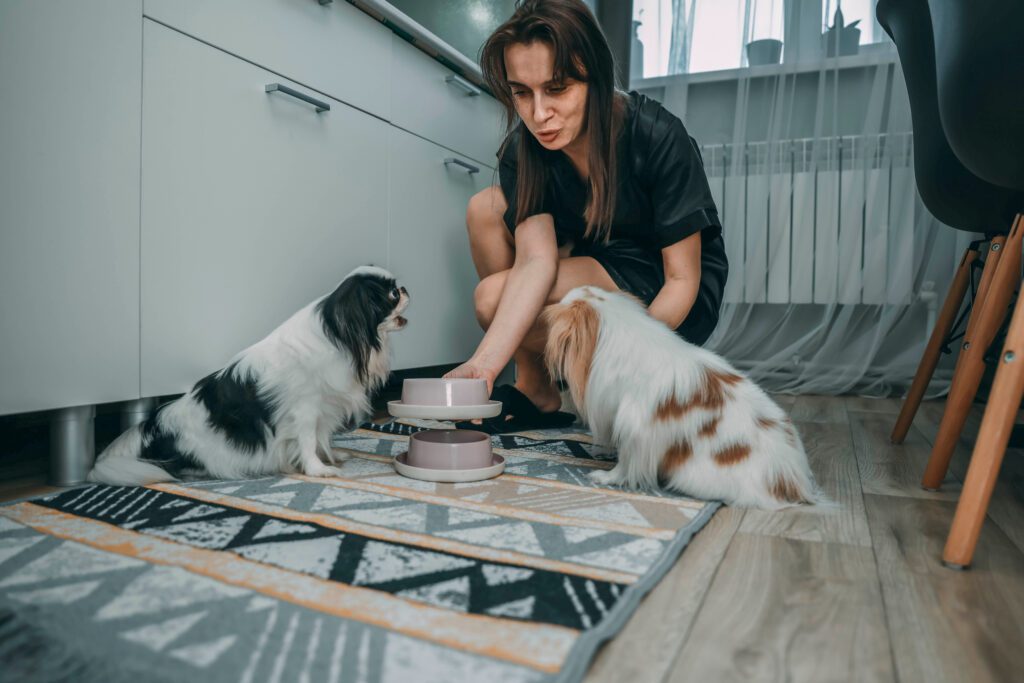
How Should I Train a Japanese Chin?The Japanese Chin is intelligent, observant, and sensitive. The breed learns best with calm environments and short sessions. Consistent routines and gentle handling help this dog gain confidence. Positive reinforcement with tiny treats and warm praise produces the best results. Harsh corrections cause stress and slow progress. House training can take time with a small dog, especially in cold weather. Frequent outdoor breaks, a set feeding schedule, and crate training build reliable habits. Many owners also use indoor potty pads during deep winter and then transition back to outdoor breaks when ice clears. Early socialization with friendly people and calm dogs reduces shyness and helps prevent excessive barking at new sounds. Leash training, recall practice, and handling exercises for grooming prepare a Japanese Chin for safe walks and regular coat care. You can build a personalized plan with Dog Academy’s online training courses. Step-by-step lessons cover foundation skills, enrichment for indoor days, and polite manners for visitors. You can train at home on your schedule with expert guidance and clear video instruction. |
|
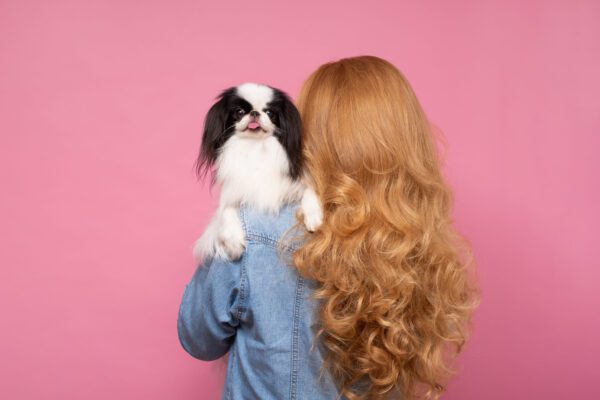
A Japanese Chin fits best with an owner who wants a close companion and a calm home. The ideal adopter enjoys short walks, gentle play, and plenty of cuddle time. Families with older children, retirees, and apartment dwellers often find this breed a perfect match. Preparation matters as much as affection. Set up soft bedding, stable steps for furniture, winter-safe potty routines, and a quiet crate or pen before your dog arrives.
Take your time, ask questions, and choose the dog whose needs match your routine. With patient training, proper climate management, and thoughtful care, you can adopt a Japanese Chin in Montana and enjoy a loving partnership for many years.

Introducing a new puppy to your current dog is often an exciting process, and many dogs will become fast friends and eas...
Read More
Rescue dogs can make great companions and can transform your home into something better. These dogs make great pets and ...
Read More
You should never rush to pet a dog. Even dog owners make the mistake of approaching unfamiliar dogs and petting them rig...
Read More
Puppy mill dogs are survivors who have endured extreme hardships in their lives. They have grown up in horrendous, unsan...
Read More
With their wagging tails and comforting presence, adopting a dog can add a unique touch to your life. It’s a heart...
Read More
Older dogs may have a few gray hairs around the edges, but that doesn’t mean they can’t make wonderful companions! T...
Read More