




























































































































































































Introducing a new puppy to your current dog is often an exciting process, and many dogs will become fast friends and eas...
Read MoreAdopt Me

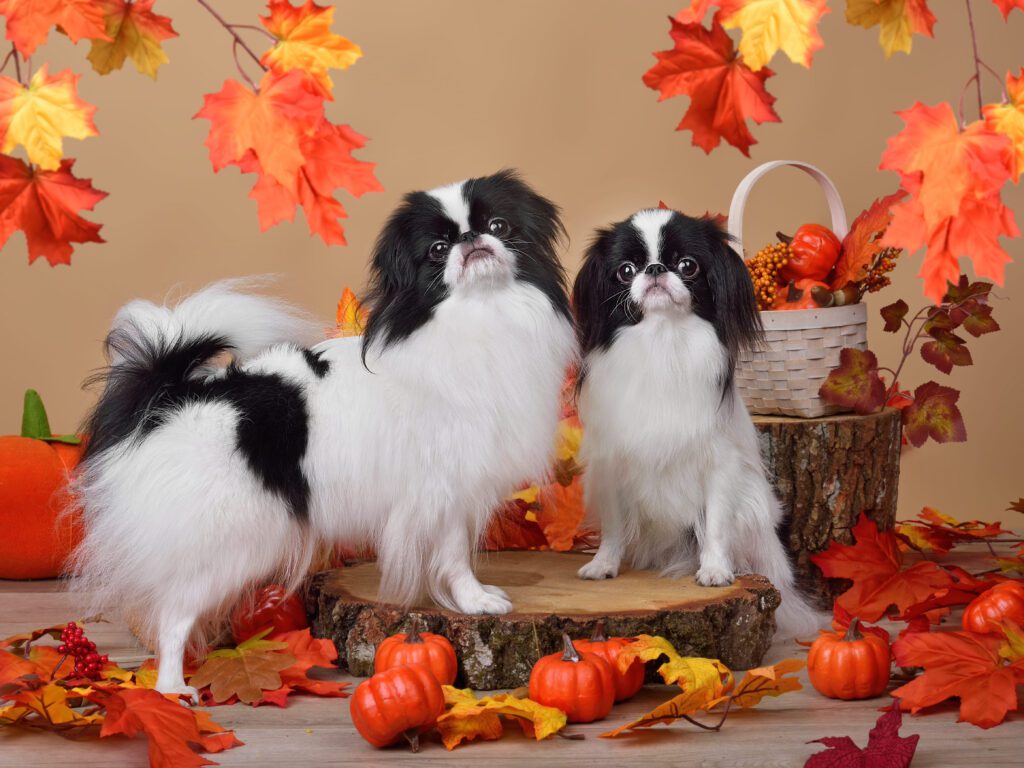
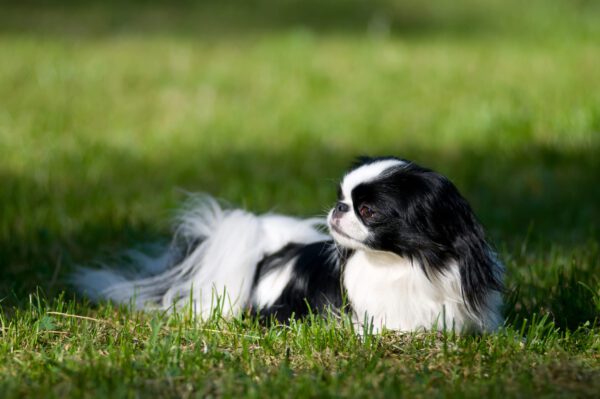
The Japanese Chin is a graceful toy companion with a soft coat, bright eyes, and a calm, affectionate nature. This breed loves gentle play, short strolls, and long naps on the couch. Many people choose the Japanese Chin because it thrives in small homes and enjoys close bonds with its family.
Research matters before you adopt. The Japanese Chin is sensitive and prefers a predictable routine. The breed has a flat face, which means it can overheat in warm, humid weather. Hawaii’s climate is beautiful but can be challenging for brachycephalic dogs, so indoor cooling, shaded walks, and careful monitoring are essential. The breed fits condo life and urban living, which are common across the islands, and it does best with short, calm outings rather than rugged hikes or long beach days.
Adoption is a kind choice because it provides a dog with a safe home while supporting the work of local shelters and rescues. Adopted dogs often come with important veterinary care already completed, which helps your new companion start strong. If you plan ahead and learn about the breed’s needs, you can adopt a Japanese Chin in Hawaii with confidence.
You can avoid searching rescues and shelters one by one by using Dog Academy to view adoption listings in one place. You can also find educational guides and adoption checklists that help you prepare for each step, from the first inquiry to the homecoming.
Start by browsing available dogs through local animal shelters, regional rescues, breed-specific rescue groups, and foster-based networks. Listings usually include photos, size, age, temperament notes, and medical details. Read carefully so you understand each dog’s needs, especially breathing tolerance, grooming needs, and social preferences.
When you find a good match, complete an application. Most applications ask about your home, daily schedule, prior dog experience, and plans for exercise and training. You may need landlord approval if you rent and veterinary references if you have had pets before. Initial review often takes 3 to 7 days, and full approval can take 1 to 3 weeks depending on the dog and the organization’s process.
Next comes a meet-and-greet. You may meet at a shelter, a foster home, or a neutral public space. If you live on a different island, the organization may arrange a virtual meet-and-greet to discuss behavior, daily care, and compatibility. Many groups also perform a home check, either in person or via video, to confirm a safe environment with secure doors, protected lanais, and reliable cooling for hot days.
Some rescues arrange transport to move dogs between locations. Transport is often arranged by rescues to move dogs between states or islands when a great match is found. Transport usually involves a flight, a safe crate, and a designated escort or airline cargo service. Hawaii maintains strict animal import rules that require advance veterinary paperwork and precise timing, and reputable groups will explain those requirements and guide you through each step.
|
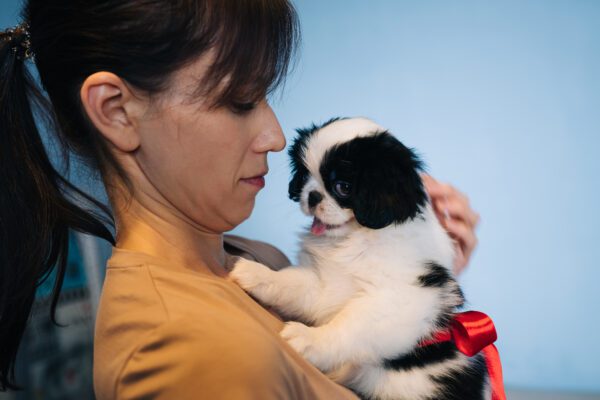
How Much Does It Cost to Adopt a Japanese Chin in Hawaii?Most adopters in Hawaii can expect a fee of $300 to $500 for a Japanese Chin. This range reflects demand for small companion breeds, higher island costs for veterinary care and supplies, and standard services included by many organizations. Adoption fees often cover spaying or neutering, vaccinations, microchipping, and veterinary exams, and some groups also include basic medications or a starter bag of food. Age, training, medical care, and demand influence the fee. Puppies and young adults with strong social skills tend to be near $450 to $500. Seniors and dogs with manageable special needs are often closer to $300 to $375. Toy breeds sometimes need dental cleanings or eye care, which can affect pricing. If transport is required, expect a separate transport fee, often $150 to $350, to cover airfare, a crate, and handling, with the exact amount based on distance and crate size. |
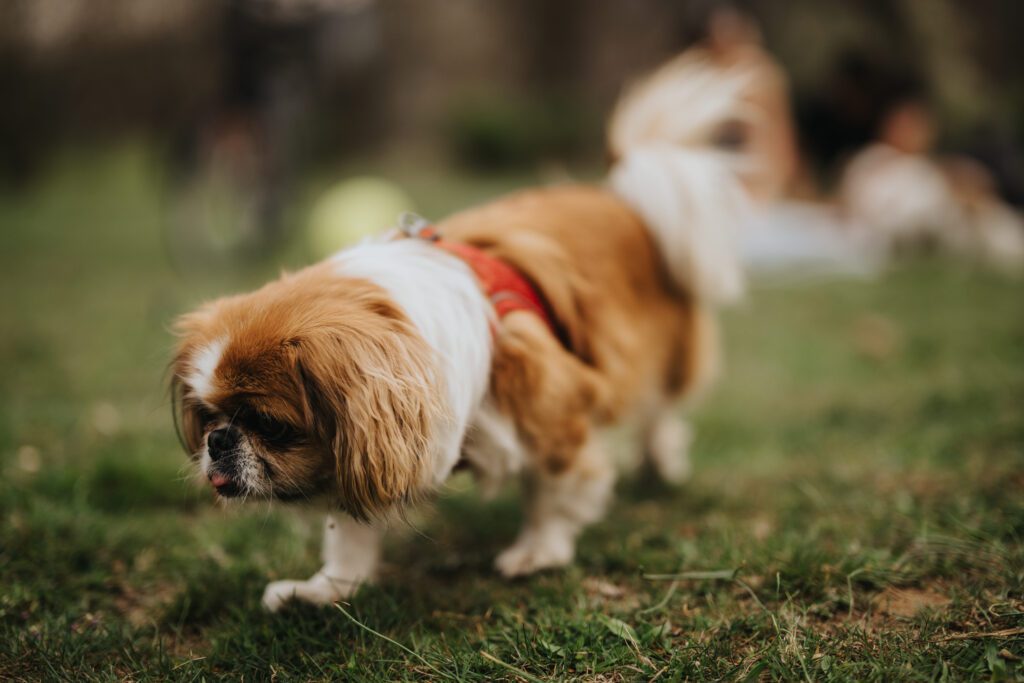
How Should I Train a Japanese Chin?The Japanese Chin is bright, sensitive, and eager to please. This breed responds best to gentle, positive reinforcement with soft voices, tasty treats, and short sessions. Keep sessions around 5 to 10 minutes and end on a success. Avoid harsh corrections because the breed can shut down when it feels pressured. House training can take extra patience with small dogs. Use a consistent schedule, frequent potty breaks, and a well-fitted crate to build reliable habits. Apartment or condo living can benefit from a designated indoor potty area or a balcony turf station that you clean often. Socialize your dog with calm introductions to people, elevators, and leashed dogs. Teach a quiet cue to manage alert barking and practice calm alone time to prevent separation issues. For structured help, explore Dog Academy’s online training courses, which offer step-by-step lessons for house training, crate training, polite walking, and confidence building tailored to small breeds. |
|
The ideal home for a Japanese Chin in Hawaii is calm, climate controlled, and routine oriented. This breed suits people who enjoy companionship, short daily walks, and gentle grooming. Plan for weekly brushing, regular nail trims, eye cleaning, and indoor cooling during hot afternoons.
Take your time, ask clear questions, and prepare your home before you apply. When you feel ready, browse listings through Dog Academy, review training resources, and move at a steady pace. With patience and preparation, you can adopt a Japanese Chin in Hawaii and enjoy a loving partnership for many years.

Introducing a new puppy to your current dog is often an exciting process, and many dogs will become fast friends and eas...
Read More
Rescue dogs can make great companions and can transform your home into something better. These dogs make great pets and ...
Read More
You should never rush to pet a dog. Even dog owners make the mistake of approaching unfamiliar dogs and petting them rig...
Read More
Puppy mill dogs are survivors who have endured extreme hardships in their lives. They have grown up in horrendous, unsan...
Read More
With their wagging tails and comforting presence, adopting a dog can add a unique touch to your life. It’s a heart...
Read More
Older dogs may have a few gray hairs around the edges, but that doesn’t mean they can’t make wonderful companions! T...
Read More