



























































































































Introducing a new puppy to your current dog is often an exciting process, and many dogs will become fast friends and eas...
Read MoreAdopt Me

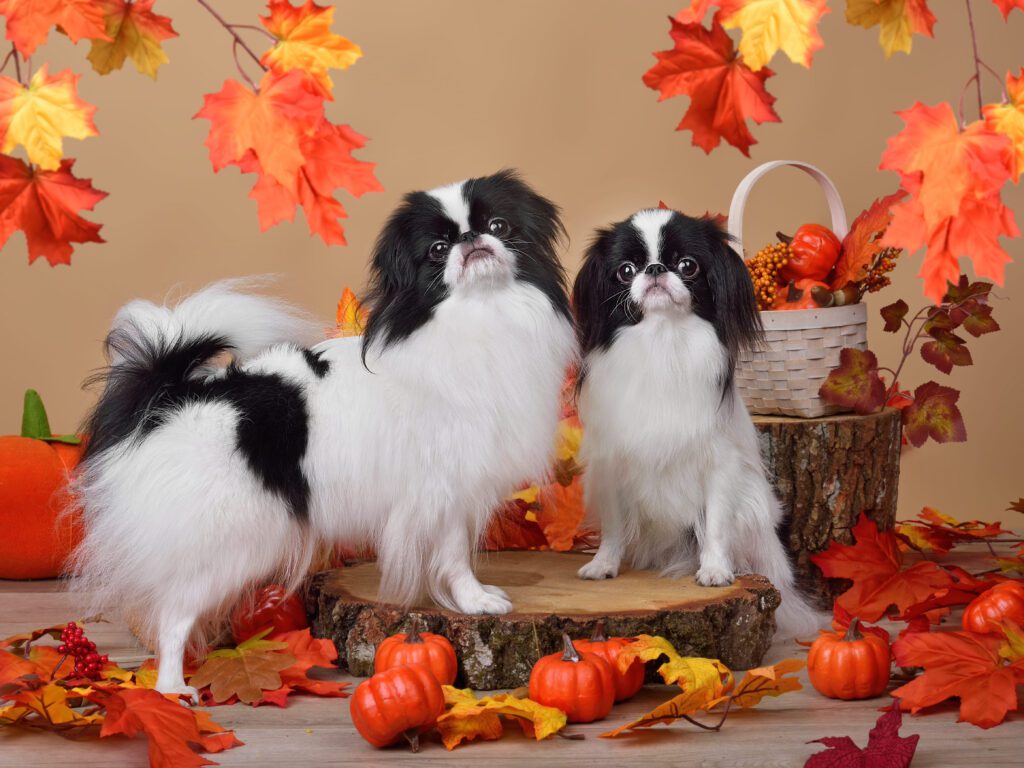

The Japanese Chin is a charming companion breed with a silky coat, expressive eyes, and a gentle, cat-like temperament. This small dog thrives on close human contact and prefers a calm home where affection and routine come first. The breed is intelligent, sensitive, and polite, which makes daily life smooth when guidance is kind and consistent. Research matters because the Japanese Chin has specific needs related to coat care, exercise, and respiratory comfort. When you understand those needs from the start, you set your future dog up for a healthy and happy life.
Adoption is a rewarding path because it gives a dog a second chance while supporting responsible animal welfare. It often includes essential veterinary care, which helps you begin with a safe baseline. Idaho presents both opportunities and challenges for this breed. Cold winters mean you should use a warm coat during outdoor breaks and keep walks short in freezing weather. Hot, dry summers require shade and indoor cooling because short muzzles reduce heat tolerance. Idaho’s mix of active outdoor living and relaxed small-town pace suits a Japanese Chin that enjoys brief strolls, quiet time at home, and close supervision in any yard or park.
You can avoid searching local animal shelters and regional rescues one by one by browsing Dog Academy for current adoption listings. The platform brings available dogs together in one place, which saves time and helps you focus on fit and readiness. You can also use Dog Academy for educational guides and adoption checklists that prepare you for each step. Beyond centralized listings, you can also check local animal shelters, regional rescues, and breed-specific rescue groups that serve Idaho and nearby states.
The process usually starts with browsing listings and reading detailed bios. Next comes an application that asks about your schedule, home setup, and experience with small companion breeds. Many groups request landlord approval when you rent and veterinary references when you have current pets. After a review, you may schedule a meet-and-greet to observe temperament, energy level, and handling comfort. Some groups conduct virtual or in-person home checks to confirm safety, including secure doors, safe stairs, and a plan for potty breaks in extreme weather. Approval timelines vary, but many families move from application to adoption within 1 to 3 weeks when communication is prompt and the match is strong.
If you do not find a Japanese Chin nearby, do not worry. Breed-focused groups sometimes arrange transport to move dogs between locations so that a great match can happen. Transport is often organized by the rescue and involves vetted drivers or approved partners who move dogs safely from the foster location to your area. When transport is involved, you should ask about health certificates, handoff procedures, and arrival timing. Always confirm the dog’s medical records, behavior notes, and any post-adoption support before finalizing the placement.
|
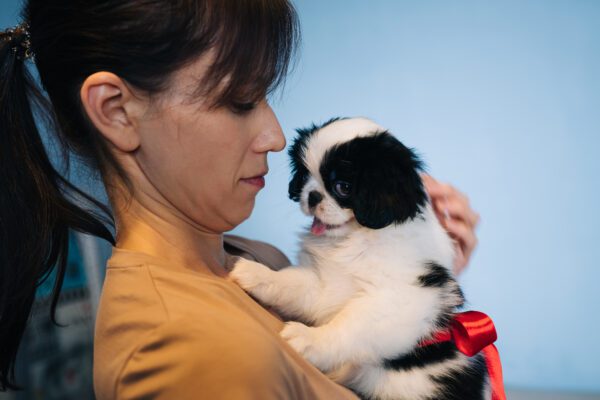
How Much Does It Cost to Adopt a Japanese Chin in Idaho?Most adopters in Idaho can expect to pay $200 to $450 to adopt a Japanese Chin. Fees trend toward the higher end for puppies and toward the lower end for seniors. Costs reflect veterinary care already provided, which often includes spaying or neutering, vaccinations, microchipping, and veterinary exams. Price can also shift based on dental work, recent grooming, or training completed in foster care. Demand affects pricing too, because small purebred companion dogs are popular. A well-documented medical history and post-adoption support can also increase the fee, which still remains far below the cost of purchasing from a breeder once you factor in initial vet care. |
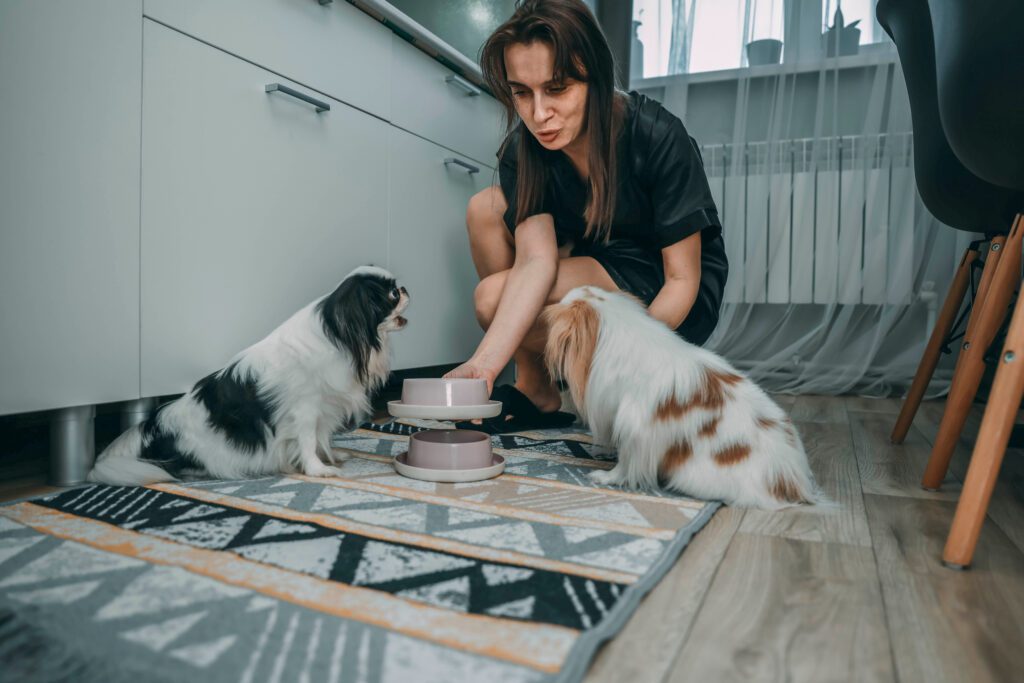
How Should I Train a Japanese Chin?The Japanese Chin is bright, affectionate, and eager to please when the training approach feels positive and low pressure. Short sessions and gentle rewards work best because this breed can shut down when corrections feel harsh. Focus on name recognition, recall, and loose-leash walking using treats and praise. House training benefits from a steady schedule and indoor potty options during extreme Idaho weather. Crate training builds confidence and safety during rest, travel, and recovery after veterinary visits. Socialization should be calm and structured so that your dog learns to greet new people and polite dogs without stress. Common challenges include sensitivity to loud environments, selective recall when distracted, and reluctance during cold or hot spells. Break training into small goals and keep sessions under 5 to 10 minutes. Protect the airway by avoiding strenuous exercise in heat and by using a comfortable harness instead of a neck collar. For step-by-step guidance at home, explore Dog Academy’s online training courses, which offer positive reinforcement plans tailored to companion breeds, plus support for manners, confidence building, and enrichment. |
|
The ideal Idaho adopter offers a stable routine, gentle handling, and an indoor lifestyle with climate control. A Japanese Chin fits well in apartments, condos, and quiet homes where short walks, playtime, and cuddles are part of every day. Prepare by gathering supplies, scheduling a wellness visit, and setting up safe spaces before your dog arrives. Take your time, ask questions, and trust the process. With thoughtful research and patience, you will adopt a Japanese Chin in Idaho that matches your rhythm and enriches your life for years to come.
Introducing a new puppy to your current dog is often an exciting process, and many dogs will become fast friends and eas...
Read More
Rescue dogs can make great companions and can transform your home into something better. These dogs make great pets and ...
Read More
You should never rush to pet a dog. Even dog owners make the mistake of approaching unfamiliar dogs and petting them rig...
Read More
Puppy mill dogs are survivors who have endured extreme hardships in their lives. They have grown up in horrendous, unsan...
Read More
With their wagging tails and comforting presence, adopting a dog can add a unique touch to your life. It’s a heart...
Read More
Older dogs may have a few gray hairs around the edges, but that doesn’t mean they can’t make wonderful companions! T...
Read More