






































































































































Introducing a new puppy to your current dog is often an exciting process, and many dogs will become fast friends and eas...
Read MoreAdopt Me


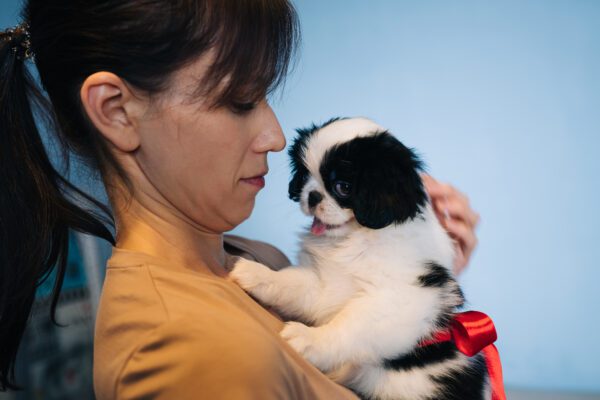
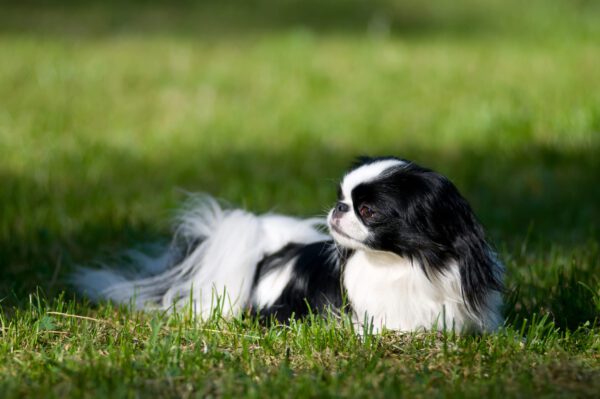
The Japanese Chin is a gentle, people-focused companion that loves quiet rooms, soft beds, and calm routines. This toy breed is affectionate and observant. Many owners describe the Japanese Chin as catlike because the breed enjoys perching on furniture and keeping watch over the home. The breed’s modest exercise needs and polite nature make it a great fit for apartments and condos.
Thoughtful research matters before you adopt. A well-matched home reduces stress for you and the dog. Adoption gives a deserving dog a second chance and often provides helpful support from knowledgeable volunteers. Many adoptable Japanese Chins come with essential veterinary care and a clear history from a foster home, which helps you prepare for a smooth transition.
Colorado’s high altitude, bright sun, and dry air can challenge a short-nosed breed. The Japanese Chin does best with climate control, short walks during cooler hours, and careful hydration. Winter snow and wind call for a warm coat and paw care, while summer heat requires shade and rest. The breed enjoys Colorado’s laid-back lifestyle when outdoor time stays gentle and brief. A Japanese Chin prefers relaxation at home over long hikes and high-intensity adventures.
You can save time by using Dog Academy to browse adoptable Japanese Chins in one place. You do not need to search rescues and shelters separately because the listings pull options from multiple sources. Dog Academy also offers educational guides and adoption checklists that help you prepare your home, budget, and schedule.
Start by checking local animal shelters, regional rescues, breed-specific rescue groups, and foster-based networks. Some Japanese Chins may appear as mixes, so read each profile carefully and look for key traits like size, coat, and temperament. Ask clear questions about health history, behavior in foster care, and daily routines, because these details help you set realistic expectations.
The process usually begins with browsing listings and submitting an application. Applications often ask about your experience, your schedule, your home setup, and your veterinarian reference. Landlord or homeowners association approval may be required for renters or communities with rules. A meet-and-greet follows when your application advances. Many groups schedule introductions with current pets to check compatibility in a neutral, low-stress setting. A home check may happen in person or through a virtual walkthrough to confirm safety, gates, and secure doors. Approval timelines vary with each case, though many adoptions in Colorado finish in 1 to 3 weeks when paperwork is complete and the dog is local. Some approvals move faster if you are responsive and your references reply quickly.
When the right match lives far away, rescues may arrange transport between locations. Transport is often organized through volunteer drivers or licensed carriers. Dogs usually travel with a health certificate and an appropriate crate for safety. Transport can add time and a modest fee, which the rescue explains in advance.
|
How Much Does It Cost to Adopt a Japanese Chin in Colorado?In Colorado, most adopters pay $300 to $500 to adopt a Japanese Chin. Puppies, recent dental procedures, or extensive medical care can raise the fee to about $550. Fees reflect the dog’s age, current training, medical history, and local demand for small companion breeds. This range is typical for a rare toy breed that often receives careful veterinary care before placement. Adoption fees commonly include spaying or neutering, vaccinations, microchipping, and veterinary exams. Some groups also provide dental cleanings for toy breeds, which increases costs but improves long-term health. Ask for an itemized summary so you understand exactly what your fee covers. |
How Should I Train a Japanese Chin?The Japanese Chin is bright, sensitive, and eager to connect with people. Short sessions and gentle guidance work best. Use food rewards, praise, and play to build trust. Marker training and clear routines help the dog understand expectations. Avoid harsh corrections because this breed shuts down in tense environments. House training can take extra patience with toy dogs, especially in cold weather. Offer frequent outdoor breaks, use a consistent schedule, and reward immediate success. A well-fitted harness protects the neck during leash walks, which helps a small, short-nosed dog breathe comfortably. Calm socialization is important. Introduce new people, elevators, wheelchairs, and quiet shops at a slow pace. Teach a cheerful recall and a solid settle cue for coffee shops or lobbies. If barking starts from alertness, redirect early with a cue and reward quiet moments. Structured guidance keeps training on track. You can follow step-by-step lessons through Dog Academy’s online training courses. Courses cover house training, polite leash skills, confidence building, and enrichment tailored to small companions. Clear homework and video guidance help you practice consistently at home. |

|
The ideal home for a Japanese Chin offers calm company, gentle handling, and short daily walks. Adults and older children who understand small-dog safety are a strong match. Regular grooming, routine dental care, and climate-aware outings keep this breed comfortable year-round in Colorado.
Take your time, ask detailed questions, and prepare your space before the meet-and-greet. When you feel ready, start with Dog Academy to review current listings and plan your next steps. Careful preparation and patient training will help your new companion settle in and thrive.
Introducing a new puppy to your current dog is often an exciting process, and many dogs will become fast friends and eas...
Read More
Rescue dogs can make great companions and can transform your home into something better. These dogs make great pets and ...
Read More
You should never rush to pet a dog. Even dog owners make the mistake of approaching unfamiliar dogs and petting them rig...
Read More
Puppy mill dogs are survivors who have endured extreme hardships in their lives. They have grown up in horrendous, unsan...
Read More
With their wagging tails and comforting presence, adopting a dog can add a unique touch to your life. It’s a heart...
Read More
Older dogs may have a few gray hairs around the edges, but that doesn’t mean they can’t make wonderful companions! T...
Read More