


























































































































































































Introducing a new puppy to your current dog is often an exciting process, and many dogs will become fast friends and eas...
Read MoreAdopt Me
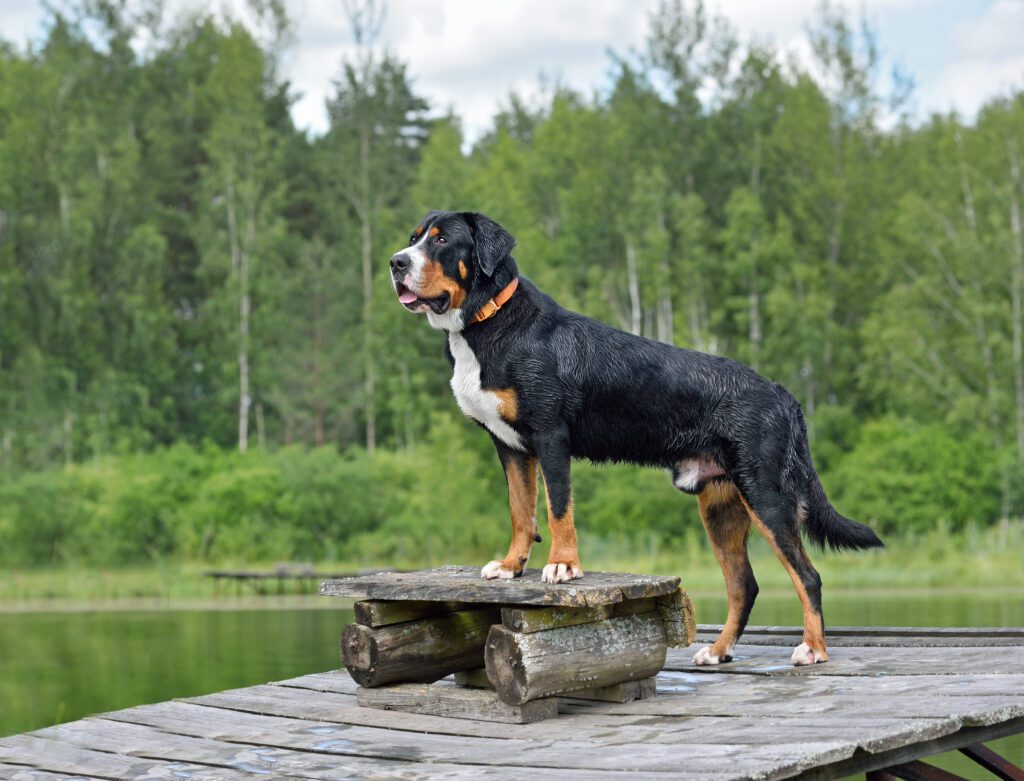


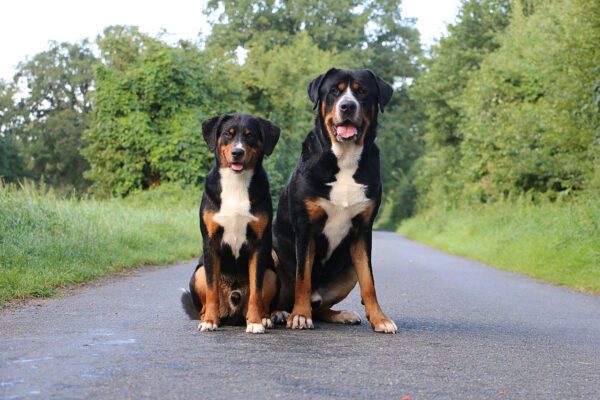
The Greater Swiss Mountain Dog is a confident, steady, and affectionate working breed. This large dog bonds closely with family, enjoys gentle play, and stays calm once mature. The breed’s loyalty and even temperament make it a wonderful companion for many homes that can manage size, strength, and consistent training.
Research matters before you adopt. Understanding exercise needs, grooming, health, and temperament helps you choose the right match and prepares you to meet lifelong commitments. Adoption is a powerful choice because it gives a deserving dog a new start, supports humane work, and often includes thorough veterinary care and behavior evaluations.
Rhode Island’s four-season climate suits this double-coated breed in winter, but summer heat and humidity require care. The coat handles snow and cold, while hot months call for shade, water, and quiet midday schedules. The state’s compact geography makes access to veterinary care and training convenient. Urban and suburban living can work when daily walks, structured play, and clear rules are in place. Homes with stairs and small yards should plan for careful leash manners and indoor enrichment to keep a big dog content and safe.
You can avoid searching for rescues and shelters separately by using Dog Academy. Browse Greater Swiss Mountain Dog listings from local animal shelters, regional rescues, breed-specific rescue groups, and foster networks in one place. Dog Academy also shares educational guides and adoption checklists that help you prepare your home, set a budget, and plan the first weeks with your dog.
Start by reading each listing closely. Confirm age, size, activity level, and temperament. Look for notes about house training, crate comfort, leash skills, and any behavior advice. Greater Swiss Mountain Dogs are large, steady workers that need patient leadership, early socialization, and clear routines. Choose a dog whose energy and training stage match your lifestyle and experience.
Next, complete the application. Most groups ask for personal references, proof of housing, landlord approval when required, and a veterinary reference. Some teams invite a virtual or in person home check to review safety, fencing, and traffic patterns in your home. Meet-and-greets usually follow, often at a shelter or foster home. Bring household members and resident dogs so staff can support calm introductions and confirm a safe fit. Approval timelines vary by group, but many adoptions in Rhode Island move forward within 1 to 3 weeks once applications and checks are complete.
If the best match is outside Rhode Island, rescues sometimes arrange transport to move dogs between states. Transport is often organized through scheduled routes that use volunteer drivers or professional carriers. Groups typically require a health certificate for interstate travel, and they may add a modest transport fee to cover fuel, supplies, and paperwork. When everyone agrees on a match, you sign the adoption contract, pay the fee, and receive records along with transition tips for the first days at home.
|
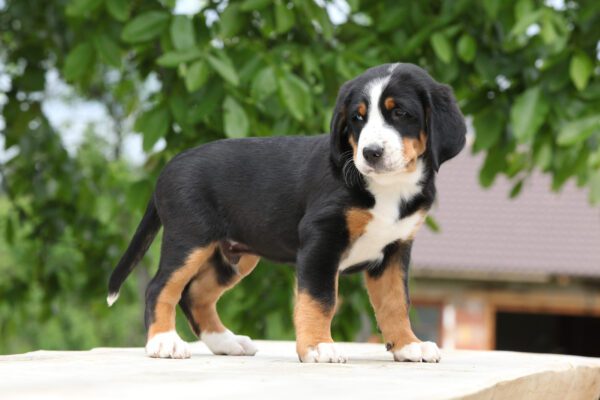
How Much Does It Cost to Adopt a Greater Swiss Mountain Dog in Rhode Island?Most adopters in Rhode Island can expect to pay $300 to $650 to adopt a Greater Swiss Mountain Dog. Fees trend toward the lower end for seniors and toward the higher end for puppies and well-socialized adults. Costs reflect age, training, recent medical care, and local demand for the breed. Fees often include spaying or neutering, vaccinations, microchipping, and veterinary exams. Many groups also provide heartworm testing, deworming, and a short supply of preventatives, which can increase the fee but reduce your initial expenses. |
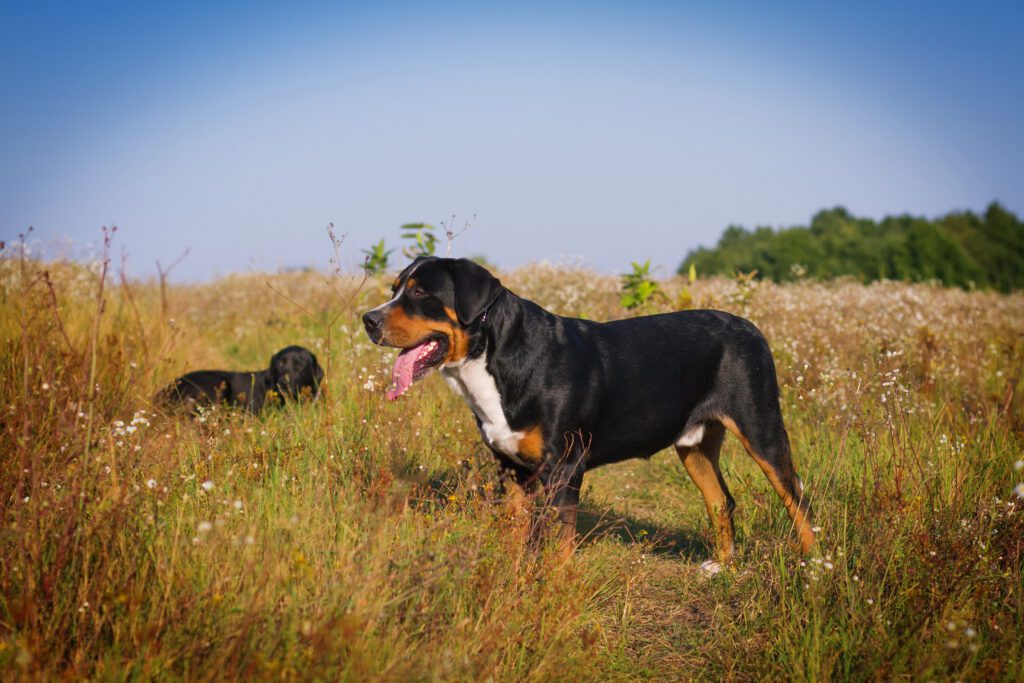
How Should I Train a Greater Swiss Mountain Dog?The Greater Swiss Mountain Dog is intelligent, people focused, and eager to please when training stays clear and consistent. The breed can be strong willed, especially during adolescence, so use positive reinforcement and reward calm choices. Keep sessions short, end on success, and practice daily life skills such as sit, down, stay, leave it, and settle. Early socialization with friendly dogs, new surfaces, and varied environments builds confidence and prevents overprotective behavior. Leash manners are essential for a 100+ pound dog. Teach loose-leash walking, impulse control at doorways, and polite greetings with people and dogs. Use a well-fitted harness if you need extra control while you build skills. Protect growing joints by limiting high-impact exercise until maturity. Offer problem-solving games, scent work, and light draft-style tasks once your veterinarian confirms readiness. For step-by-step guidance, explore Dog Academy’s online training courses. You will find structured lessons on leash skills, recall, crate training, and relaxation routines that suit large working breeds. |
|
The ideal adopter enjoys daily walks, steady routines, and calm leadership. A secure home, time for training, and comfort handling a strong dog matter as much as affection. Plan for seasonal care in Rhode Island by prioritizing heat safety in summer and traction in winter. Prepare your supplies, review your schedule, and set realistic goals for the first month. Take your time, ask thoughtful questions, and use Dog Academy resources to choose a match that fits your life for years to come.

Introducing a new puppy to your current dog is often an exciting process, and many dogs will become fast friends and eas...
Read More
Rescue dogs can make great companions and can transform your home into something better. These dogs make great pets and ...
Read More
You should never rush to pet a dog. Even dog owners make the mistake of approaching unfamiliar dogs and petting them rig...
Read More
Puppy mill dogs are survivors who have endured extreme hardships in their lives. They have grown up in horrendous, unsan...
Read More
With their wagging tails and comforting presence, adopting a dog can add a unique touch to your life. It’s a heart...
Read More
Older dogs may have a few gray hairs around the edges, but that doesn’t mean they can’t make wonderful companions! T...
Read More