




























































































































































































Introducing a new puppy to your current dog is often an exciting process, and many dogs will become fast friends and eas...
Read MoreAdopt Me
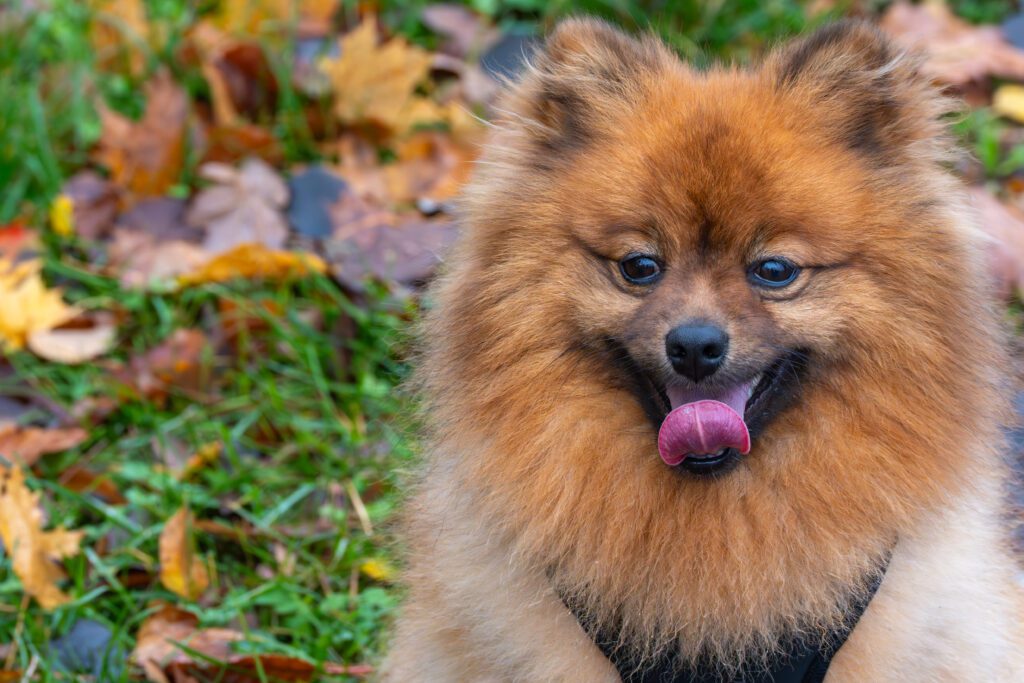
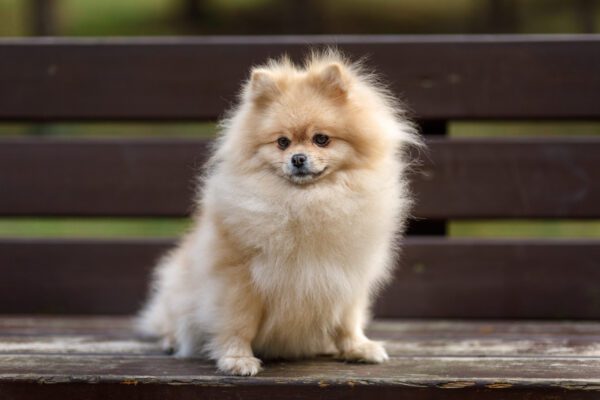
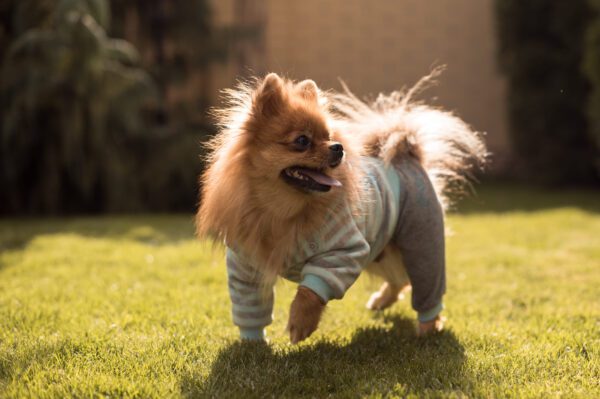
The German Spitz is lively, clever, and deeply attached to family. This small to medium spitz breed thrives on attention and play, and it wins hearts with a foxlike face, a plush double coat, and a bright, watchful nature. The breed loves to learn and enjoys short, fun training sessions that channel energy into good manners and engaging tricks.
Thoughtful research always leads to better matches. Before you adopt, learn about the breed’s exercise needs, grooming routine, vocal nature, and common health considerations. Adoption is often preferable to buying because it helps a dog in need while still giving you the chance to find a healthy, well-matched companion with known traits and history. Adopters also gain support from counselors who want to set both you and the dog up for long-term success.
New Jersey offers a solid environment for a German Spitz when you plan with local climate and lifestyle in mind. The breed’s double coat handles cold snaps well, which suits New Jersey winters. Humid summers call for shade, air conditioning, and careful exercise timing. Urban apartments, quiet suburbs, and shore communities can all work when you provide daily walks, short training sessions, enrichment games, and consistent guidance around barking and greetings.
You can avoid searching local shelters and rescues one by one by starting with Dog Academy, where you can browse German Spitz listings and learn the steps from first click to homecoming. Dog Academy also provides educational guides and adoption checklists that help you evaluate fit, prepare supplies, and plan the first weeks at home.
In New Jersey, you can find adoptable dogs through local animal shelters, regional rescues, and breed-specific rescue groups. Begin by browsing listings, reading full profiles, and noting energy level, temperament notes, health updates, and any training already in place. Reach out to request more details when you need clarity on house training, crating, or comfort with children and other pets.
Most groups use a structured application that confirms identity, housing details, landlord approval when renting, and veterinary references. After an initial review, you can expect a phone interview to discuss your routine, exercise plans, and training approach. Next comes a meet-and-greet, which helps you and the dog interact in a calm setting. Some groups also complete a home check to confirm safety, including secure fencing or a plan for on-leash exercise. Home checks can be in person or virtual, depending on the organization’s policies.
Approval timelines vary by group and dog, though many adoptions in New Jersey move from application to decision within 3 to 14 days. If a dog is fostered outside your immediate area, rescues sometimes arrange transport to move dogs between locations so that good matches can happen. Transport is often coordinated with volunteer drivers or licensed carriers, and it typically includes a veterinary health certificate that states the dog is fit to travel.
|
How Much Does It Cost to Adopt a German Spitz in New Jersey?Expect most adoption fees for a German Spitz in New Jersey to fall between $300 and $650. Dogs adopted through municipal shelters often land at the lower end of that range, while dogs placed by breed-focused rescues land toward the middle or upper end because of higher veterinary and foster care costs. Puppies with high demand and extensive vetting can reach $700, while seniors or special-needs dogs may be lower than $300 when groups offer reduced fees. Costs reflect care already provided, which often includes spaying or neutering, vaccinations, microchipping, and veterinary exams. Fees can rise with age-specific needs, prior training, dental cleanings, or treatment for conditions like skin issues or patellar luxation. Demand also affects pricing, since this breed is less common in the region and requires careful placement to manage energy and vocalization. |
How Should I Train a German Spitz?German Spitz dogs are bright and eager to engage, which makes training enjoyable when you keep sessions short, upbeat, and rewarding. They respond best to positive reinforcement that pairs clear cues with food rewards, toys, and praise. They love to perform and excel at tricks, rally-style obedience drills, and nose work games that satisfy curiosity and channel energy. Common challenges include alert barking, pushy greetings, and impulsive chasing. Prevent rehearsal by teaching quiet on cue, rewarding calm door manners, and building a solid recall. Socialize thoroughly with controlled exposures to people, friendly dogs, and varied environments. Brush handling is important because this breed has a dense coat, so pair grooming with treats to create a relaxed routine. If you want expert guidance at home, explore Dog Academy’s online training courses, which provide step-by-step lessons for house training, crate comfort, polite leash walks, and reliable recall. |

|
The ideal adopter enjoys daily interaction, provides 45 to 60 minutes of total activity split into short sessions, and values consistent training and enrichment. A German Spitz suits households that appreciate a vocal watchdog presence, commit to weekly brushing, and make time for mental games that keep a clever dog satisfied.
Prepare your home, set a realistic schedule, and give yourself time to meet more than one dog. Patience and planning lead to better matches. When you feel ready, start with trusted listings, ask detailed questions, and follow a thoughtful transition plan so your new companion settles in confidently.

Introducing a new puppy to your current dog is often an exciting process, and many dogs will become fast friends and eas...
Read More
Rescue dogs can make great companions and can transform your home into something better. These dogs make great pets and ...
Read More
You should never rush to pet a dog. Even dog owners make the mistake of approaching unfamiliar dogs and petting them rig...
Read More
Puppy mill dogs are survivors who have endured extreme hardships in their lives. They have grown up in horrendous, unsan...
Read More
With their wagging tails and comforting presence, adopting a dog can add a unique touch to your life. It’s a heart...
Read More
Older dogs may have a few gray hairs around the edges, but that doesn’t mean they can’t make wonderful companions! T...
Read More