


























































































































































































Introducing a new puppy to your current dog is often an exciting process, and many dogs will become fast friends and eas...
Read MoreAdopt Me
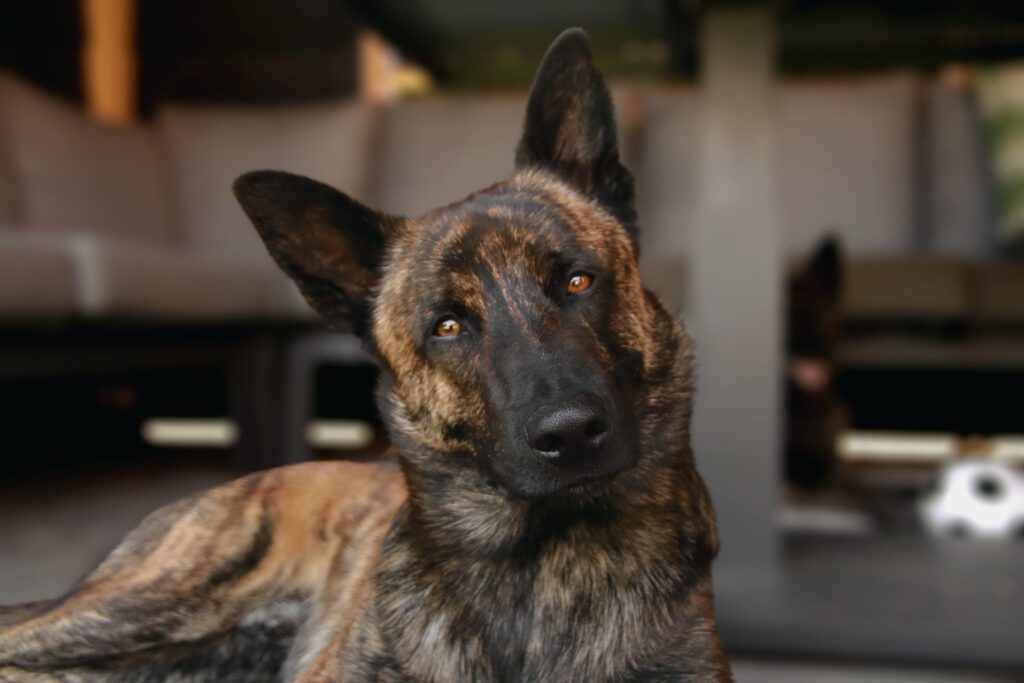


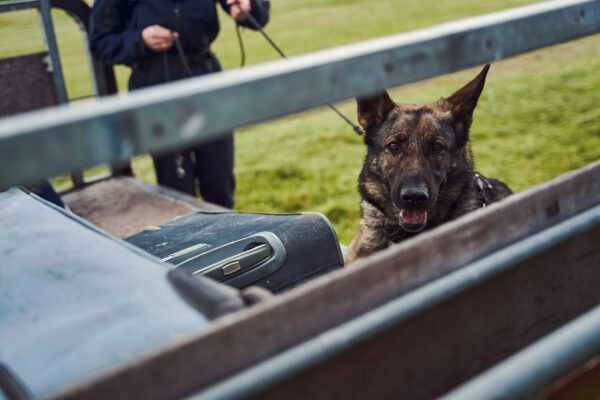
The Dutch Shepherd is an athletic, intelligent, and loyal working dog that loves having a job. This breed bonds closely with family, learns quickly, and thrives when given daily structure. A Dutch Shepherd can excel in active homes that enjoy running, hiking, and training games. Careful research before adoption helps you match this high-drive breed with your lifestyle and your environment.
Choosing adoption supports dogs already in need and reduces demand for commercial breeding. Adopting a Dutch Shepherd in Rhode Island can be a great fit for many households. Rhode Island has a compact geography that makes parks, trails, and training classes accessible with short drives. The state has four true seasons. Winters are cold with snow and ice, which a healthy Dutch Shepherd usually handles with a well-fitted coat and limited exposure. Summers are warm and humid near the coast, so early walks, shade, and fresh water are essential. Coastal sand and salt can dry paw pads, so routine rinsing and nail care matter. Apartment and city living can work when owners commit to daily exercise and structured training.
You can skip searching shelters and rescues one by one by browsing Dog Academy. Dog Academy lists adoptable dogs from multiple sources in one place, and it offers educational guides and adoption checklists that explain every step. You can also look at local animal shelters, regional rescues, and breed-specific rescue groups that serve New England. Foster-based programs often place Dutch Shepherds and Dutch Shepherd mixes that need active homes.
The process usually starts by browsing listings, reading each dog’s profile, and confirming the dog’s energy level and needs match your household. The next step is completing an application that asks about your schedule, experience with working breeds, veterinary history, and housing. Applications often require personal references and landlord confirmation for renters. Clear and complete answers help volunteers understand how you plan to meet exercise, training, and enrichment needs for a Dutch Shepherd.
After an initial review, many groups schedule a phone interview followed by a meet-and-greet. Meet-and-greets may happen at a shelter, a foster home, or a neutral location. If you have resident pets, you will be asked to bring them for careful introductions. Some groups also conduct a home check. A home check confirms safe containment, removes hazards like loose cords or toxic plants, and reviews your plan for exercise and training. A fenced yard is helpful but not mandatory when owners commit to leashed exercise and structured play. Approval timelines vary by group, but decisions in Rhode Island commonly take 1 to 3 weeks from application to adoption, depending on references, scheduling, and the dog’s needs.
Transport can expand your options. Rescues may arrange transport to move dogs between locations when a good match is found. Transport is often coordinated by volunteer drivers or licensed carriers. Dogs typically travel with a health certificate, and adopters may pay a modest transport fee to cover fuel, supplies, and safe handling. Clear communication about arrival dates, pickup times, and acclimation plans helps your new Dutch Shepherd settle smoothly after travel.

|
How Much Does It Cost to Adopt a Dutch Shepherd in Rhode Island?Expect a typical adoption fee of $350 to $650 in Rhode Island for a Dutch Shepherd or a Dutch Shepherd mix. Puppies and young purebred dogs often fall near the higher end, while adult dogs and mixes are usually lower. Prices reflect regional veterinary costs in New England and the relatively high demand for well-bred working dogs. Fees often include spaying or neutering, vaccinations, microchipping, and veterinary exams. Costs can increase when a dog receives dental work, orthopedic care, professional behavioral support, or training before placement. Prior training, such as reliable house manners or basic obedience, can raise fees slightly. Transport expenses and post-adoption support can also affect the final price. |
How Should I Train a Dutch Shepherd?The Dutch Shepherd is highly intelligent and eager to work, which makes training rewarding and fast when you provide clarity and consistency. This breed responds best to positive reinforcement with food rewards, toy play, and praise. Short, focused sessions that build success will keep attention high and reduce frustration. Clear criteria and timely rewards help the dog understand exactly which behavior earns reinforcement. Common challenges include overexcitement, mouthiness during play, and intense focus on moving targets like bikes or squirrels. Address these with impulse-control exercises, a strong recall, and loose-leash skills. Early socialization to people, dogs, sounds, and surfaces builds confidence. Daily mental work is as important as physical exercise. Use scent games, shaping games, fetch with rules, and agility-style obstacles to satisfy the working mind. Structured guidance speeds results. You can learn step-by-step skills through Dog Academy’s online training courses. Courses cover foundation obedience, leash manners, reactivity prevention, and enrichment plans tailored for energetic breeds. Consistent practice, clear boundaries, and generous reinforcement create a calm, biddable companion. |
|
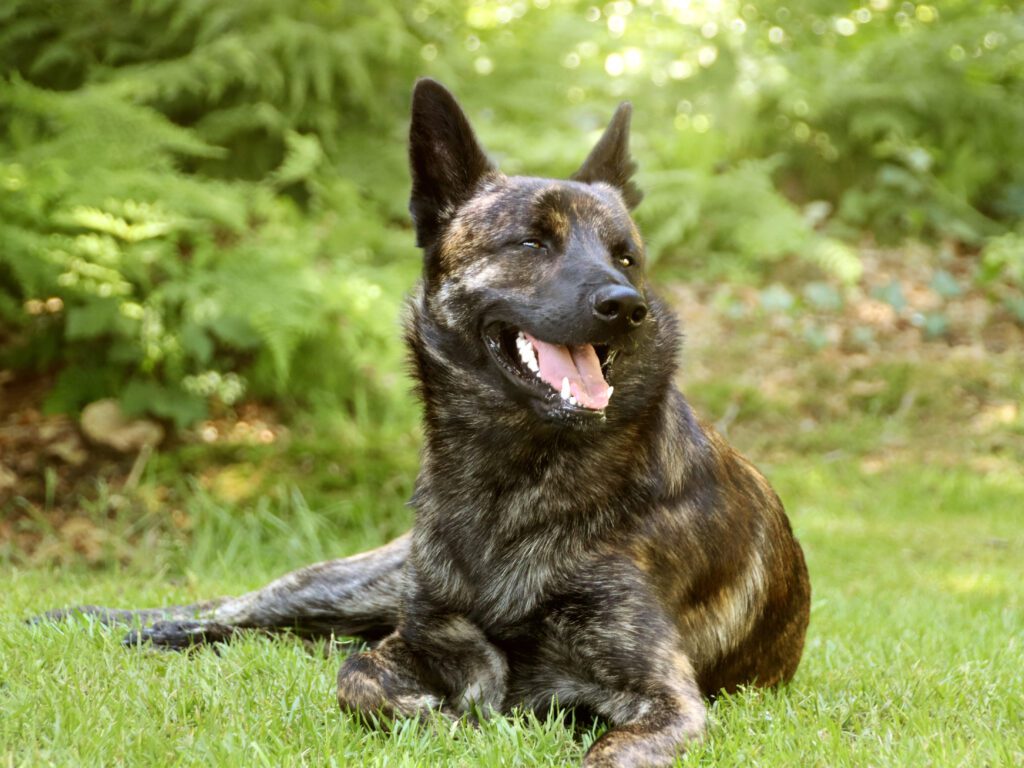
The ideal adopter enjoys daily activity, follows a training plan, and provides 60 to 90 minutes of exercise along with mental work every day. A secure yard is helpful, but a dedicated walking routine with structured play can meet needs in apartments or townhomes. Families with children can succeed when adults supervise interactions and teach gentle handling and calm greetings.
Preparation sets you up for success. Organize a crate, high-value treats, durable toys, and a schedule for potty breaks, training, and rest. Choose a veterinarian before adoption and plan for routine care. Take your time, ask questions, and review each profile carefully. When you are ready, you can use Dog Academy’s adoption listings to adopt a Dutch Shepherd in Rhode Island with confidence and care.

Introducing a new puppy to your current dog is often an exciting process, and many dogs will become fast friends and eas...
Read More
Rescue dogs can make great companions and can transform your home into something better. These dogs make great pets and ...
Read More
You should never rush to pet a dog. Even dog owners make the mistake of approaching unfamiliar dogs and petting them rig...
Read More
Puppy mill dogs are survivors who have endured extreme hardships in their lives. They have grown up in horrendous, unsan...
Read More
With their wagging tails and comforting presence, adopting a dog can add a unique touch to your life. It’s a heart...
Read More
Older dogs may have a few gray hairs around the edges, but that doesn’t mean they can’t make wonderful companions! T...
Read More