

























































































































































































Introducing a new puppy to your current dog is often an exciting process, and many dogs will become fast friends and eas...
Read MoreAdopt Me
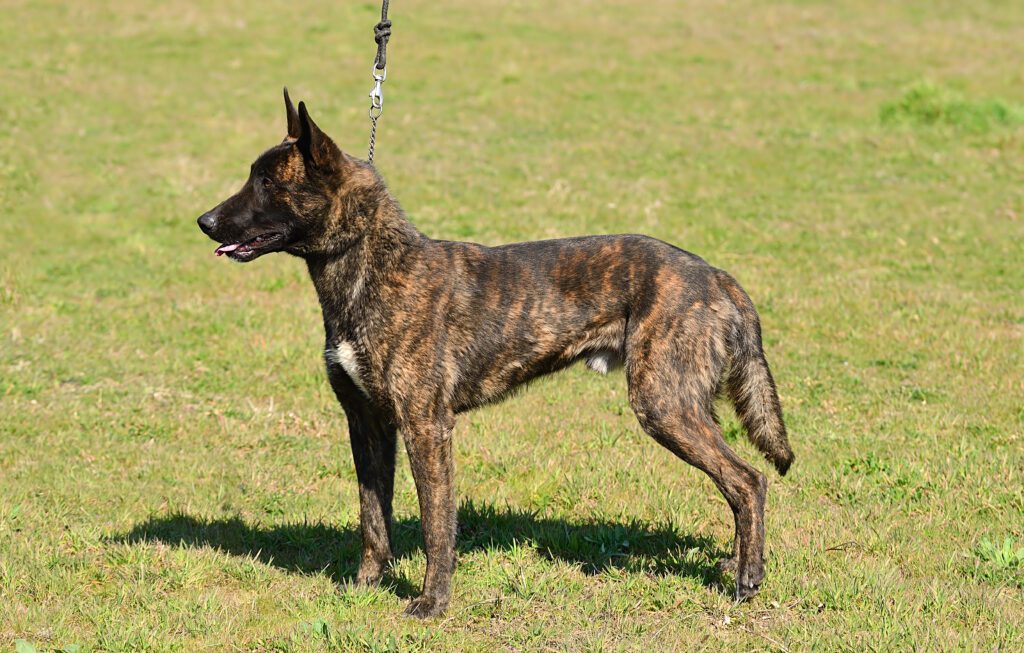
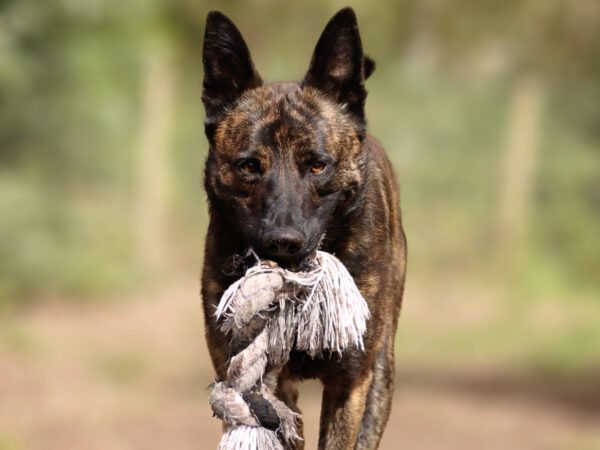
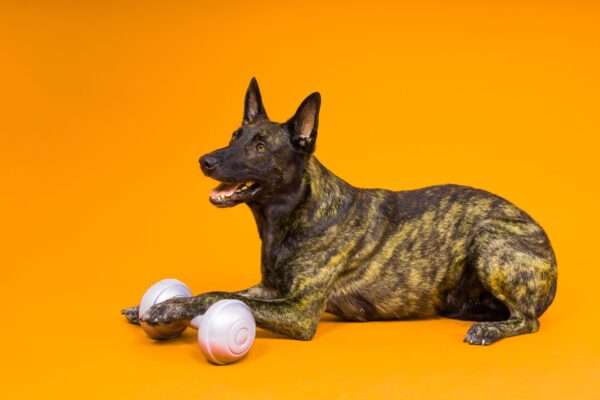
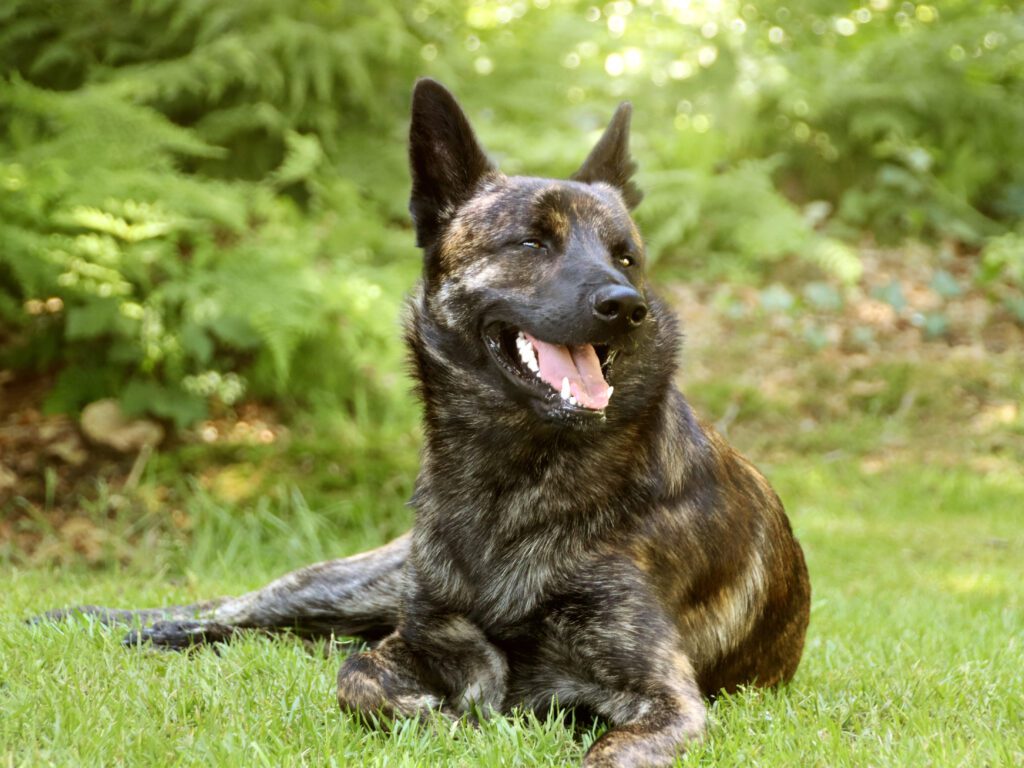
The Dutch Shepherd is a smart, athletic, and devoted companion that thrives with an engaged owner. This breed learns fast, bonds deeply, and loves purposeful activity. Careful research before you adopt helps you match energy levels, training needs, and lifestyle. Adoption gives a deserving dog a new start and often includes helpful support that makes the transition easier than buying from a breeder.
Colorado can be a great fit for a Dutch Shepherd. The state offers trails, open space, and dog-friendly communities that reward an active routine. The breed’s weather-resistant coat handles cold and snow well, while the strong sun and dry air mean you must plan shade, water, and rest during summer hikes. High altitude can slow new arrivals until they acclimate, so you should build endurance gradually and watch for signs of fatigue.
Life in Colorado ranges from urban apartments to rural acreage. A Dutch Shepherd does well in any setting when daily exercise, mental work, and structure are consistent. A secure yard, regular training sessions, and planned outlets like hiking or scent games keep this energetic herding dog content.
You can avoid searching rescues and shelters separately by using Dog Academy to browse adoption listings in one place. Dog Academy also provides educational guides and adoption checklists that explain each step, from first inquiry to bringing your dog home. You can also look at local animal shelters, regional rescues, and breed-specific rescue groups that focus on herding or working dogs.
Start by browsing listings, reading full bios, and requesting more details about energy level, temperament, and medical history. Ask about exercise needs, social history, and experience in foster homes. Dutch Shepherds are working dogs that need daily physical activity and mental tasks, so you should confirm that a dog’s drive and stamina match your routine.
Most organizations use an application that asks about your schedule, housing, fencing, and training plan. Expect landlord verification if you rent, veterinary references if you have current pets, and a background review. After your application is approved, you will schedule a meet-and-greet. Many groups require introductions with resident dogs and all household members to confirm a good fit.
Home checks are common and may be virtual or in person. The goal is to confirm safety, not perfection. Approval timelines in Colorado often range from 3 to 14 days, though complex cases can take 2 to 3 weeks based on scheduling and reference responses. Some groups offer foster-to-adopt periods that let you confirm compatibility before finalizing.
If a dog is located far away, some rescues arrange transport to move dogs between locations. Transport is often coordinated through volunteer drivers or licensed carriers and may involve health certificates and handoff points. Transport fees are usually separate from the adoption fee and are explained before you commit. Once approved, you will sign an adoption contract, pay the fee, and receive all records, including vaccines and microchip information, along with post-adoption support.
|
How Much Does It Cost to Adopt a Dutch Shepherd in Colorado?In Colorado, typical adoption fees for a Dutch Shepherd range from $350 to $600 for most adults. Puppies often range from $450 to $650 due to higher demand and initial care, while seniors commonly range from $150 to $300 to encourage placement. Fees vary by age, training, medical care, and regional demand. Foster-based groups that provide extensive rehabilitation or advanced training may be toward the top of these ranges. Fees usually include spaying or neutering, vaccinations, microchipping, and veterinary exams, which makes adoption a strong value compared to private purchase. Location within Colorado can also influence pricing. Metro areas with higher operating costs may set fees near the upper end, while smaller communities may fall near the middle. Transparent groups explain exactly what is covered so you can budget for food, training, and preventive care after adoption. |
How Should I Train a Dutch Shepherd?The Dutch Shepherd is highly intelligent and eager to work, which makes training rewarding. This breed learns quickly when you use clear cues, consistent structure, and daily practice. Short, focused sessions build engagement and reduce frustration. Positive reinforcement with food, toys, and praise keeps motivation high, especially for a dog with strong drive. Common challenges include jumping, herding nips, leash reactivity, and restless behavior when exercise and enrichment are lacking. Early socialization, impulse control, and reliable recall are essential. Crate training supports alone time and prevents destructive habits. Nose work, agility, tracking, and obedience classes give the dog a job and channel energy into good behavior. For step-by-step guidance that fits busy schedules, explore Dog Academy’s online training courses. Courses cover foundation skills, leash manners, recall, enrichment, and behavior troubleshooting. Clear lessons and practice plans help you turn a high-energy companion into a polite adventure partner. |
|
The ideal adopter leads an active life, enjoys training, and provides structure every day. A Dutch Shepherd does best with regular exercise, a thoughtful enrichment plan, and calm leadership. A secure yard is helpful, though not required when you commit to daily activity and mental work.
Preparation sets you up for success. Gather supplies, choose a veterinarian, plan training, and set a routine before your dog arrives. Take your time, meet more than one dog, and ask detailed questions. When you are ready to adopt a Dutch Shepherd in Colorado, use Dog Academy to explore listings, learn the process, and start a confident, well-prepared journey with your new partner.

Introducing a new puppy to your current dog is often an exciting process, and many dogs will become fast friends and eas...
Read More
Rescue dogs can make great companions and can transform your home into something better. These dogs make great pets and ...
Read More
You should never rush to pet a dog. Even dog owners make the mistake of approaching unfamiliar dogs and petting them rig...
Read More
Puppy mill dogs are survivors who have endured extreme hardships in their lives. They have grown up in horrendous, unsan...
Read More
With their wagging tails and comforting presence, adopting a dog can add a unique touch to your life. It’s a heart...
Read More
Older dogs may have a few gray hairs around the edges, but that doesn’t mean they can’t make wonderful companions! T...
Read More