
























































































































































































Introducing a new puppy to your current dog is often an exciting process, and many dogs will become fast friends and eas...
Read MoreAdopt Me
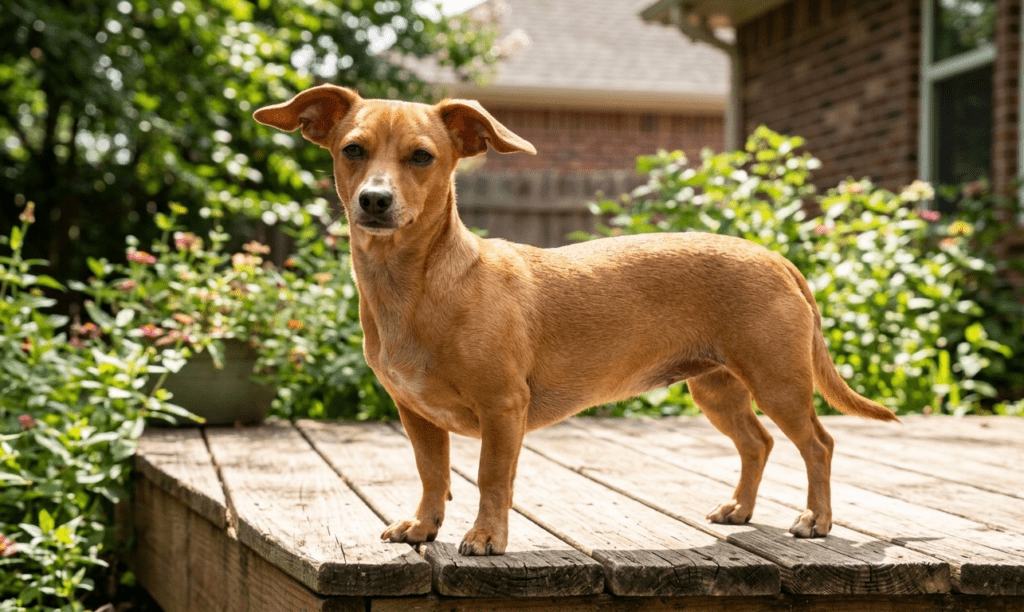
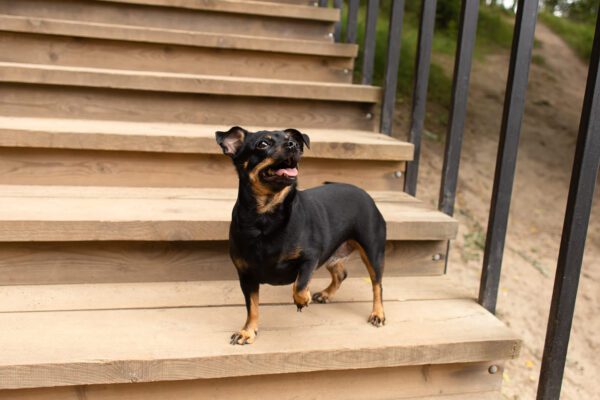
The Chiweenie blends the spunk of a Chihuahua with the playful curiosity of a Dachshund. This small companion loves to cuddle, learns quickly, and enjoys short bursts of activity. Many Chiweenies stay alert and vocal, which makes them attentive watchdogs. They bond closely with their families and often prefer a gentle approach with new people and dogs.
It is important to research the breed before you adopt a Chiweenie in Rhode Island. The mix can inherit a long back and a small frame, so it needs careful handling, safe play, and limited jumping. Adoption gives a dog a second chance while supporting community-based animal welfare. It also provides more transparency about behavior and medical history than many buying options.
Rhode Island offers a good fit for a small dog with moderate exercise needs. The state’s coastal climate brings humid summers and cold, windy winters. A Chiweenie typically handles summer walks in the early morning or evening and needs a sweater during winter outings. Urban apartments, walkable neighborhoods, and small yards suit this breed well. Weekend trips to local parks work nicely, as long as the dog stays warm, dry, and protected from slippery surfaces.
You can avoid searching rescues and shelters separately by browsing Dog Academy adoption listings. The listings gather adoptable dogs from multiple sources to save you time. Dog Academy also provides educational guides and adoption checklists that help you prepare, compare options, and plan your first weeks at home.
Start by checking local animal shelters, regional rescues, breed-specific rescue groups, and foster networks. New Chiweenies appear regularly, so set alerts where possible and review listings often. Read each profile carefully. Note age, temperament, activity needs, and any medical updates. Confirm whether the dog is comfortable with children, cats, or other dogs. Match these details to your schedule, home life, and goals.
Most organizations follow a similar process. You browse listings, submit an application, and share details about your home, routine, and experience. Many groups request landlord approval for renters and a veterinary reference for current or previous pets. If your application fits the dog, you schedule a meet-and-greet. This visit allows you to assess energy level, confidence, and handling needs. Families with resident pets typically arrange a slow introduction under guidance.
Some groups complete a home check either in person or by video. The goal is to confirm safe fencing, secure doors, and an area for rest and feeding. Approval timelines vary by group and by dog. Many decisions finalize within 1 to 3 weeks when paperwork and introductions move quickly. If you apply for a popular puppy, expect extra screening and a longer wait.
Transport is sometimes available when a dog is located in another area. Transport is often arranged by rescues to move dogs between states that have different intake levels. Coordinators schedule volunteer drivers or licensed carriers, then set a pickup point and time. Adopters usually cover a modest transport fee, and they receive health records and next-step guidance on arrival.

|
How Much Does It Cost to Adopt a Chiweenie in Rhode Island?Expect most adoption fees for a Chiweenie in Rhode Island to fall between $325 and $550. Puppies and highly social small dogs typically sit at the higher end due to demand. Adult and senior dogs often have lower fees to encourage placement. Fees reflect included care such as spaying or neutering, vaccinations, microchipping, and veterinary exams. Age, training, and medical care influence price. A dog that arrives already house trained or crate trained may carry a higher fee. Recent dental work, heartworm testing, or treatment for minor conditions can also affect cost. Fees help cover transport, foster supplies, and follow-up support, which keeps programs running for future dogs. |
How Should I Train a Chiweenie?Chiweenies are bright, food-motivated, and eager to connect. They respond best to short lessons, clear cues, and frequent rewards. Many excel with positive reinforcement that uses soft treats, play, and praise. Keep sessions under 10 minutes, practice 2 to 3 times daily, and end while the dog still wants more. Common challenges include stubborn moments, alert barking, and slow house training. Use calm management for barking by rewarding quiet, teaching a reliable settle on a mat, and increasing mental exercise through sniff walks and puzzle feeders. House training improves with a strict schedule, frequent outdoor trips, and consistent crate use. Protect the back by teaching cues like “wait” at stairs, lifting onto furniture, and providing ramps where needed. For structured guidance, explore Dog Academy’s online training courses. The lessons break skills into easy steps and include plans for foundation manners, enrichment, and confidence building. You can tailor programs for apartment living, busy schedules, and multi-pet homes. |
|
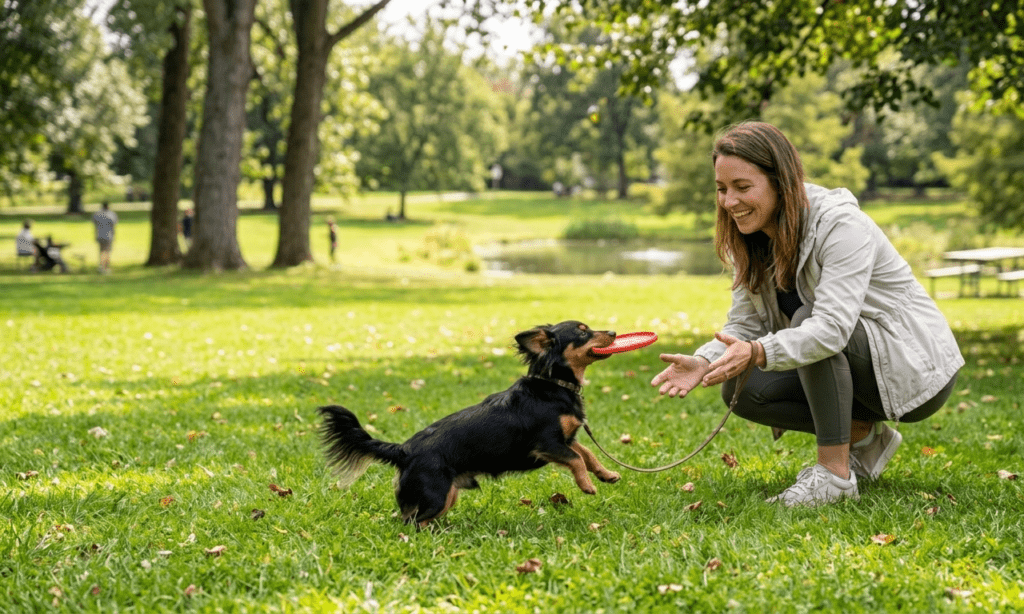
A Chiweenie thrives with adopters who want a small companion, enjoy daily walks, and appreciate cuddle time. The ideal home provides gentle handling, patient training, and regular mental exercise. Families with older children, retirees, and remote workers tend to be a strong match because they can maintain routine and supervision.
Prepare before you adopt by setting a budget, choosing a veterinarian, and gathering essentials like a crate, a harness, and weather-safe gear. Take your time, ask clear questions, and trust your match criteria. When you are ready, browse Dog Academy to find available Chiweenies and use the guides to plan a smooth first month at home.

Introducing a new puppy to your current dog is often an exciting process, and many dogs will become fast friends and eas...
Read More
Rescue dogs can make great companions and can transform your home into something better. These dogs make great pets and ...
Read More
You should never rush to pet a dog. Even dog owners make the mistake of approaching unfamiliar dogs and petting them rig...
Read More
Puppy mill dogs are survivors who have endured extreme hardships in their lives. They have grown up in horrendous, unsan...
Read More
With their wagging tails and comforting presence, adopting a dog can add a unique touch to your life. It’s a heart...
Read More
Older dogs may have a few gray hairs around the edges, but that doesn’t mean they can’t make wonderful companions! T...
Read More