










































































































































Introducing a new puppy to your current dog is often an exciting process, and many dogs will become fast friends and eas...
Read MoreAdopt Me
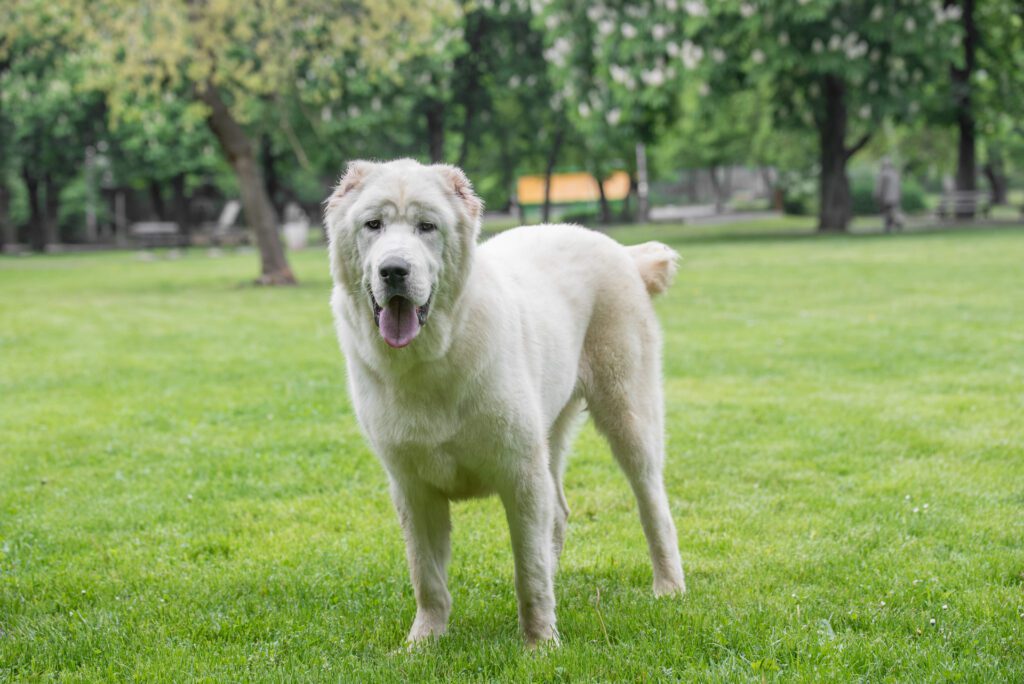


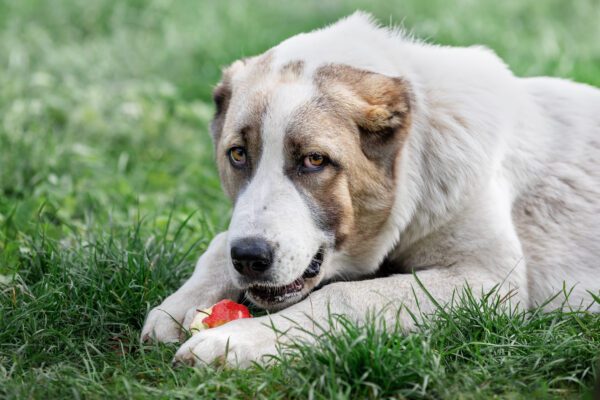
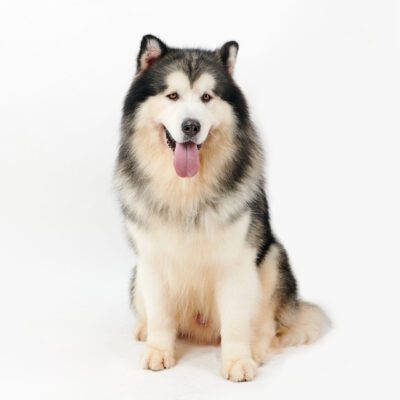
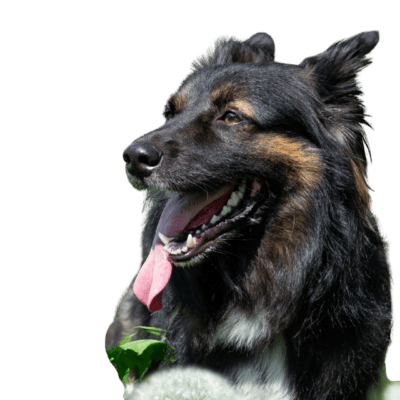
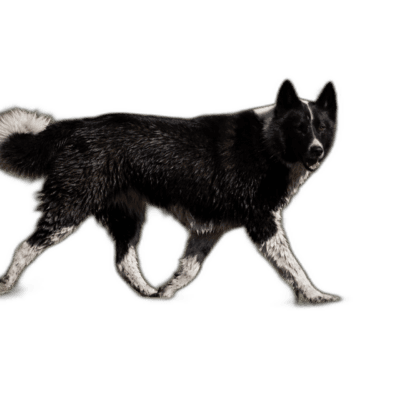
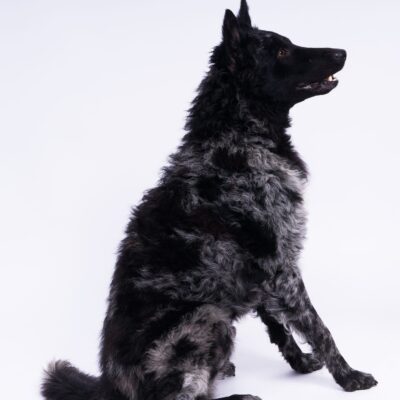
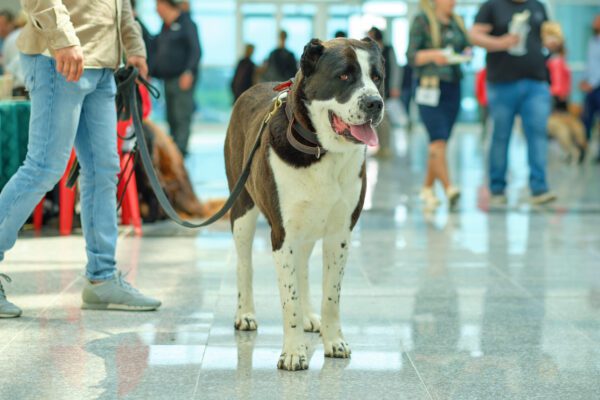
The Central Asian Shepherd is a steady, loyal guardian that bonds deeply with family and watches the home with calm confidence. The breed is independent, thoughtful, and physically powerful. Careful research matters because this dog thrives with structure, clear rules, and an owner who understands guardian instincts.
Adoption gives a deserving dog a second chance and often includes essential veterinary care, which helps you start strong. It also supports local animal welfare efforts and reduces demand for irresponsible breeding. When you adopt a Central Asian Shepherd in Rhode Island, you gain a partner that values routine, quiet spaces, and sensible leadership.
Rhode Island’s coastal climate brings cold winters with wind and snow, which this double-coated breed handles well. Summers are humid and warm, so shade, fresh water, and rest breaks are essential. The state’s compact geography and dense neighborhoods can challenge a large guardian, so a secure fenced yard and low-traffic walking routes help. Suburban or rural areas of the state often suit this breed best because they offer space, privacy, and predictable activity.
You can skip searching shelters and rescues one by one by browsing adoptable Central Asian Shepherds through Dog Academy. You can view current availability near Rhode Island and use educational guides and adoption checklists to prepare. You can also contact local animal shelters, regional rescues, breed-specific rescue groups, and foster-based networks, since this breed is uncommon and may appear across New England.
Start by browsing listings and reading each dog’s profile in full. Profiles usually explain age, temperament, health status, and suitability for homes with children or other pets. Submit an application that covers your experience, daily schedule, housing details, and veterinary references. Landlord approval is often required for renters, which means you should confirm pet policies in writing before applying.
After your application, many groups schedule a phone interview to discuss expectations and training plans. A home check often follows, which confirms safe containment, secure fencing, and a calm space for decompression. Meet-and-greets introduce the dog to your household in a controlled setting and may include slow introductions to resident dogs and a quiet walk to assess handling comfort.
Approval timelines vary. Straightforward local adoptions often finish in 3 to 14 days. Complex cases that involve behavior plans, property improvements, or travel can take longer. When a dog is located out of state, rescues may arrange transport between locations. Transport is often arranged by rescues to move dogs between states using volunteer drivers or licensed carriers. Health certificates and safe handoffs help the dog travel with minimal stress and proper documentation.
|
How Much Does It Cost to Adopt a Central Asian Shepherd in Rhode Island?In Rhode Island, most adopters can expect to pay about $300 to $550 for an adult Central Asian Shepherd through shelters or rescues. Puppies and young adolescents may range from $450 to $700 because early veterinary care and high demand add cost. Fees usually include spaying or neutering, vaccinations, microchipping, and veterinary exams. Some groups also include deworming and heartworm testing. If a dog receives orthopedic care, dental work, or formal training before placement, the fee may sit at the higher end to offset expenses. Age, training history, medical care, and regional demand affect final pricing. If transport is required, a separate transport fee may be added because moving dogs between states involves drivers, fuel, and health documentation. |
How Should I Train a Central Asian Shepherd?The Central Asian Shepherd is intelligent and observant, yet naturally independent. This dog learns best when training is clear, fair, and consistent. Use short sessions that reward calm choices with food, praise, and access to valued spaces. Teach foundation skills like sit, stay, come, place, and leash manners. Practice daily in low-distraction areas before adding new environments, new people, and new dogs. Common challenges include selective recall, territorial barking, and pushy door behavior. Address these with positive reinforcement, structured routines, and firm boundaries. Reinforce quiet when someone approaches the property, guide polite greetings at the gate, and reward relaxed body language. Manage the environment with a secure fence, a reliable leash, and safe resting zones. Early socialization that is calm and controlled is vital because this breed prefers predictable interactions over busy crowds. For step-by-step support, enroll in Dog Academy’s online training courses. You can follow lesson plans for impulse control, loose leash walking, and reliable recall. You can also build cooperative care skills that make grooming and veterinary visits smooth and stress free. |

|
The ideal owner for this breed has time for daily training, access to a secure yard, and experience with large guardians or a strong commitment to learn. A quieter household with clear routines suits this thoughtful dog well. Preparation matters because a confident guardian needs consistent guidance, respectful handling, and safe management.
Take your time, ask detailed questions, and be honest about your lifestyle. When you adopt a Central Asian Shepherd in Rhode Island with solid preparation, you set the stage for a safe, loyal partnership that lasts for years. Start by reviewing available dogs through Dog Academy, then build your plan for training, enrichment, and reliable containment before you bring your new companion home.
Introducing a new puppy to your current dog is often an exciting process, and many dogs will become fast friends and eas...
Read More
Rescue dogs can make great companions and can transform your home into something better. These dogs make great pets and ...
Read More
You should never rush to pet a dog. Even dog owners make the mistake of approaching unfamiliar dogs and petting them rig...
Read More
Puppy mill dogs are survivors who have endured extreme hardships in their lives. They have grown up in horrendous, unsan...
Read More
With their wagging tails and comforting presence, adopting a dog can add a unique touch to your life. It’s a heart...
Read More
Older dogs may have a few gray hairs around the edges, but that doesn’t mean they can’t make wonderful companions! T...
Read More