



























































































































































































Introducing a new puppy to your current dog is often an exciting process, and many dogs will become fast friends and eas...
Read MoreAdopt Me




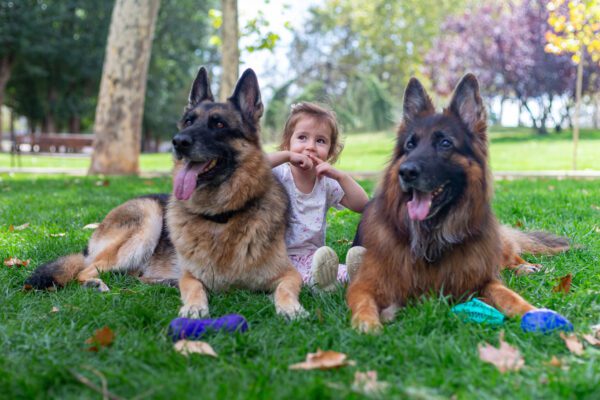
The Long-Haired German Shepherd is loyal, intelligent, and strikingly beautiful. The flowing coat adds elegance while the breed’s steady temperament makes a devoted family companion. A Long-Haired German Shepherd thrives on purpose, enjoys learning new skills, and builds deep bonds with people.
Adoption rewards careful research. A Long-Haired German Shepherd needs daily exercise, consistent training, and regular grooming. Thoughtful preparation helps you match energy level, temperament, and lifestyle to a dog that fits your home. Adoption gives a deserving dog a second chance and often provides more behavioral insight from shelter notes or foster updates than a typical purchase.
Tennessee offers a great setting for this breed when owners plan well. Summers in Tennessee are hot and humid, so a Long-Haired German Shepherd needs shade, cool water, and indoor rest during peak heat. Winters are generally mild, and the double coat offers protection on colder days. Rolling hills, wooded trails, and mountain paths create excellent spaces for structured hikes, yet urban living can work when owners commit to daily walks and mental enrichment.
You can avoid searching rescues and shelters separately by browsing adoptable dogs through Dog Academy. The listings pull options from local animal shelters, regional rescues, and breed-specific rescue groups in one place. Dog Academy also offers educational guides and an adoption checklist that help you prepare your home, plan your budget, and ask the right questions.
Prospective adopters in Tennessee typically start by reviewing online profiles and reading behavior notes. The next step is submitting an application that includes personal references, a veterinarian contact if available, and landlord approval when you rent. Many groups invite all household members to a meet-and-greet so the dog can interact with adults, children, and resident pets. A home check often follows and can be virtual or in person. The goal is to confirm safe containment, remove hazards, and set up a smooth transition. Most approvals take 1 to 3 weeks depending on the dog’s readiness, your responsiveness, and scheduling for introductions.
Some regional rescues serve wide areas and may not have a dog located near your city. In those cases, transport is often arranged by rescues to move dogs between locations. Transport can use volunteer relay drivers or licensed carriers to move dogs safely and efficiently. Groups typically coordinate timing, provide clear pickup instructions, and outline any fees that cover fuel or care during travel. You still complete the same application and adoption contract, and you receive records and supplies at handoff.
Understanding the needs of a Long-Haired German Shepherd matters at every step. Ask about energy level, reactivity to other dogs, comfort with children, and previous training. Clarify grooming needs because the long coat requires patient brushing and coat maintenance. Confirm whether the dog has separation anxiety or guarding tendencies so you can build the right training plan from day one.
|
How Much Does It Cost to Adopt a Long-Haired German Shepherd in Tennessee?In Tennessee, a realistic adoption fee for a Long-Haired German Shepherd is usually $250 to $450 for most adults and $350 to $600 for puppies. Fees in this range reflect the breed’s strong demand in the region and the typical medical and care investments made by shelters and rescues. Costs vary with age, training, medical care, and demand. Adoption fees commonly include spaying or neutering, vaccinations, microchipping, and veterinary exams. Puppies often cost more because they need multiple booster visits and frequent deworming. Well trained adults may be slightly higher when organizations invest in professional training. Dogs with ongoing medical needs may be lower to encourage placement, though adopters should budget for continued care. |
How Should I Train a Long-Haired German Shepherd?The Long-Haired German Shepherd is highly intelligent and eager to work. Most dogs learn new cues quickly and enjoy jobs that challenge the mind and body. Positive reinforcement creates confidence and trust, and it motivates the breed to offer calm, reliable behavior. Reward attention, mark the exact behavior you want, and pay with food, toys, or play. Common challenges include mouthiness, herding behaviors, leash reactivity, and boredom-related destruction. Clear structure prevents problems. Provide 60 to 90 minutes of daily exercise that balances physical activity with mental enrichment. Rotate obedience drills, scent games, and puzzle feeders. Practice calm settle routines at home so the dog can relax after activity. Desensitize brushing and nail care so grooming remains safe and pleasant for everyone. If you want a step-by-step plan, explore Dog Academy’s online training courses. Courses teach foundation skills, impulse control, loose-leash walking, and confidence building. Lessons are short, practical, and easy to use with a newly adopted dog, and support helps you troubleshoot challenges as they arise. |
|
The ideal owner for a Long-Haired German Shepherd enjoys daily activity, values structure, and has time for training and grooming. A home with a secure yard is helpful, yet an apartment can work when you commit to exercise, enrichment, and clear routines. Families with children can thrive when adults supervise interactions and teach respectful handling.
Prepare your space, set a realistic budget, and confirm a veterinary plan before you bring a dog home. Take your time, ask detailed questions, and meet more than one candidate. When you are ready to adopt a Long-Haired German Shepherd in Tennessee, use Dog Academy resources and listings to find a safe match and start your new partnership with confidence.

Introducing a new puppy to your current dog is often an exciting process, and many dogs will become fast friends and eas...
Read More
Rescue dogs can make great companions and can transform your home into something better. These dogs make great pets and ...
Read More
You should never rush to pet a dog. Even dog owners make the mistake of approaching unfamiliar dogs and petting them rig...
Read More
Puppy mill dogs are survivors who have endured extreme hardships in their lives. They have grown up in horrendous, unsan...
Read More
With their wagging tails and comforting presence, adopting a dog can add a unique touch to your life. It’s a heart...
Read More
Older dogs may have a few gray hairs around the edges, but that doesn’t mean they can’t make wonderful companions! T...
Read More