




























































































































































































Introducing a new puppy to your current dog is often an exciting process, and many dogs will become fast friends and eas...
Read MoreAdopt Me


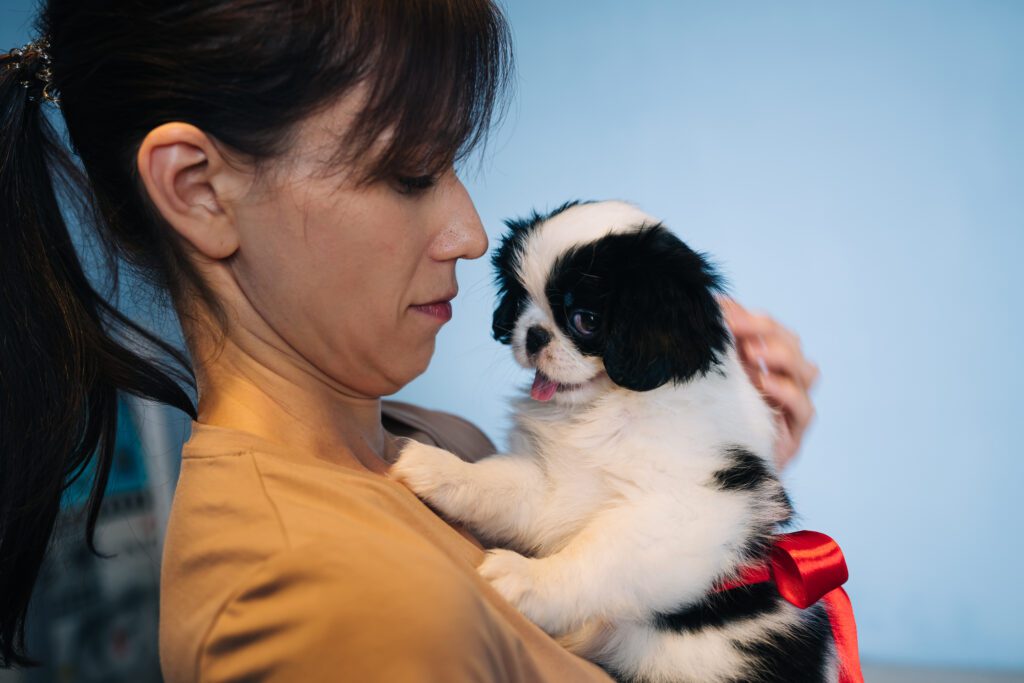
The Japanese Chin is a gentle, people-focused companion that thrives on affection and calm routines. This toy breed is bright, responsive, and elegant, with a silky coat and an expressive face. Most Chins prefer to stay close to their family and enjoy short play sessions, quiet naps, and light indoor games. Caregivers who appreciate a soft-spoken, attentive dog often find the Japanese Chin to be a perfect match.
Research matters before you adopt a Japanese Chin in New Mexico. Understanding exercise needs, grooming routines, and health considerations helps you make choices that suit your home and your schedule. Adoption offers a chance to change a life while supporting ethical rehoming. When you adopt, you gain insight from caretakers who know the dog’s personality, which helps you set clear expectations from day one.
New Mexico’s climate brings strong sun, low humidity, and significant heat in many regions. The Japanese Chin does best as an indoor dog because its short muzzle makes heat management difficult. Early morning and evening walks work well, and shaded routes help protect sensitive paws. Higher elevations can feel cooler and drier, so consistent hydration and skin care support comfort. Apartment living, townhomes, and quiet suburban homes all suit this small, low-impact breed when you provide enrichment and companionship.
You can save time by using adoption listings at Dog Academy, which lets you browse available dogs without searching shelters and rescues separately. You can also use Dog Academy’s educational guides and adoption checklists to prepare for your first week at home. If you prefer to widen your search, you can look at local animal shelters, regional rescues, or breed-specific rescue groups that serve New Mexico.
The process usually starts by browsing listings and reading each dog’s profile. Profiles often include age, size, temperament notes, and medical updates. When you find a good fit, you complete an application that explains your home setup, daily schedule, and experience with small breeds. Many organizations request personal references, a landlord approval if you rent, and a veterinarian contact to confirm pet care plans.
After application review, you are invited to a meet-and-greet. This introduction may happen at a shelter, an adoption center, or a foster home. You can ask about routine, favorite rewards, sensitivities, and house manners. A home check may follow, which can take place in person or through a virtual call to confirm safety and readiness. Approval timelines vary, but many New Mexico adopters move from application to decision within 1 to 3 weeks.
If the right Japanese Chin is located outside your immediate area, some rescues arrange transport to move dogs between cities or states. Transport is often handled by staff, vetted volunteers, or licensed carriers, and it includes planned rest stops and a health certificate when required. Coordinators explain pickup points and schedules so you can prepare a calm arrival at home.

|
How Much Does It Cost to Adopt a Japanese Chin in New Mexico?Most adopters in New Mexico can expect a Japanese Chin adoption fee in the $200 to $450 range. Fees reflect the dog’s age, medical history, and current demand for small companion breeds. Puppies and young adults often sit at the higher end, while seniors and special-needs dogs may be lower to encourage placement. Adoption fees typically include spaying or neutering, vaccinations, microchipping, and veterinary exams. Costs may rise if the dog received dental work, diagnostics, or specialized medications before placement. Prior training and documented house manners can also influence fees because they reduce the support an adopter will need after placement. |
How Should I Train a Japanese Chin?The Japanese Chin learns quickly with gentle, reward-based methods. This breed responds best to short sessions, clear cues, and high-value treats. Praise and calm handling build confidence, which supports reliable skills in new settings. House training improves when you set a frequent potty schedule, use a crate as a safe resting space, and reward outdoor success every time. Common challenges include sensitivity to loud voices, stubborn moments during recalls, and inconsistent house training in extreme heat. Keep lessons indoors during hot afternoons and practice recalls on a long line for safety. Socialization should be calm and steady to prevent timidity. To structure your plan step by step, explore Dog Academy’s online training courses, which provide practical guidance for manners, crate comfort, polite leash walking, and enrichment games that suit small companion dogs. |
|
The ideal home for a Japanese Chin offers steady companionship, gentle handling, and a predictable routine. Adults who work from home, retirees, or families with older children often provide the calm environment this breed enjoys. Daily enrichment can be simple, such as puzzle feeders, soft fetch in a hallway, and short neighborhood strolls during cooler hours.
Preparation sets you up for success. Gather essentials like a well-ventilated crate, a lightweight harness, a soft brush, food and water bowls, and floor-safe gates. Take time to research, ask detailed questions, and wait for the right match. When you adopt a Japanese Chin in New Mexico with patience and care, you give a devoted companion the second chance it deserves and welcome a loving friend into your life.

Introducing a new puppy to your current dog is often an exciting process, and many dogs will become fast friends and eas...
Read More
Rescue dogs can make great companions and can transform your home into something better. These dogs make great pets and ...
Read More
You should never rush to pet a dog. Even dog owners make the mistake of approaching unfamiliar dogs and petting them rig...
Read More
Puppy mill dogs are survivors who have endured extreme hardships in their lives. They have grown up in horrendous, unsan...
Read More
With their wagging tails and comforting presence, adopting a dog can add a unique touch to your life. It’s a heart...
Read More
Older dogs may have a few gray hairs around the edges, but that doesn’t mean they can’t make wonderful companions! T...
Read More