




























































































































Introducing a new puppy to your current dog is often an exciting process, and many dogs will become fast friends and eas...
Read MoreAdopt Me
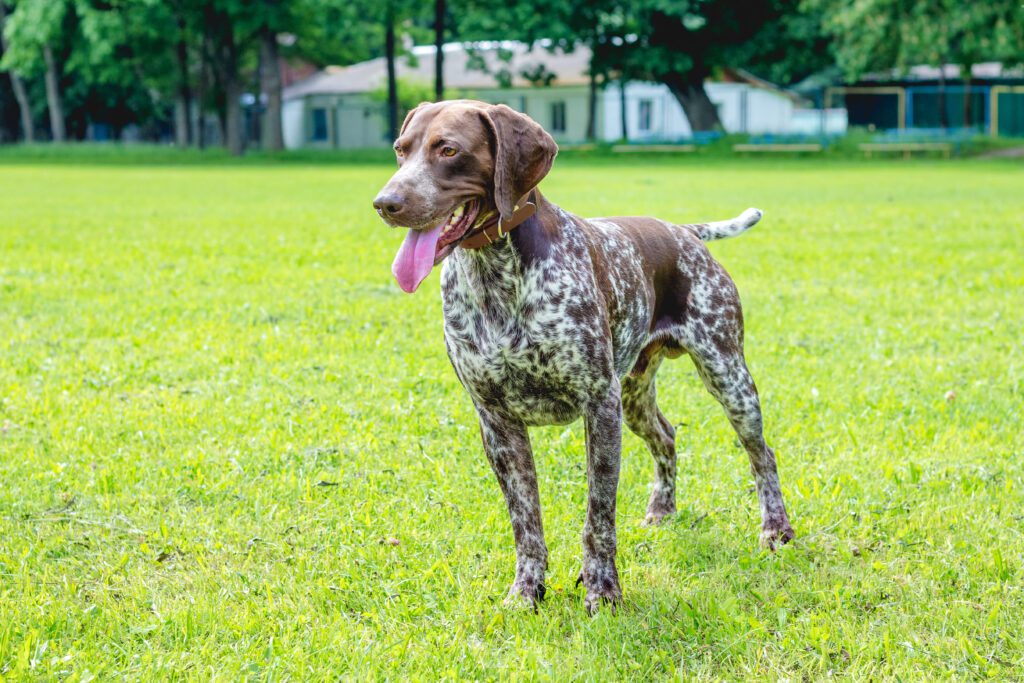


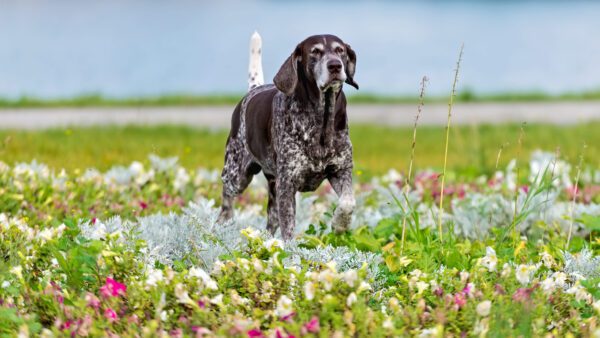
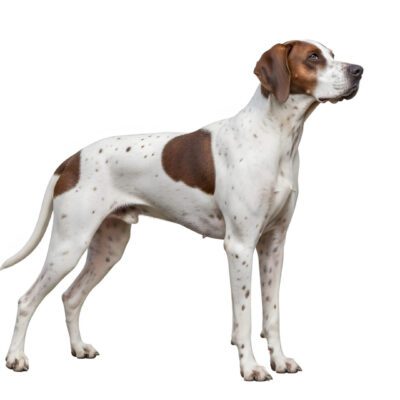
The German Shorthaired Pointer is athletic, affectionate, and eager to learn. This breed thrives with active people who enjoy hiking, running, or long days outside. A well-socialized German Shorthaired Pointer bonds closely with family and brings energy and enthusiasm to every adventure.
It is important to research before you adopt. Adoption gives a dog a second chance and helps reduce overcrowding in shelters. Adopted dogs usually come vetted and supported with behavioral notes that help you prepare. Choosing adoption over buying supports responsible care, puts your dollars toward animal welfare, and often includes helpful post-adoption guidance.
New Mexico offers wide open spaces, mountain trails, and bright high-desert sunshine. The climate can be hot and dry in summer, with cooler nights at elevation. A German Shorthaired Pointer can thrive here with early-morning exercise, steady hydration, and paw protection on rough terrain. Apartment living can work if you provide daily vigorous exercise and mental enrichment, but access to safe outdoor areas makes life easier for this energetic breed.
You can skip searching rescues and shelters one by one by using Dog Academy’s adoption listings. Browse available German Shorthaired Pointers, save favorites, and access checklists and education in one place with Dog Academy. You can also find helpful adoption guides and planning resources at Dog Academy. In addition to these listings, local animal shelters, regional rescues, and breed-specific rescue groups in and around New Mexico regularly post adoptable dogs.
The process usually starts by browsing listings and reading each dog’s profile. When you find a match, submit an application that explains your home, schedule, and experience. Many groups request references, proof of housing, and landlord permission if you rent. Next comes a meet-and-greet to confirm compatibility with you and any resident pets. Some organizations complete a home check to confirm safe fencing, secure gates, and a calm space for decompression. Approval timelines vary by group and by the dog’s needs, and they often range from a few days to a few weeks.
After approval, you sign an adoption agreement and pay the fee. Some groups offer a foster-to-adopt period, which lets you confirm fit before finalizing. If the right dog is outside your immediate area, transport may be available. Transport is a coordinated trip that moves dogs between locations using volunteer drivers or trusted carriers, and rescues arrange it to place dogs safely in qualified homes. Transport usually requires scheduling and may add a modest fee to cover fuel or logistics.
|
How Much Does It Cost to Adopt a German Shorthaired Pointer in New Mexico?In New Mexico, the typical adoption fee for a German Shorthaired Pointer ranges from $250 to $500. Public shelters often list adult German Shorthaired Pointers around $150 to $350, while rescue groups in the region commonly ask $300 to $600. Fees reflect included care such as spaying or neutering, vaccinations, microchipping, and veterinary exams. Many organizations also provide deworming and a starter bag of food, which helps you transition the dog smoothly. Several factors influence price. Puppies and young adults usually cost more due to higher demand. Dogs with completed basic training or recent veterinary care may carry higher fees because that investment reduces your immediate costs at home. Seniors or dogs with ongoing medical needs may have reduced fees to encourage adoption. Local demand can also affect pricing, especially during peak outdoor seasons when active families search for sporting breeds. |
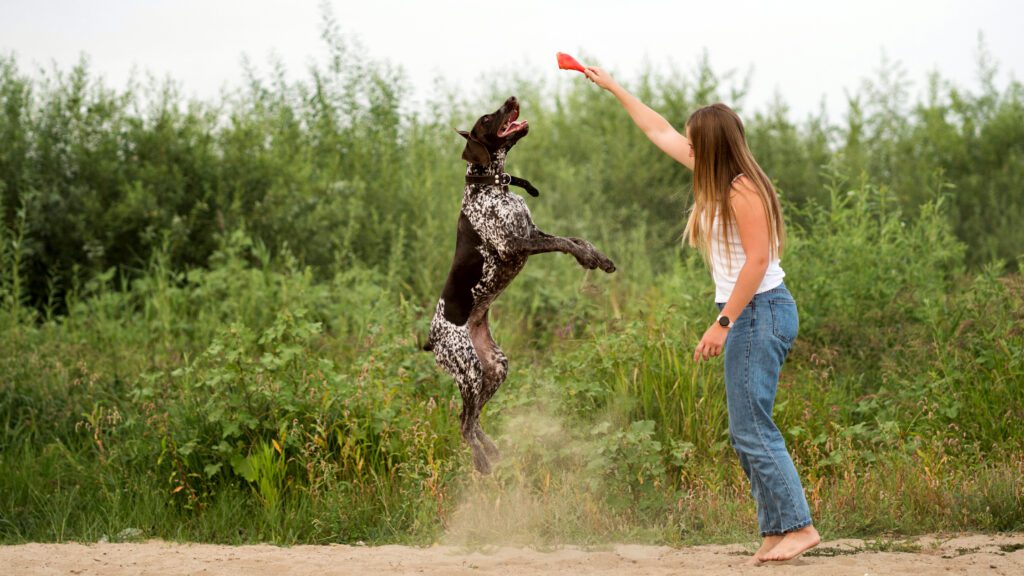
How Should I Train a German Shorthaired Pointer?The German Shorthaired Pointer is intelligent, curious, and highly trainable. This breed learns quickly when lessons are short, upbeat, and consistent. Positive reinforcement builds trust and focus, and it helps channel the dog’s energy into good habits. Common challenges include impulse control, mouthy play, and a strong prey drive. Start early with recall, loose-leash walking, and leave-it. Provide daily outlets like scent games, structured fetch, and problem-solving toys to prevent boredom. Avoid harsh corrections, reward calm behavior, and practice relax-on-mat to teach the off switch that this breed needs in the home. If you want expert guidance you can use anywhere, try Dog Academy’s online training courses. You can follow step-by-step lessons for recall, leash skills, crate comfort, and polite greetings. Clear plans and video demonstrations help you create a reliable routine for a high-energy dog. |
|
The ideal adopter enjoys daily exercise, consistent training, and time outdoors. A fenced yard or easy access to safe trails helps, but commitment matters most. Prepare your home with secure gates, a sturdy crate, and enrichment toys that keep a busy mind satisfied.
Take your time, ask detailed questions, and review each dog’s energy level and history. With solid preparation and patient training, you can adopt a German Shorthaired Pointer in New Mexico and build a partnership that fits your lifestyle and the state’s adventurous spirit.
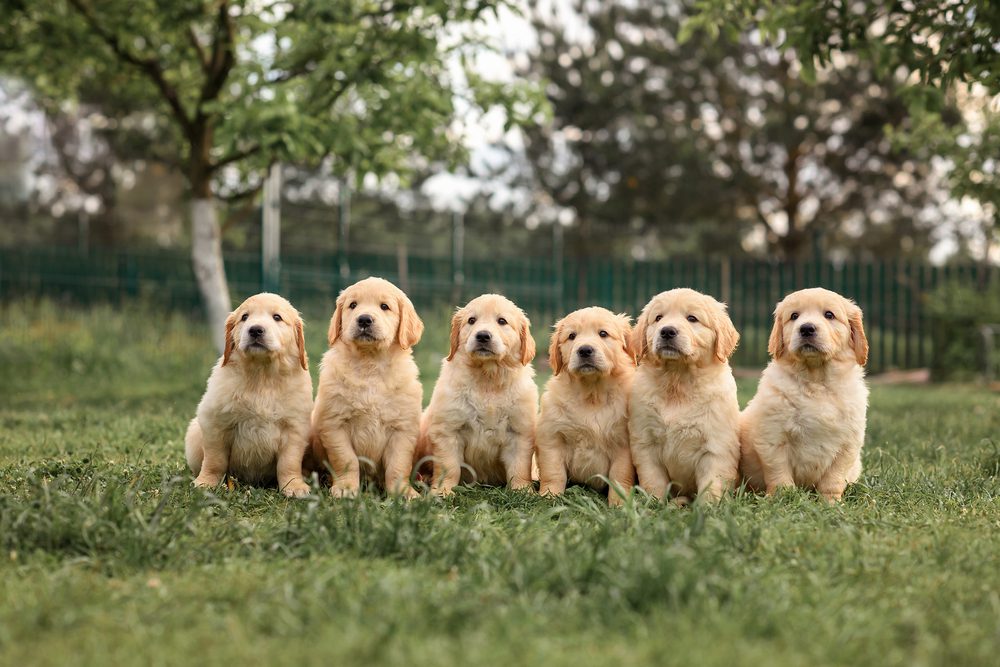
Introducing a new puppy to your current dog is often an exciting process, and many dogs will become fast friends and eas...
Read More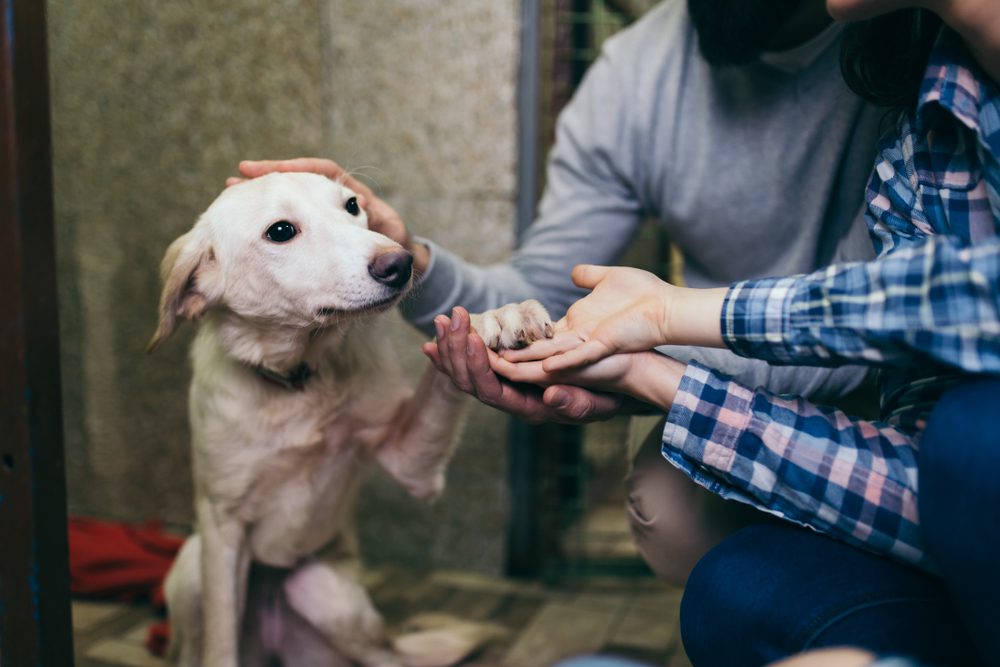
Rescue dogs can make great companions and can transform your home into something better. These dogs make great pets and ...
Read More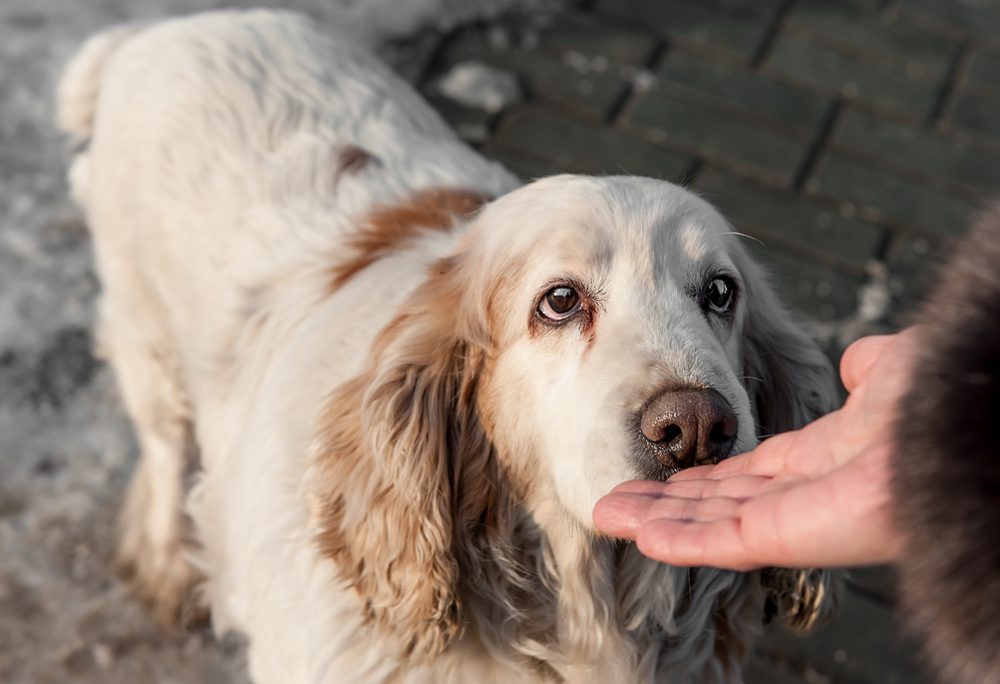
You should never rush to pet a dog. Even dog owners make the mistake of approaching unfamiliar dogs and petting them rig...
Read More
Puppy mill dogs are survivors who have endured extreme hardships in their lives. They have grown up in horrendous, unsan...
Read More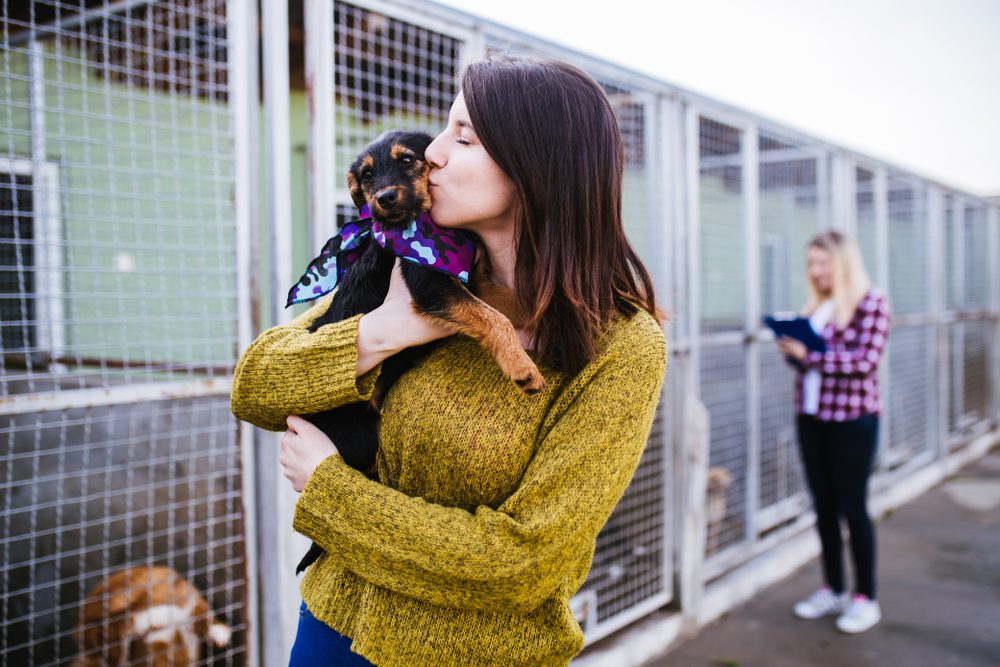
With their wagging tails and comforting presence, adopting a dog can add a unique touch to your life. It’s a heart...
Read More
Older dogs may have a few gray hairs around the edges, but that doesn’t mean they can’t make wonderful companions! T...
Read More