



























































































































































































Introducing a new puppy to your current dog is often an exciting process, and many dogs will become fast friends and eas...
Read MoreAdopt Me


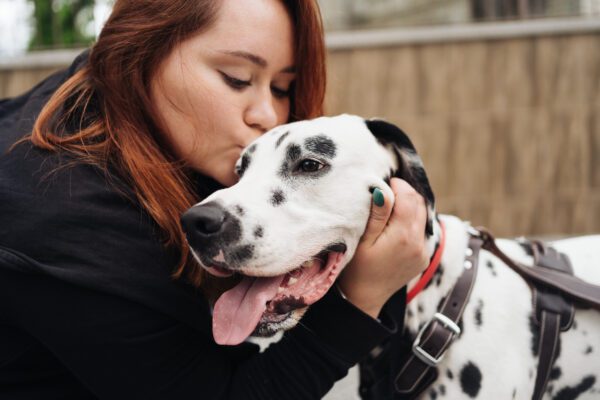
Dalmatians are energetic, athletic, and people focused. The breed is known for a striking spotted coat, a bright mind, and a strong desire to stay close to the family. A Dalmatian thrives when daily exercise, clear structure, and consistent attention are part of the routine. The breed suits active Tennesseans who enjoy running, hiking, or long walks and who can offer engaging training.
Thoughtful research sets every adoption up for success. Adoption helps a dog in need and gives you a companion whose initial veterinary care is often complete. Responsible adopters study breed traits such as high stamina, sensitive skin, and a predisposition to hearing loss and urinary stones. Tennessee’s climate can challenge a short-coated dog. Summers are hot and humid across much of the state, so a Dalmatian needs shade, water, and rest during midday. Winters in higher elevations can feel cold, so a light jacket and shorter outings may help. Tennessee also offers greenways, suburban neighborhoods, and scenic trails that make daily exercise easy when the weather cooperates.
Choosing adoption over buying supports animal welfare and usually includes post-adoption guidance. Many organizations provide training advice and health records, which helps new owners build confidence from day one. When you match this support with an honest assessment of your schedule and activity level, you create the stable foundation a Dalmatian needs to shine.
You can skip separate searches of shelters and rescues by browsing adoptable Dalmatians through Dog Academy. Dog Academy organizes listings in one place and provides educational guides and adoption checklists that explain each step from application to homecoming. Centralized listings save time and make comparisons simple, which helps you choose a dog that fits your lifestyle.
Adoptable Dalmatians in Tennessee appear through local animal shelters, regional rescues, and breed-specific rescue groups. Some dogs live in foster homes, and others wait in shelter kennels. Start by reading each dog’s profile. Focus on age, energy level, medical notes, and the type of home the organization recommends. Ask questions about social history, house manners, and any training already in place, because this information will help you plan your first weeks together.
Most organizations use a clear application process. You submit an online form, provide personal and veterinary references, and share proof of housing approval when you rent. After an initial review, coordinators schedule a meet-and-greet to see how you and the dog connect. If you have resident pets, the meeting usually includes slow introductions with guidance. Many groups perform a home check, either virtual or in person, to confirm safe fencing, secure doors, and a setup for feeding, rest, and bathroom breaks. Approval timelines vary by group and volunteer capacity, though many adoptions in Tennessee move from application to decision in about 3 to 14 days.
Some rescues arrange transport to move dogs between locations when a good match exists outside the immediate area. Transport is often organized by volunteer drivers or licensed carriers who meet adopters at set handoff points. Modest transport fees may apply and timing depends on driver availability and weather. Ask for a detailed schedule and a written breakdown of any added costs so you can plan pickup with confidence.
|
How Much Does It Cost to Adopt a Dalmatian in Tennessee?Most adopters in Tennessee can expect a Dalmatian adoption fee in the range of $250 to $450. Puppies and young adults tend to sit at the higher end because demand is strong and initial care is more extensive. Mature dogs with established manners can fall near the lower end. Fees reflect what the organization has invested in the dog, which often includes spaying or neutering, vaccinations, microchipping, and veterinary exams. Many groups also cover deworming, heartworm testing, and hearing screening when available, and these services can influence the final fee. Age, prior training, and medical history affect pricing. Dogs that complete basic training or recover from recent medical care often carry slightly higher fees because the organization has absorbed those costs. High demand for a specific look, such as a classic black-spotted coat, can also affect price. Always request an itemized explanation of what is included so you understand the value and can budget for supplies, training, and future veterinary care. |
How Should I Train a Dalmatian?Dalmatians are intelligent, athletic, and eager to learn, which makes training rewarding when you stay consistent. The breed responds best to positive reinforcement, clear markers, and frequent rewards for calm behavior. Short sessions, delivered several times a day, help this active dog focus without frustration. Every success should earn praise, food, or play so the dog links polite choices with good outcomes. Common challenges include jumping to greet, pulling on leash, and restless pacing when exercise is limited. Prevent problems with a routine that blends physical and mental work. Plan daily walks, structured sniffing sessions, and simple games that encourage impulse control. Teach cues like sit, down, stay, leave it, and settle on a mat to build manners at home and in public. Early socialization to new sounds, friendly dogs, and respectful children helps a Dalmatian grow into a confident companion. If you want step-by-step support, explore Dog Academy’s online training courses. Course plans cover basics, leash skills, impulse control, and enrichment ideas that fit a busy Tennessee routine. Clear lessons keep training positive and practical so you can build reliable behavior that lasts. |

|
The ideal adopter enjoys daily activity, sets kind boundaries, and makes time for training and enrichment. A Dalmatian does well with runners, hikers, or families who commit to structured play and steady routines. Apartments can work when you plan several quality walks and provide mental stimulation every day. Homes with yards make exercise easier, but supervision and secure fencing still matter.
Preparation leads to a smooth transition. Gather supplies, review breed health needs, and set a training plan before pickup. Take your time, ask thoughtful questions, and use trusted resources. When you are ready to adopt a Dalmatian in Tennessee, browse listings, read guides, and move at a pace that puts the dog’s well-being first. Patience and planning will help you welcome the right companion for the long run.

Introducing a new puppy to your current dog is often an exciting process, and many dogs will become fast friends and eas...
Read More
Rescue dogs can make great companions and can transform your home into something better. These dogs make great pets and ...
Read More
You should never rush to pet a dog. Even dog owners make the mistake of approaching unfamiliar dogs and petting them rig...
Read More
Puppy mill dogs are survivors who have endured extreme hardships in their lives. They have grown up in horrendous, unsan...
Read More
With their wagging tails and comforting presence, adopting a dog can add a unique touch to your life. It’s a heart...
Read More
Older dogs may have a few gray hairs around the edges, but that doesn’t mean they can’t make wonderful companions! T...
Read More