



























































































































































































Introducing a new puppy to your current dog is often an exciting process, and many dogs will become fast friends and eas...
Read MoreAdopt Me

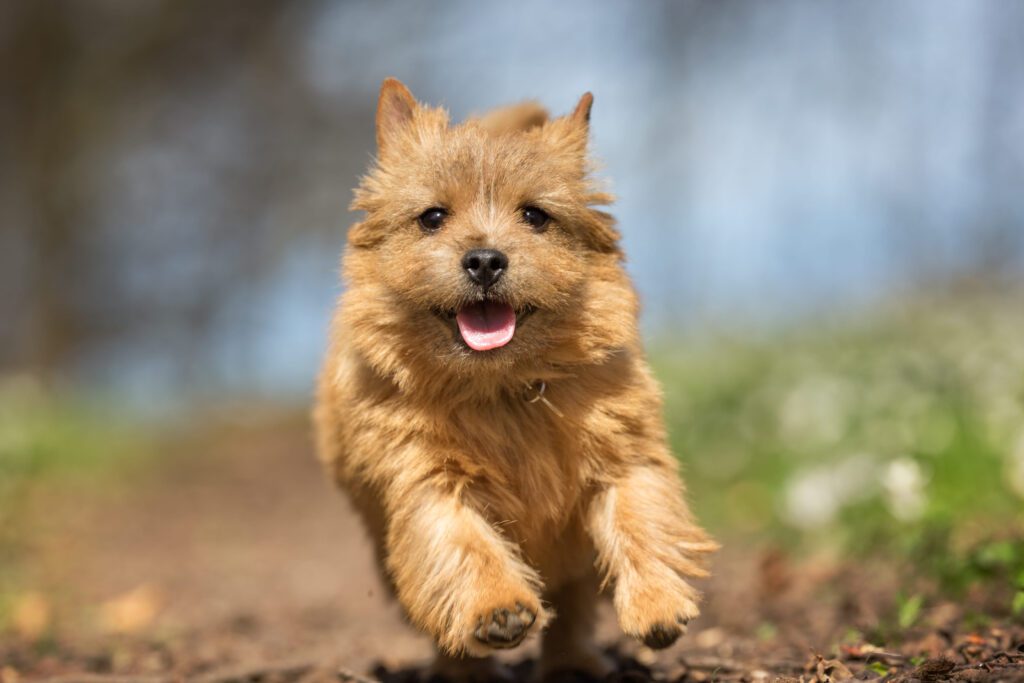
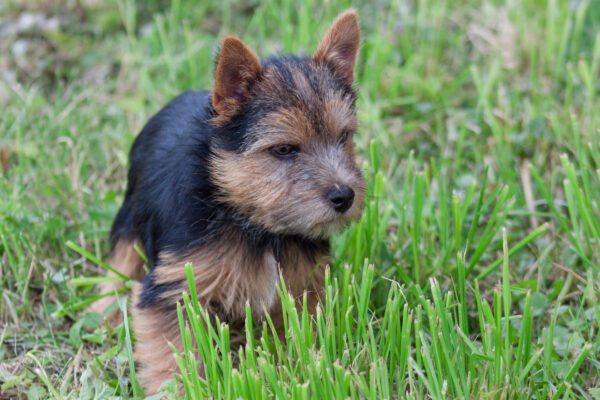
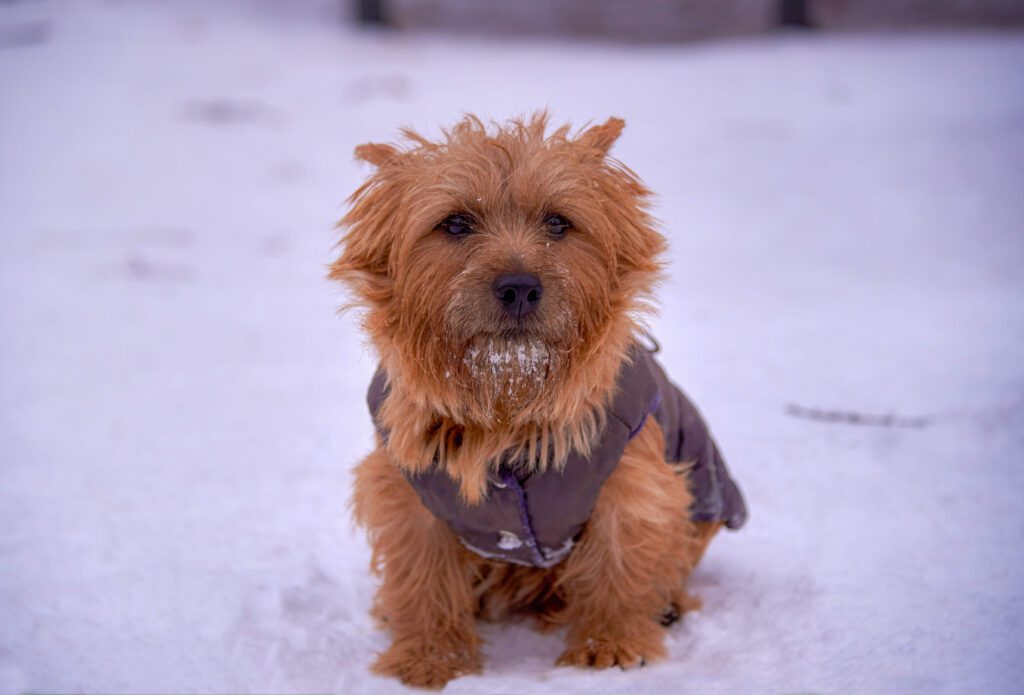
The Norwich Terrier is a compact, confident, and affectionate companion that brings cheerful energy to everyday life. This breed enjoys brisk walks, short play sessions, and close time with family. A Norwich Terrier is spirited yet polite when given structure and enrichment. Thoughtful research helps every adopter understand grooming needs, exercise requirements, and the breed’s strong prey drive. Adoption gives a deserving dog a second chance and supports the work of shelters and rescues that provide care and rehabilitation.
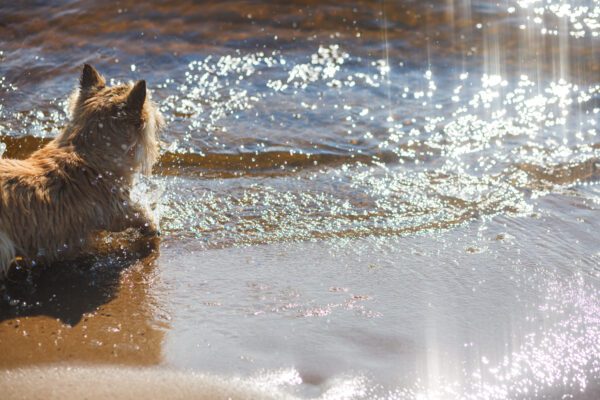
Georgia offers a good fit for many Norwich Terriers when families plan for heat and humidity. Summers are hot across the state and winters are mild, which means careful heat management during midday. Shaded routes, fresh water, and indoor rest keep a Norwich Terrier safe. The state’s varied geography from coastal plains to rolling foothills allows for flexible exercise in neighborhoods, parks, and trails. The breed’s small size suits apartments and townhomes across Georgia, provided daily walks and mental games are part of the routine.
Adoption is often preferable to buying because rescues help match dogs with the right homes, share known medical and behavioral history, and include preventive care in the fee. Choosing adoption reduces demand for irresponsible breeding and gives a Norwich Terrier a stable, loving future.
You can avoid searching local animal shelters and regional rescues one by one by starting with curated adoption listings on Dog Academy. The listings bring options together in one place and help you compare age, temperament notes, and location. Dog Academy also provides educational guides and adoption checklists, which make preparation easier and more complete.
In Georgia, adoptable Norwich Terriers appear through local animal shelters, regional rescues, and breed-specific rescue groups. Availability changes quickly because the breed is small and in demand. Begin by browsing listings, reading each profile fully, and confirming details about health status, energy level, and household fit. A Norwich Terrier has a strong prey drive and a quick mind, which means secure fencing, leashed walks, and daily enrichment are important. Understanding these needs before you apply helps you present a clear plan to the rescue team.
The application usually requests information about housing, schedule, experience with dogs, and existing pets. Many groups ask for personal references and a veterinary reference. A meet-and-greet often follows, which may take place at a shelter, a foster home, or a neutral location that helps the dog relax. Home checks are common and may be done through an in-person visit or a virtual video tour that confirms safety, fencing, and household setup.
Approval timelines vary by organization and by the dog’s needs. Straightforward adoptions often finalize in 1 to 2 weeks. More complex cases can take 2 to 4 weeks while teams verify references and schedule home checks. If the right Norwich Terrier is not yet in Georgia, many rescues maintain foster networks in neighboring areas and may arrange transport. Transport is often arranged by rescues to move dogs between states or cities using volunteer drivers or licensed ground transport for safety. Some groups charge a modest transport fee and require a health certificate for interstate travel.
|
How Much Does It Cost to Adopt a Norwich Terrier in Georgia?In Georgia, a realistic adoption fee for a Norwich Terrier is usually $325 to $475 for adults and $450 to $650 for puppies. Fees vary with age, training, recent medical care, and demand for this small, rare breed. Most fees include spaying or neutering, vaccinations, microchipping, and veterinary exams. Many groups also include a heartworm test, deworming, and a starter supply of preventives. A dog that arrives after extensive dental work or specialty treatment may have a higher fee that reflects the additional care. Puppies often cost more because they require frequent booster visits, early wellness exams, and extra supplies while in foster care. Seniors can cost a little less, though they sometimes include recent lab work or dental cleaning that offsets future expenses. The fee supports the rescue’s ability to help the next dog in need. |
How Should I Train a Norwich Terrier?The Norwich Terrier is bright, curious, and eager to engage, which makes training fun and productive. Short sessions that use food rewards, toys, and praise help this breed focus without boredom. Consistency matters because the breed is independent and quick to test boundaries. Clear rules, gentle guidance, and daily practice build reliable manners at home and on busy Georgia sidewalks. Common challenges include barking at movement, chasing wildlife, and pulling toward interesting scents. Positive reinforcement teaches alternative behaviors such as looking to the handler, walking on a loose leash, and settling on a mat during guests’ visits. Early socialization with calm dogs and confident people helps a Norwich Terrier stay friendly and steady in new places. For step-by-step lessons that fit real life, explore Dog Academy’s online training courses which cover leash skills, impulse control, and polite greetings. |
|
The ideal adopter enjoys daily walks, short play bursts, and cozy evenings with a loyal companion. A Norwich Terrier thrives with people who provide structure, patient guidance, and gentle grooming for the harsh coat. Preparation matters because the breed needs secure handling, mental enrichment, and steady routines, especially in Georgia’s warm climate.
Take your time, ask clear questions, and make a plan that supports the dog you choose. Start with listings on Dog Academy, gather supplies before pickup, and schedule a first training session during week one. Careful steps today create a happy match that lasts for years.

Introducing a new puppy to your current dog is often an exciting process, and many dogs will become fast friends and eas...
Read More
Rescue dogs can make great companions and can transform your home into something better. These dogs make great pets and ...
Read More
You should never rush to pet a dog. Even dog owners make the mistake of approaching unfamiliar dogs and petting them rig...
Read More
Puppy mill dogs are survivors who have endured extreme hardships in their lives. They have grown up in horrendous, unsan...
Read More
With their wagging tails and comforting presence, adopting a dog can add a unique touch to your life. It’s a heart...
Read More
Older dogs may have a few gray hairs around the edges, but that doesn’t mean they can’t make wonderful companions! T...
Read More