




























































































































































































Introducing a new puppy to your current dog is often an exciting process, and many dogs will become fast friends and eas...
Read MoreAdopt Me

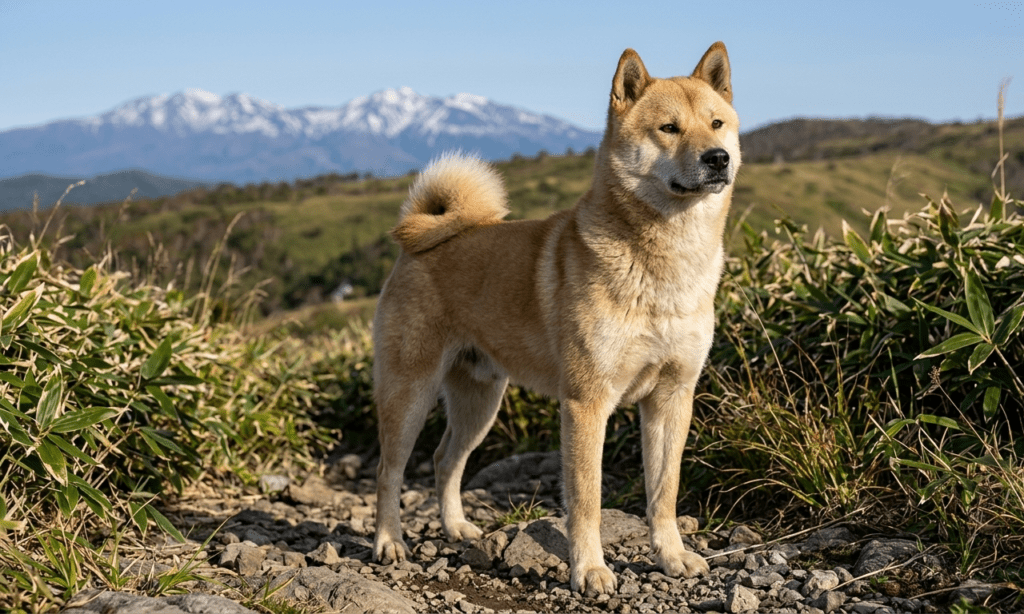
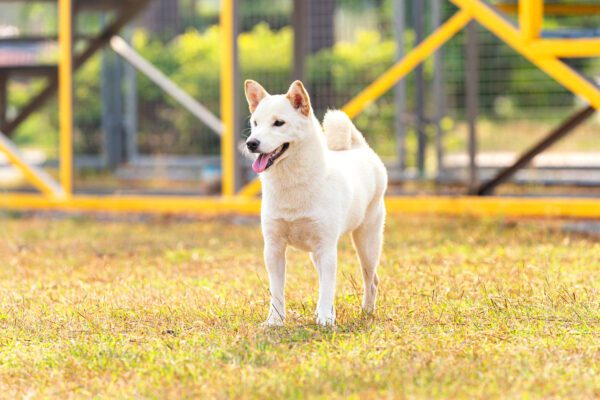
The Hokkaido is a loyal, intelligent, and athletic spitz breed that bonds deeply with its family. This dog stays alert, tackles challenges with confidence, and enjoys purposeful activity. Careful research helps you match this high-drive companion with your lifestyle so your new dog thrives from day one. Adoption gives a deserving dog a second chance and supports the shelters and rescues that protect animals in need.
Georgia offers a mix of suburban neighborhoods, city living, and access to trails and greenspaces. The state’s hot and humid summers can challenge a double-coated Hokkaido that evolved for colder climates, so cooling strategies are essential. Early morning or evening exercise, shade, fresh water, and indoor air conditioning keep this breed comfortable. Georgia’s mild winters and varied terrain suit brisk hikes and structured training sessions that channel the breed’s energy in healthy ways.
You can avoid searching shelters and rescues separately by browsing adoptable dogs on Dog Academy. The listings gather dogs from local animal shelters, regional rescues, and breed-specific rescue groups in one place. You can filter by location, age, size, and temperament to focus on Hokkaidos and close mixes. Dog Academy also provides educational guides and adoption checklists so you understand breed needs, prepare your home, and make confident choices before you apply.
Begin by reviewing each profile in detail. Read notes on temperament, activity level, medical history, and any training already completed. Submit an application that explains your experience with active or independent breeds, your daily routine, and your plan for exercise and training. Many groups request landlord approval when you rent, veterinary references for current or past pets, and proof of identification. Meet-and-greets often happen at a shelter, a foster home, or a neutral public space. A home check may follow, which means a volunteer verifies yard security, indoor safety, and a setup that prevents escapes and heat stress. Approval timelines vary by group and by dog, but many adoptions in Georgia move from application to finalization in 1 to 3 weeks when communication stays prompt.
Some rescues can arrange transport when a suitable Hokkaido is located in another region. Transport is often arranged by rescues to move dogs between states using volunteer drivers or professional carriers, and the group coordinates health certificates and pickup. You typically sign an adoption contract, pay the fee, and receive records on vaccinations, spaying or neutering status, and microchipping. Post-adoption support may include training advice, a short integration plan, and clear guidance on what to do if the match needs more time to settle.
|
How Much Does It Cost to Adopt a Hokkaido in Georgia?Because Hokkaidos are uncommon in the Southeast, most adopters in Georgia can expect fees around $300 to $550. Fees trend toward the higher end for puppies or dogs with recent training, and they may sit near the lower end for seniors or dogs with ongoing medical needs. The fee usually covers spaying or neutering, vaccinations, microchipping, and veterinary exams. Costs can also reflect heartworm testing and prevention, which are common needs in Georgia due to the warm climate. Availability, demand, and any specialty medical care can raise or lower the total within this narrow range. |
How Should I Train a Hokkaido?The Hokkaido is intelligent and learns quickly when training feels purposeful. The breed also shows an independent streak and a strong prey drive, so you should focus on clear structure and steady rewards. Use positive reinforcement with high-value treats and play. Keep sessions short, upbeat, and frequent. Start with name recognition, hand-targeting, and impulse control exercises so the dog learns to check in and choose calm behavior around distractions. Build reliable recall and polite leash manners before you attempt off-leash hiking. Early and ongoing socialization matters for this reserved breed. Introduce new people, friendly dogs, and novel surfaces at a comfortable pace while you pair each experience with rewards. Teach a solid settle on a mat, door manners that prevent darting, and a drop cue that reduces possession issues. Crate training supports safe rest and travel. If you want step-by-step help tailored to an alert, high-drive spitz, explore Dog Academy’s online training courses for foundation skills, leash work, and advanced recall plans built for real-life conditions. |
|
The ideal Georgia adopter enjoys daily activity, values structure, and commits to consistent training and heat-aware care. Preparation sets you and your dog up for success. Gather supplies, plan cooling strategies, and review breed needs before you bring your Hokkaido home. Take your time, ask clear questions, and use Dog Academy resources to make a thoughtful and lasting match when you decide to adopt a Hokkaido in Georgia.

Introducing a new puppy to your current dog is often an exciting process, and many dogs will become fast friends and eas...
Read More
Rescue dogs can make great companions and can transform your home into something better. These dogs make great pets and ...
Read More
You should never rush to pet a dog. Even dog owners make the mistake of approaching unfamiliar dogs and petting them rig...
Read More
Puppy mill dogs are survivors who have endured extreme hardships in their lives. They have grown up in horrendous, unsan...
Read More
With their wagging tails and comforting presence, adopting a dog can add a unique touch to your life. It’s a heart...
Read More
Older dogs may have a few gray hairs around the edges, but that doesn’t mean they can’t make wonderful companions! T...
Read More