
























































































































































































Introducing a new puppy to your current dog is often an exciting process, and many dogs will become fast friends and eas...
Read MoreAdopt Me

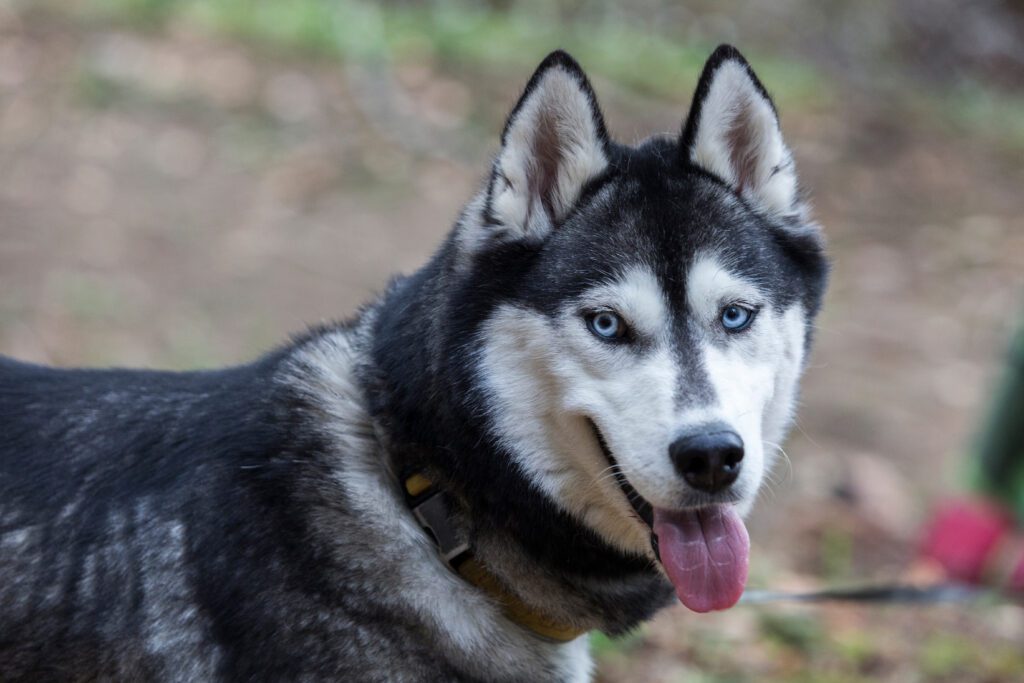
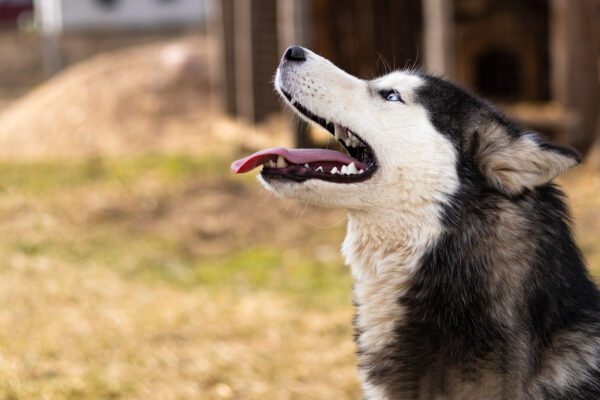
The Alaskan Husky is an athletic, affectionate, and social working dog known for endurance and a love of running. This sled-dog type is intelligent and independent, which makes it both captivating and challenging. Careful research helps you decide if an Alaskan Husky’s high energy, strong prey drive, and need for company fit your routine.
Adoption is a powerful choice because it gives a dog a second chance while reducing demand for irresponsible breeding. Many adoptable Alaskan Huskies receive essential veterinary care before placement, which helps new owners start strong. Georgia’s warm, humid summers and mild winters shape daily life with this breed. The hot season calls for early-morning or late-evening exercise, access to shade and water, and strict heat safety. The state’s diverse geography offers forest trails in the north and suburban greenways elsewhere, which provide great outlets for a dog that thrives on movement.
Active Georgia households often enjoy this breed’s enthusiasm and companionship. Runners, hikers, and cyclists who plan daily exercise can meet an Alaskan Husky’s needs even without snow. Consistent training, secure containment, and thoughtful cooling strategies help this northern dog type live comfortably in the Southeast.
You can avoid searching for rescues and shelters separately by browsing Dog Academy adoption listings. You can filter for location and breed type, read detailed profiles, and contact groups from one place. You can also use Dog Academy’s educational guides and adoption checklists to plan your home setup, supplies, and first-week routine.
You can find adoptable dogs through local animal shelters, regional rescues, breed-specific rescue groups, and foster networks. Start by browsing listings, then read each profile carefully. Confirm energy level, sociability with other pets, and any medical notes. Ask clear questions about daily exercise needs, house manners, crate comfort, and behavior with children, cats, or livestock.
Most organizations use an application process that collects your household details, landlord approval if you rent, veterinary references, and a government-issued ID. After the application, many groups schedule a meet-and-greet so every family member and resident dog can interact with the Alaskan Husky. Meetings often happen at a shelter, a foster home, or a neutral public space, which allows the dog to show more natural behavior.
Home checks are common and may be virtual or in person. A home check verifies safe fencing, shaded outdoor areas, secure trash storage, and space for a crate or quiet resting spot. Approval timelines vary by group and the number of applicants, though the process often takes 1 to 3 weeks from application to pickup when everyone communicates promptly.
Some rescues arrange transport to move dogs between locations to reach approved adopters. Transport is a coordinated trip with designated drivers who move the dog safely, provide rest breaks, and hand off at scheduled points. Groups confirm health readiness before travel, and they share pickup instructions so adopters can plan supplies and arrival times.
|
How Much Does It Cost to Adopt a Alaskan Husky in Georgia?In Georgia, adoption fees for a Alaskan Husky typically range from $200 to $450. Puppies and younger adolescents often sit near the top of that range because demand is higher and preventive care costs more. Fees reflect the dog’s age, prior training, medical history, and overall demand for the breed in your area. Most fees cover spaying or neutering, vaccinations, microchipping, and veterinary exams. Many groups also include heartworm testing, deworming, and initial preventatives. Fees can increase when a dog receives advanced medical care or professional training before adoption, and they can be lower for seniors or dogs with ongoing medical needs. |
How Should I Train a Alaskan Husky?The Alaskan Husky is quick to learn but often independent, which means motivation matters. Use positive reinforcement with high-value rewards and short, upbeat sessions. Build rock-solid basics first, including name recognition, recall, loose-leash walking, and a reliable settle cue for rest after exercise. Channel natural instincts so they work for you. Teach a structured harness cue for pulling sports when appropriate, and teach a separate loose-leash cue for calm neighborhood walks. Provide daily mental work through scent games, puzzle feeders, and obedience games. Practice impulse control and polite greetings to balance the breed’s excitement and social drive. A secure yard and thoughtful enrichment reduce escape attempts and bored digging. You can build skills step by step with Dog Academy’s online training courses. Courses cover recall, leash manners, crate comfort, cooperative care, and behavior troubleshooting. Clear lessons, progress tracking, and expert guidance help you train consistently and keep your Alaskan Husky engaged. |
|
The ideal adopter is active, patient, and committed to daily exercise and ongoing training. A secure fence or a dependable exercise plan, regular grooming for a double coat, and strong recall practice help this energetic dog succeed. Heat management in Georgia is essential, which means shaded routes, cool rest areas, and careful scheduling.
Take time to prepare your home, research the breed’s needs, and plan your first month. When you are ready to adopt a Alaskan Husky in Georgia, start with Dog Academy to compare profiles and ask informed questions. With preparation and consistency, you can welcome a loyal adventure partner and enjoy years of rewarding companionship.

Introducing a new puppy to your current dog is often an exciting process, and many dogs will become fast friends and eas...
Read More
Rescue dogs can make great companions and can transform your home into something better. These dogs make great pets and ...
Read More
You should never rush to pet a dog. Even dog owners make the mistake of approaching unfamiliar dogs and petting them rig...
Read More
Puppy mill dogs are survivors who have endured extreme hardships in their lives. They have grown up in horrendous, unsan...
Read More
With their wagging tails and comforting presence, adopting a dog can add a unique touch to your life. It’s a heart...
Read More
Older dogs may have a few gray hairs around the edges, but that doesn’t mean they can’t make wonderful companions! T...
Read More