



























































































































































































Introducing a new puppy to your current dog is often an exciting process, and many dogs will become fast friends and eas...
Read MoreAdopt Me

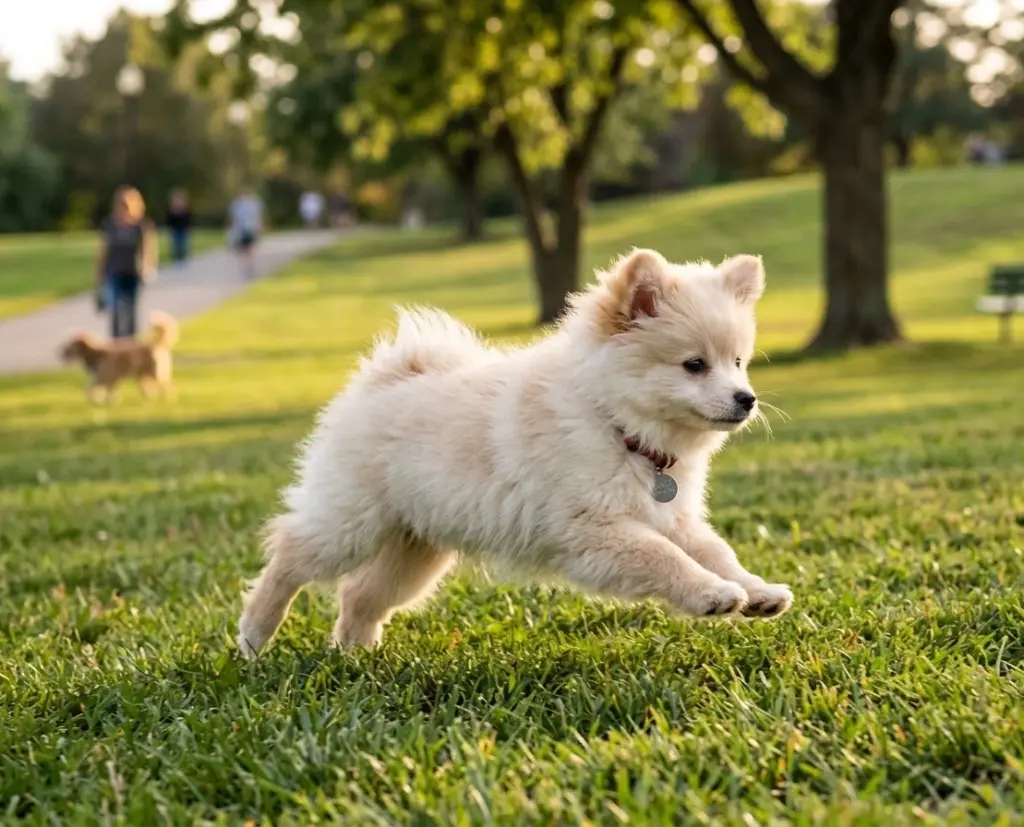
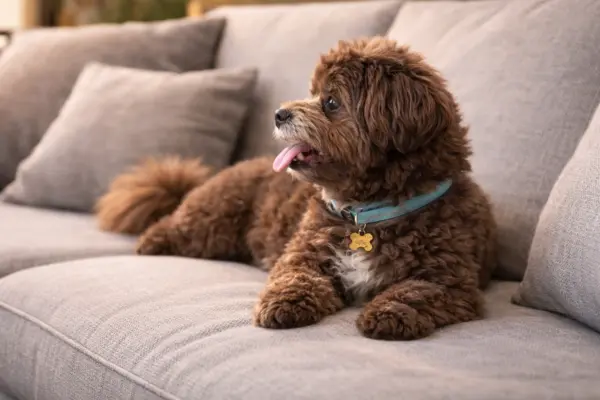
A Pomapoo is a cheerful mix of Pomeranian and Poodle that brings a bright spirit to any home. This small companion is affectionate, attentive, and eager to learn. Many families choose a Pomapoo for a low-shedding coat, a portable size, and a playful but gentle personality.
Good research leads to a happy match. Understanding grooming needs, energy level, and health considerations makes adoption smoother and kinder for both you and the dog. Adoption is preferable to buying because you give a dog a second chance while supporting responsible care and community-focused pet welfare.
Hawaii offers a warm climate and an active outdoor lifestyle that can suit a Pomapoo well with the right precautions. Heat and humidity can tire a small, fluffy dog, so you should plan shaded walks, cool rest areas, and steady hydration. Urban condos in Honolulu and quiet neighborhoods on the neighbor islands both work well because Pomapoos thrive with short daily walks and indoor play. Daily brushing helps prevent matting from salt air and beach outings. Consistent routines and mindful cooling keep this little companion comfortable across Hawaii’s varied microclimates.
You can avoid searching shelters and rescues separately by using Dog Academy to browse adoptable Pomapoos across Hawaii in one place. You can filter by age and location, review profiles, and track your favorites. Dog Academy also provides educational guides and adoption checklists that help you prepare your home, evaluate fit, and plan the first weeks with your new dog.
Pomapoos become available through local animal shelters, regional rescues, foster networks, and breed-specific rescue groups. New arrivals can appear weekly, so you should check listings often. Some groups focus on small dogs and senior placements, and others support owner surrenders that need new homes. Certain rescues arrange transport between islands when a dog has an approved match on another island. Transport is often arranged by rescues to move dogs between locations using volunteers or commercial flights with safe handoffs.
The process starts with browsing listings and selecting dogs whose age, energy level, and grooming needs match your lifestyle. You then submit an application that typically asks for identification, housing details, proof of landlord approval when relevant, and personal references. Many groups schedule a phone interview to discuss your routine, training plan, and expectations for exercise and enrichment.
Next comes a meet-and-greet. This can be in a foster home, at a facility, or in a public space that allows dogs. Staff or volunteers observe how the dog interacts with you and any family members. A home check may follow. Some groups review photos or videos of your yard and living areas, while others schedule a short in-person visit to confirm safety, secure fencing, and a plan for cooling and shade. Approval timelines usually range from 3 to 14 days depending on scheduling, reference responses, and the dog’s medical or behavioral needs.
Before finalizing, the organization explains medical history, grooming needs, and any training goals. You sign an adoption agreement that outlines spay or neuter status, microchip information, and return policies. You then schedule pickup or transport, receive records, and begin a gradual introduction at home. You also confirm local licensing and leash rules to stay compliant from day one.
|
How Much Does It Cost to Adopt a Pomapoo in Hawaii?Expect adoption fees for a Pomapoo in Hawaii to range from $250 to $450. Puppies and young adults often land at the higher end due to high demand and recent medical care, while mature dogs may be closer to the lower end. Island veterinary costs and grooming demand can influence pricing, and fully vetted dogs with recent services usually carry higher fees. Typical inclusions are spaying or neutering, vaccinations, microchipping, and veterinary exams. Age, training, and medical history affect final cost. Dogs that receive dental cleanings, bloodwork, or training before placement may have slightly higher fees to offset those expenses. If transport is arranged between islands, you may see an additional, clearly stated transport charge to cover airfare or courier support. |
How Should I Train a Pomapoo?Pomapoos are bright, food-motivated, and eager to please. Most learn quickly with short, upbeat lessons. Positive reinforcement with treats and praise works best. Keep sessions brief and fun to match a small dog’s attention span. Add games that build impulse control, such as sit and wait at doors, which helps with safety in busy areas. Common challenges include alert barking, house training, and handling for grooming. Curb barking by rewarding quiet after a knock and by teaching a reliable place command. Support house training with frequent outdoor breaks, a consistent schedule, and careful supervision. Introduce grooming tools slowly and reward calm behavior while brushing to prevent mats and tangles. Socialization should include island sights and sounds. Introduce surf noise, bicycles, elevators, and friendly dogs at a comfortable distance. Crate training helps with rest, travel, and safety during inter-island trips when approved by your veterinarian. For step-by-step lessons, check out Dog Academy’s online training courses, which provide clear plans for manners, enrichment, and confidence building. |

|
The ideal Hawaii adopter enjoys short daily walks, regular brushing, and calm indoor time. A Pomapoo suits households that value companionship, gentle play, and consistent routines. Families with children do well when they teach respectful handling and supervise interactions. Adults who work from home or can provide midday breaks support quick progress with training and bonding.
Preparation leads to success. Plan a cooling strategy, set a grooming schedule, and budget for routine care. Gather supplies before pickup and review training goals with your family. Take time to meet several dogs and ask thoughtful questions. When you feel confident about fit and readiness, move forward at a steady pace and welcome your new companion home.

Introducing a new puppy to your current dog is often an exciting process, and many dogs will become fast friends and eas...
Read More
Rescue dogs can make great companions and can transform your home into something better. These dogs make great pets and ...
Read More
You should never rush to pet a dog. Even dog owners make the mistake of approaching unfamiliar dogs and petting them rig...
Read More
Puppy mill dogs are survivors who have endured extreme hardships in their lives. They have grown up in horrendous, unsan...
Read More
With their wagging tails and comforting presence, adopting a dog can add a unique touch to your life. It’s a heart...
Read More
Older dogs may have a few gray hairs around the edges, but that doesn’t mean they can’t make wonderful companions! T...
Read More