















































































































Introducing a new puppy to your current dog is often an exciting process, and many dogs will become fast friends and eas...
Read MoreAdopt Me
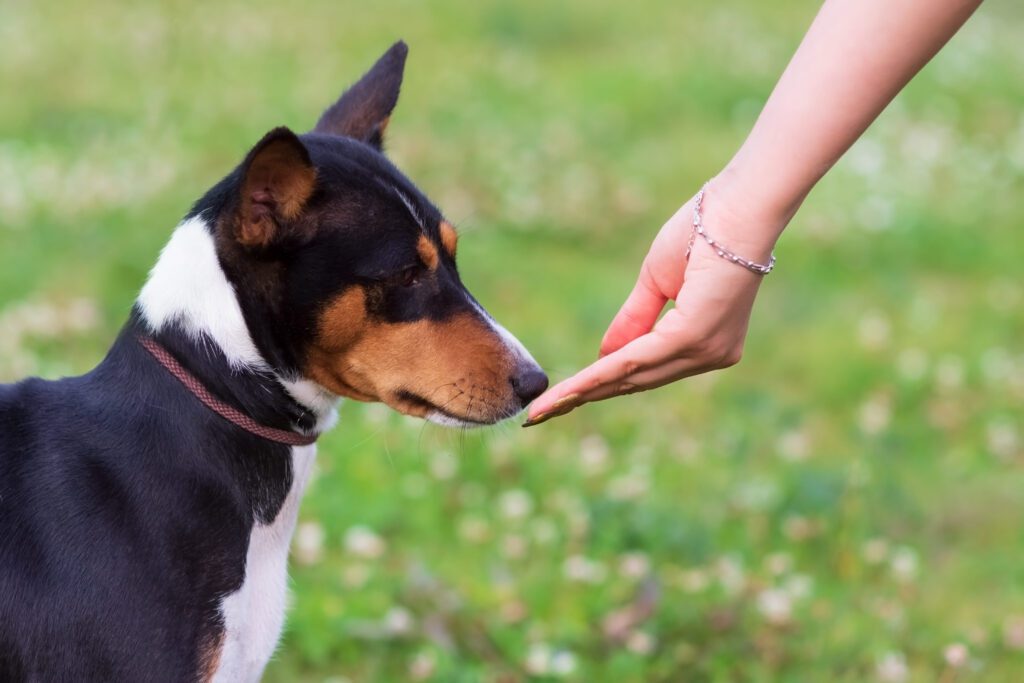
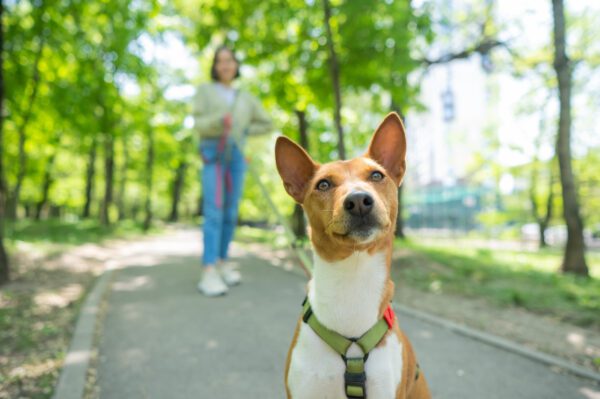
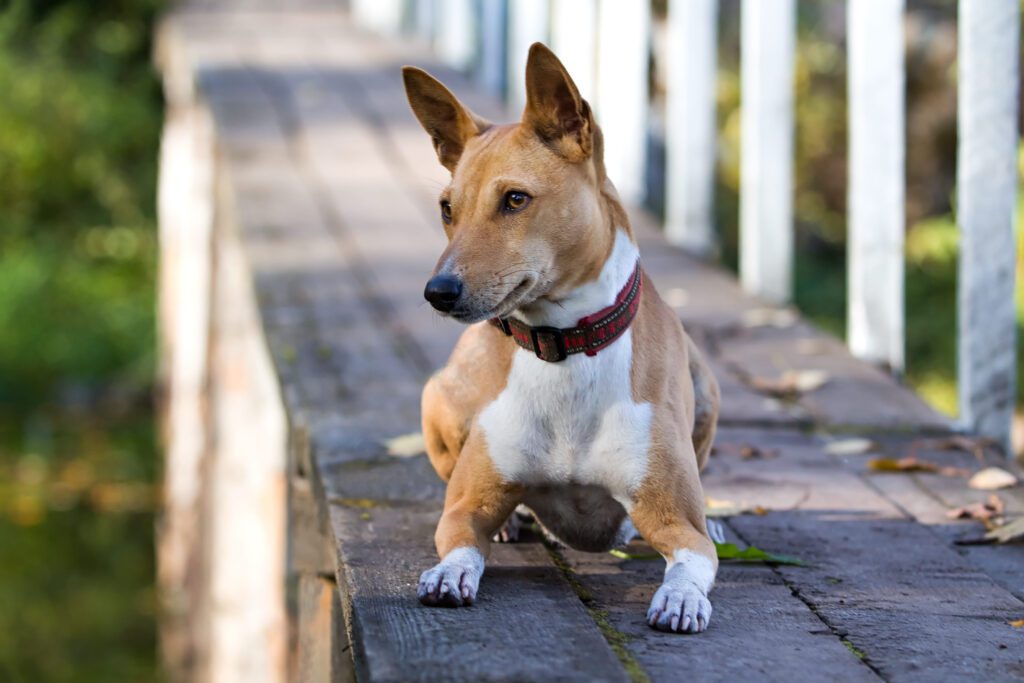
The Basenji is alert, athletic, and clean. The breed rarely barks and communicates with yodels and chuffs. A Basenji bonds closely with family, enjoys adventure, and values routine. The breed suits people who like daily walks, puzzle toys, and calm indoor time. Careful research helps every adopter understand energy needs, grooming, and training style before bringing home a dog.
Adoption gives a Basenji a second chance and supports responsible animal welfare. Adopting also helps you learn a dog’s history, medical care, and temperament through counseling and post-adoption support. Buying can encourage impulsive choices. Adoption invites thoughtful matching, which serves both the dog and the household.
South Dakota offers open spaces, quiet towns, and four clear seasons. The state’s cold winters and wind can challenge a short-coated Basenji. A warm coat, paw protection, and indoor enrichment keep a Basenji comfortable. Summers can grow hot, so shade, water, and early walks protect a heat-sensitive hound. Rural properties must use secure fencing because Basenjis have a strong prey drive and quick sprint speed. City living also works well when daily exercise and mental stimulation remain consistent.
You can skip searching shelters and rescues one by one by using Dog Academy. The adoption listings let you browse Basenjis and Basenji mixes from local animal shelters, regional rescues, and breed-specific rescue groups in one place. Dog Academy also provides educational guides and adoption checklists that help you compare dogs, prepare your home, and plan the first week.
Start by browsing listings to see age, size, temperament notes, and location. New dogs appear often, so set aside time to check listings throughout the week. When a dog looks like a match, submit an application that covers your schedule, housing, fencing, and experience with independent breeds. Many groups request personal references and landlord approval when applicable. Clear, detailed answers show that you understand the breed’s needs and that you can provide stable care.
After application review, most groups schedule a meet-and-greet. Staff or volunteers observe how the dog interacts with you and any resident pets. If all goes well, a home check usually follows. Home checks are often virtual in South Dakota, though some groups visit in person. The goal is to confirm safe containment, remove hazards, and plan a transition area for decompression. Approval timelines vary by group and by the dog, yet many adoptions in the region finalize within 1 to 3 weeks after a completed application.
Basenjis are less common in South Dakota than in larger metro areas. Many rescues coordinate transport to move dogs between locations when a good match is found. Transport is often arranged by rescues to move dogs between states using volunteer drivers or licensed carriers who follow safety protocols. Coordinators share pickup windows, required gear, and health documentation so you can prepare for arrival day.

|
How Much Does It Cost to Adopt a Basenji in South Dakota?Most adopters in South Dakota can expect to pay $300 to $550 to adopt a Basenji. The fee tends to fall near the middle of that range for adult dogs and closer to the high end for puppies or dogs that arrive through long-distance transport. The fee reflects veterinary care, regional demand for the breed, and the costs of caring for a dog until placement. Adoption fees typically include spaying or neutering, vaccinations, microchipping, and veterinary exams. Fees may be higher when a dog receives dental cleanings, treatment for parasites, or specialized diagnostics. Dogs with completed training or clear house manners can also carry higher fees. Senior dogs with ongoing medical needs sometimes have lower fees to encourage placement with experienced adopters. |
How Should I Train a Basenji?Basenjis are bright, curious, and independent. The breed learns quickly when training feels like a game. Short sessions work best. End on a success and reward with small treats, toys, or access to favorite activities. Consistency matters more than intensity for this breed. Common challenges include distracted recall, door dashing, and counter surfing. A long line helps you practice recall while keeping everyone safe. Teach a solid hand target and a strong check-in cue to redirect sight and scent interests. Crate training builds calm time and protects your home during the adjustment period. Enrichment such as food puzzles and scent games reduces boredom and prevents destructive chewing. Use positive reinforcement and avoid harsh corrections. Clear cues, generous rewards, and predictable routines help a Basenji relax and focus. If you want step-by-step lessons, enroll in Dog Academy’s online training courses. The courses show you how to teach recall, loose-leash walking, impulse control, and polite greetings with videos and practice plans that fit a busy schedule. |
|
The ideal Basenji adopter enjoys daily activity, values routine, and keeps a secure yard or uses careful leashing. Patience, humor, and steady training help this clever hound thrive. Preparation makes adoption easier. Gather supplies, set up a quiet rest area, and choose a veterinarian before the first day.
Take your time as you compare dogs and think through your lifestyle. Read guides, ask questions, and plan for the first 30 days. When you are ready, visit Dog Academy to browse current Basenji listings in and around South Dakota. With the right match and a thoughtful start, your Basenji can become a calm, joyful companion for years to come.

Introducing a new puppy to your current dog is often an exciting process, and many dogs will become fast friends and eas...
Read More
Rescue dogs can make great companions and can transform your home into something better. These dogs make great pets and ...
Read More
You should never rush to pet a dog. Even dog owners make the mistake of approaching unfamiliar dogs and petting them rig...
Read More
Puppy mill dogs are survivors who have endured extreme hardships in their lives. They have grown up in horrendous, unsan...
Read More
With their wagging tails and comforting presence, adopting a dog can add a unique touch to your life. It’s a heart...
Read More
Older dogs may have a few gray hairs around the edges, but that doesn’t mean they can’t make wonderful companions! T...
Read More