




























































































































































































Introducing a new puppy to your current dog is often an exciting process, and many dogs will become fast friends and eas...
Read MoreAdopt Me

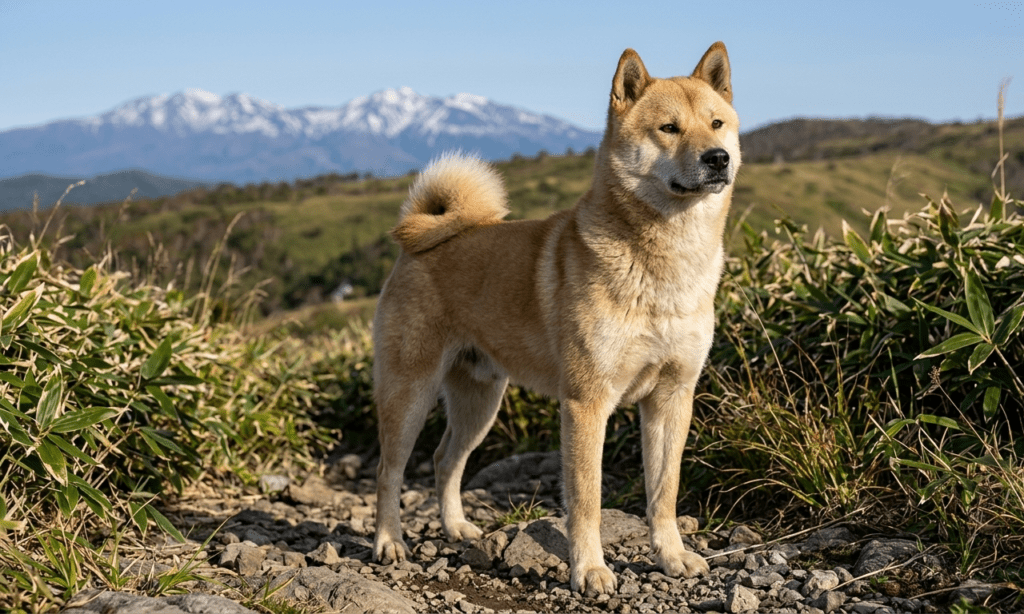

The Hokkaido is a loyal, confident, and intelligent spitz-type companion that forms a tight bond with its family. This breed stays alert without being anxious, and it enjoys meaningful activity that engages both body and mind. Careful research before adoption ensures you understand the Hokkaido’s independence, its strong prey drive, and its need for steady socialization and structure.
Adoption is a thoughtful way to welcome this rare breed while giving a dog a second chance. You help reduce demand for irresponsible breeding, and you often gain helpful background on temperament and health. South Dakota offers a solid fit for a Hokkaido thanks to cold winters that suit the thick double coat, wide prairies that allow purposeful exercise, and a lifestyle that often includes hiking and time outdoors. Hot summer days in South Dakota require shade, water, and rest, and windy open spaces call for reliable recall and a secure leash plan.
Whether you live near the Black Hills or along the plains, your daily routine should include brisk walks, structured play, and regular training. A Hokkaido thrives when it has clear expectations and a calm home rhythm.
You can skip searching shelters and rescues one by one by browsing adoptable dogs through Dog Academy. You can filter results, read full profiles, and save favorites, and you can also learn from Dog Academy’s educational guides and adoption checklists that explain each step from inquiry to homecoming. You can also explore local animal shelters, regional rescues, and breed-specific rescue groups that support Northern and spitz-type dogs across nearby states.
Start by browsing listings and reading complete bios that describe age, energy level, medical history, and behavior notes. Submit an application that includes personal references, a veterinarian contact if you have one, and landlord approval when you rent. A coordinator typically schedules a phone interview to confirm your experience with active, independent breeds and to review your plan for exercise, training, and containment.
Next comes a meet-and-greet with your household and any resident pets. Many groups arrange a home check that confirms safe fencing, secure doors and gates, and a quiet space for decompression. Some home checks use live video, while others use a brief in-person visit. Approval timelines vary with background checks and volunteer availability, and most decisions in South Dakota take 1 to 3 weeks after your application is complete.
Hokkaidos are uncommon in the region, so you may encounter a waiting list. Rescues sometimes arrange transport to move dogs between locations when a strong match appears. Transport is often arranged by rescues to move dogs between states using volunteer drivers or licensed carriers, and adopters may cover modest costs related to fuel and health certificates. Clear communication about dates, handoff locations, and safety protocols keeps the process smooth.
Throughout the process, keep the breed’s needs in mind. A Hokkaido benefits from 60 to 90 minutes of daily exercise, consistent socialization with people and dogs, and secure management to prevent chasing wildlife. A good match balances the dog’s confidence and independence with your ability to provide structure and positive training.
|
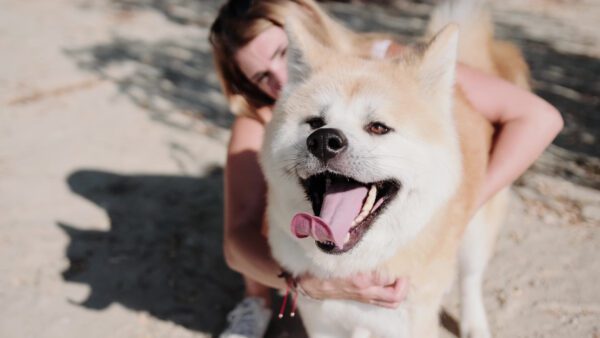
How Much Does It Cost to Adopt a Hokkaido in South Dakota?Expect a typical South Dakota adoption fee of $250 to $550 for a Hokkaido, which reflects the breed’s rarity and the state’s moderate costs. Younger dogs and puppies often fall near the top of that range, and adults and seniors usually sit lower. Fees usually include spaying or neutering, vaccinations, microchipping, and veterinary exams. Rescues may also recover expenses for dental cleanings, fecal tests, flea and tick prevention, and training support. Pricing varies with age, training level, medical care already provided, and regional demand. Some groups add a separate transport charge when they coordinate safe travel from another state, and this add-on often runs $50 to $150 based on distance and required health documentation. |
How Should I Train a Hokkaido?The Hokkaido is smart, perceptive, and quick to learn patterns. This breed can be independent and reserved with strangers, which makes early and ongoing socialization essential. Use positive reinforcement that rewards calm choices with food, play, and praise. Keep sessions short, upbeat, and frequent, and end on a success to build momentum. Focus on foundation skills that pay off in South Dakota’s open spaces. Reliable recall, loose-leash walking, leave it, and settle on a mat help manage wildlife distractions and busy trailheads. A Hokkaido responds well to clear boundaries and consistent routines, and it shuts down when corrections feel harsh. Rotate mental work with scent games, puzzle feeders, and structured fetch to prevent boredom. If you want step-by-step guidance, explore Dog Academy’s online training courses. You can follow breed-savvy lessons for impulse control, polite greetings, recall games, and crate training, and you can progress at your own pace with practical homework and real-life examples. |
|
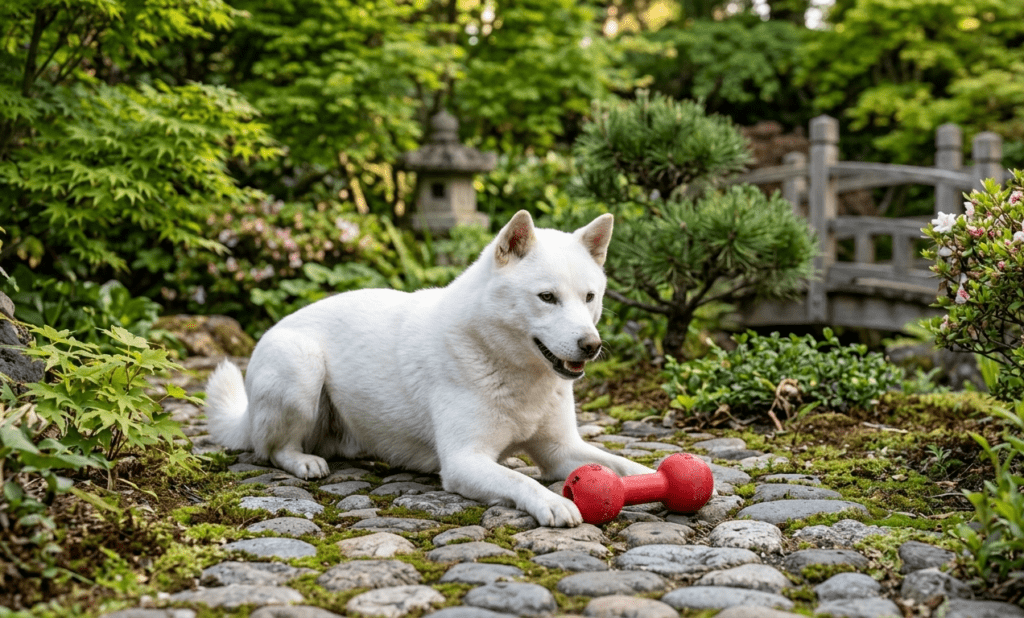
The ideal Hokkaido guardian enjoys active days, steady routines, and calm leadership. A secure yard, a plan for daily exercise, and a commitment to training create the structure this breed appreciates. Families with older children who can follow rules often do well, and multi-pet homes succeed when introductions are slow and supervised.
Preparation makes adoption smoother. Gather supplies before pickup, schedule a first veterinary visit, and set a training plan for the first 30 days. Take your time, ask questions, and lean on trusted resources as you work to adopt a Hokkaido in South Dakota. With patience and the right match, you will bring home a steady, loyal partner who is ready for prairie walks and crisp winter mornings.

Introducing a new puppy to your current dog is often an exciting process, and many dogs will become fast friends and eas...
Read More
Rescue dogs can make great companions and can transform your home into something better. These dogs make great pets and ...
Read More
You should never rush to pet a dog. Even dog owners make the mistake of approaching unfamiliar dogs and petting them rig...
Read More
Puppy mill dogs are survivors who have endured extreme hardships in their lives. They have grown up in horrendous, unsan...
Read More
With their wagging tails and comforting presence, adopting a dog can add a unique touch to your life. It’s a heart...
Read More
Older dogs may have a few gray hairs around the edges, but that doesn’t mean they can’t make wonderful companions! T...
Read More