



























































































































































































Introducing a new puppy to your current dog is often an exciting process, and many dogs will become fast friends and eas...
Read MoreAdopt Me

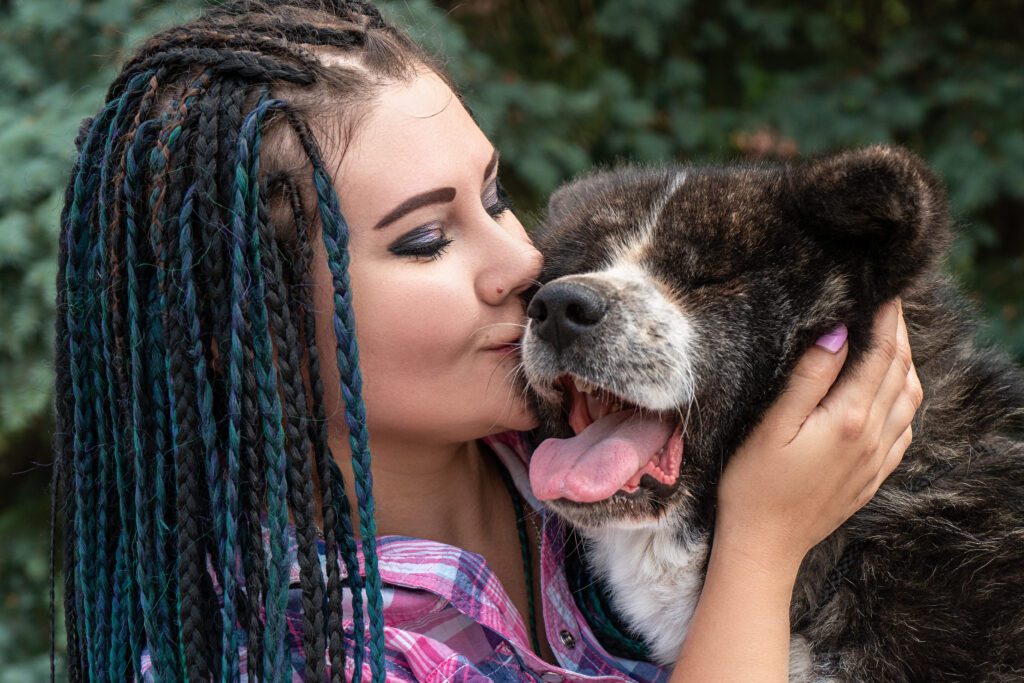
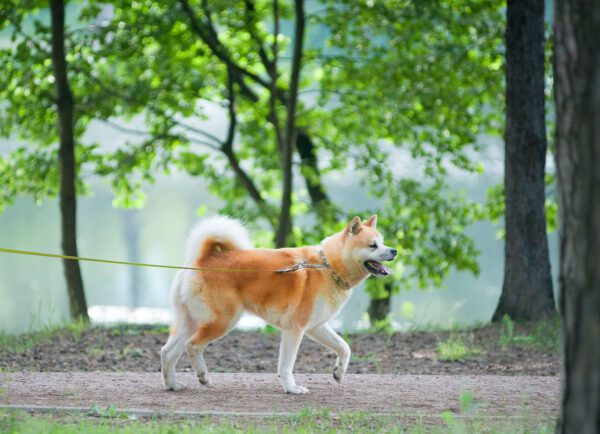
The Akita is a dignified, loyal, and powerful companion. This breed bonds closely with family, shows calm confidence at home, and carries strong protective instincts. An Akita can be independent and reserved with strangers, which suits adopters who value a steady guardian and a thoughtful, quiet housemate.
Research matters before you welcome an Akita. Adoption is the kinder and more responsible choice because it helps dogs in need and reduces pressure on irresponsible breeding. Many Akitas enter rescue after mismatches with first-time owners. Careful planning ensures a safe, permanent placement and a happy life for both you and your dog.
Ohio’s four-season climate offers cold winters that suit the Akita’s thick double coat. Hot and humid summers require close heat management, shade, and cool rest areas to prevent overheating. Ohio’s mix of urban, suburban, and rural settings gives you many options for exercise, yet this breed needs structured walks, secure fencing, and thoughtful socialization. Apartment life can work with daily exercise and strict leash skills, while homes with yards allow more room for play under supervision.
You can skip searching shelters and rescues one by one by using Dog Academy to browse current adoption listings in one place. You can filter by location, age, size, and temperament to match your needs. Dog Academy also provides clear educational guides and adoption checklists that explain each step from first inquiry to gotcha day.
Start by exploring listings from local animal shelters, regional rescues, breed-specific rescue groups, and foster-based programs. Read each profile closely. Ask about health history, behavior notes, energy level, and any training already in place. Understanding the Akita’s exercise needs, social preferences, and guardian tendencies helps you choose a dog that fits your home and community.
Most organizations use a similar process. You browse available dogs, submit an application, and provide references, landlord or HOA approval when renting, and proof of identification. An adoption counselor often schedules a phone interview to discuss lifestyle, schedules, and training plans. Meet-and-greets usually involve all household members and any resident dogs to confirm a safe match. Some groups request a home check, which can be virtual or in person, to confirm secure fencing, safe storage of chemicals, and an appropriate space for rest and feeding. Approval timelines vary, yet many adoptions move from application to decision within 3 to 10 days when documents and schedules line up.
Many rescues can coordinate transport when the right dog is outside your immediate area. Transport is often arranged by rescues to move dogs between states or regions so that good matches do not get missed. Coordinators may use ground transport, volunteer drivers, or professional services. Dogs generally travel with a health certificate, and adopters may pay a modest transport fee. Pickups often occur at central meeting points to keep travel times predictable and safe.
|
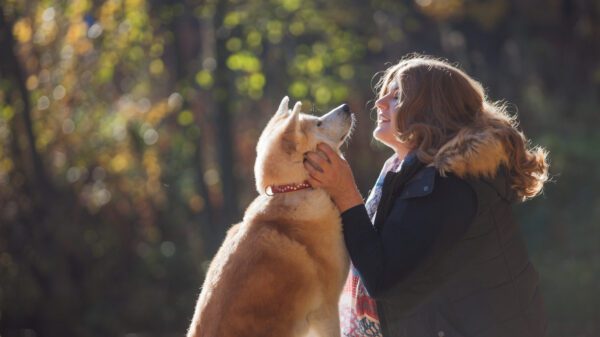
How Much Does It Cost to Adopt a Akita in Ohio?In Ohio, most Akita adoption fees fall between $300 and $550. Seniors usually land near the lower end, while puppies with higher demand and more preventive care land near the upper end. Fees reflect age, training investment, current medical needs, and regional demand for the breed. Many fees include spaying or neutering, vaccinations, microchipping, and veterinary exams. Some organizations also include heartworm testing and initial deworming. Plan for initial supplies and services beyond the adoption fee. A secure crate, a properly fitted collar, a strong leash, high-quality food, and grooming tools can add $200 to $400. Training classes can range based on format and length. County dog licensing is required in Ohio and varies by county. These costs set your Akita up for success from day one. |
How Should I Train a Akita?The Akita is intelligent and perceptive, yet this breed is independent and can test boundaries. Training works best with short, engaging sessions that reward calm choices. Use high-value treats, a clear marker like a click or a crisp yes, and consistent rules that every family member follows. Avoid harsh corrections that create conflict. Focus on trust, predictable routines, and steady guidance. Prioritize early socialization with people and stable dogs, while keeping safety first. Teach foundational skills such as loose-leash walking, sit, down, stay, and a reliable recall with a long line. Build impulse control with leave it and wait. Many Akitas are dog selective, so management and distance work are essential. Provide daily mental enrichment through scent games, puzzle feeders, and structured play. Crate training supports safe rest and travel, and muzzle training can provide an extra safety layer for veterinary visits. For step-by-step help at home, explore Dog Academy’s online training courses, which cover obedience, socialization, and behavior problem-solving in clear, practical lessons. |
|
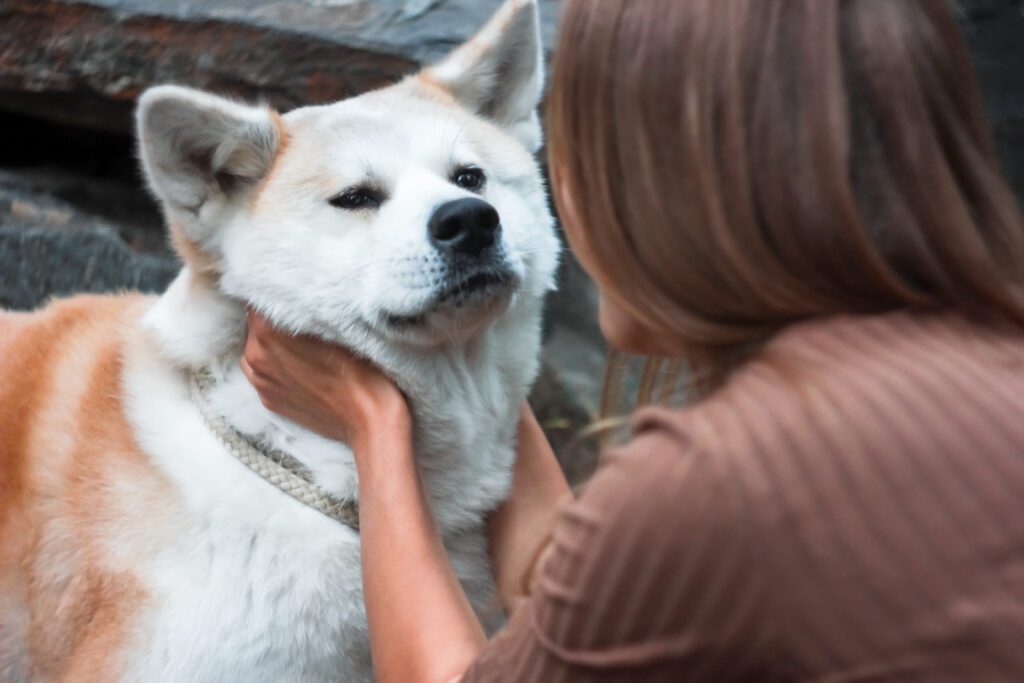
The ideal Akita guardian is patient, consistent, and confident with handling large dogs. A secure yard, a steady routine, and thoughtful exposure to new places help this breed thrive. Families with older children who understand boundaries often do well, and households that value quiet companionship will appreciate the Akita’s calm presence.
Preparation leads to a great match. Take time to research, gather supplies, and set training plans before you bring your dog home. Move at a measured pace, ask detailed questions, and confirm that the dog’s needs align with your lifestyle. When you are ready, use Dog Academy to browse current listings and to follow a clear adoption checklist that makes each step simple and stress-free.

Introducing a new puppy to your current dog is often an exciting process, and many dogs will become fast friends and eas...
Read More
Rescue dogs can make great companions and can transform your home into something better. These dogs make great pets and ...
Read More
You should never rush to pet a dog. Even dog owners make the mistake of approaching unfamiliar dogs and petting them rig...
Read More
Puppy mill dogs are survivors who have endured extreme hardships in their lives. They have grown up in horrendous, unsan...
Read More
With their wagging tails and comforting presence, adopting a dog can add a unique touch to your life. It’s a heart...
Read More
Older dogs may have a few gray hairs around the edges, but that doesn’t mean they can’t make wonderful companions! T...
Read More