



























































































































































































Introducing a new puppy to your current dog is often an exciting process, and many dogs will become fast friends and eas...
Read MoreAdopt Me

Miss Chestnut
Hillside, IL
Breed: Nova Scotia Duck-Tolling Retriever
Sex: Female
Age: puppy




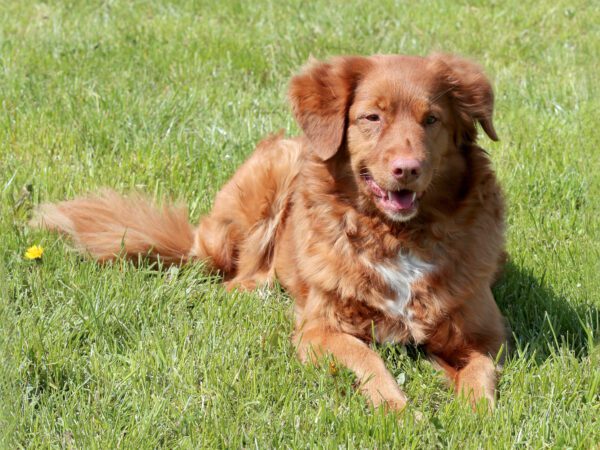
The Nova Scotia Duck Tolling Retriever is a bright, athletic, and affectionate companion. Tollers love to retrieve, swim, and learn new skills, and they bond closely with their families. Before you adopt, take time to understand the breed’s energy level, exercise needs, and grooming requirements so you can set your future dog up for success.
Adoption gives a deserving dog a second chance and often provides helpful post-adoption support. In Ohio, Tollers can thrive because the breed enjoys outdoor activity in all seasons. Their weather-resistant double coat handles cold winters, and their love of water pairs well with Ohio’s lakes and rivers. Summer heat and humidity require smart planning with shaded breaks, fresh water, and exercise during cooler hours.
Life in Ohio varies from city living to rural acreage. Tollers do well in apartments when owners commit to daily exercise, and they truly shine in suburban or rural homes with access to safe places to run and play. Consistent training, mental stimulation, and time with family matter more than square footage.
You can avoid searching through shelters and rescues one by one by browsing adoptable dogs on Dog Academy. The listings help you see available Tollers and Toller mixes across Ohio in one place. You can also use Dog Academy’s educational guides and adoption checklists to prepare your home, plan your budget, and understand what to expect during the first weeks.
Adoptable Tollers in Ohio may be found through local animal shelters, regional rescues, and breed-specific rescue groups. Start by browsing listings, reading each dog’s profile, and noting age, energy level, medical history, and behavior notes. A good match considers your schedule, your activity level, and your experience with energetic retrievers.
After you find a potential match, submit an application that covers your home setup, daily routine, training plans, and veterinary care. Many groups verify landlord approval for renters and request personal references to ensure a stable environment. Approval timelines often range from 1 to 3 weeks, depending on volunteer availability and the number of applicants.
Meet-and-greets give you a chance to observe the dog’s temperament and energy in a neutral setting. Some organizations schedule a home check, which confirms safety items like secure fencing, safe storage of chemicals, and a plan for exercise and enrichment. If a suitable Toller is outside your immediate area, rescues sometimes arrange transport to move dogs between locations. Transport typically involves vetted drivers or professional services, required health certificates, and scheduled handoffs to ensure the dog travels safely.
|
How Much Does It Cost to Adopt a Nova Scotia Duck Tolling Retriever in Ohio?In Ohio, adoption fees for a Nova Scotia Duck Tolling Retriever typically range from $300 to $650. Puppies and highly in-demand dogs can reach about $700. Fees vary based on age, training, medical care, and local demand. Younger dogs often cost more, while seniors are sometimes less. Most fees help cover spaying or neutering, vaccinations, microchipping, and veterinary exams. Costs may also reflect recent medical treatments, behavioral training, or extended time in foster care. Asking what the fee includes helps you compare listings and budget accurately for supplies and follow-up care. |
How Should I Train a Nova Scotia Duck Tolling Retriever?Tollers are intelligent, eager, and highly trainable. They learn quickly with short, upbeat sessions that reward focus and effort. Positive reinforcement using food, toys, and praise builds confidence and keeps this sensitive breed engaged. Early socialization, calm exposure to new places, and consistent household rules help prevent problem behaviors. Common challenges include alert barking, intense fetch drive, and a tendency to chase wildlife. Structure daily outlets for energy with retrieving games, scent work, and puzzle feeders. Teach reliable recall, a relaxed settle, and polite greetings. For step-by-step guidance at home, explore Dog Academy’s online training courses, which provide clear lessons for obedience, impulse control, and enrichment tailored to active breeds. |

|
The ideal home for a Toller includes an active person or family that enjoys daily walks, games of fetch, and regular training. Owners who can provide 60 to 90 minutes of physical and mental exercise, along with patient guidance, usually see the best results. A secure yard helps, though committed urban owners can meet needs with structured outings and indoor enrichment.
Prepare your home, gather supplies, and take time to meet dogs thoughtfully. When you adopt a Nova Scotia Duck Tolling Retriever in Ohio with careful research and realistic expectations, you give a smart, spirited companion the chance to thrive by your side for years to come.

Introducing a new puppy to your current dog is often an exciting process, and many dogs will become fast friends and eas...
Read More
Rescue dogs can make great companions and can transform your home into something better. These dogs make great pets and ...
Read More
You should never rush to pet a dog. Even dog owners make the mistake of approaching unfamiliar dogs and petting them rig...
Read More
Puppy mill dogs are survivors who have endured extreme hardships in their lives. They have grown up in horrendous, unsan...
Read More
With their wagging tails and comforting presence, adopting a dog can add a unique touch to your life. It’s a heart...
Read More
Older dogs may have a few gray hairs around the edges, but that doesn’t mean they can’t make wonderful companions! T...
Read More