


































Introducing a new puppy to your current dog is often an exciting process, and many dogs will become fast friends and eas...
Read MoreAdopt Me
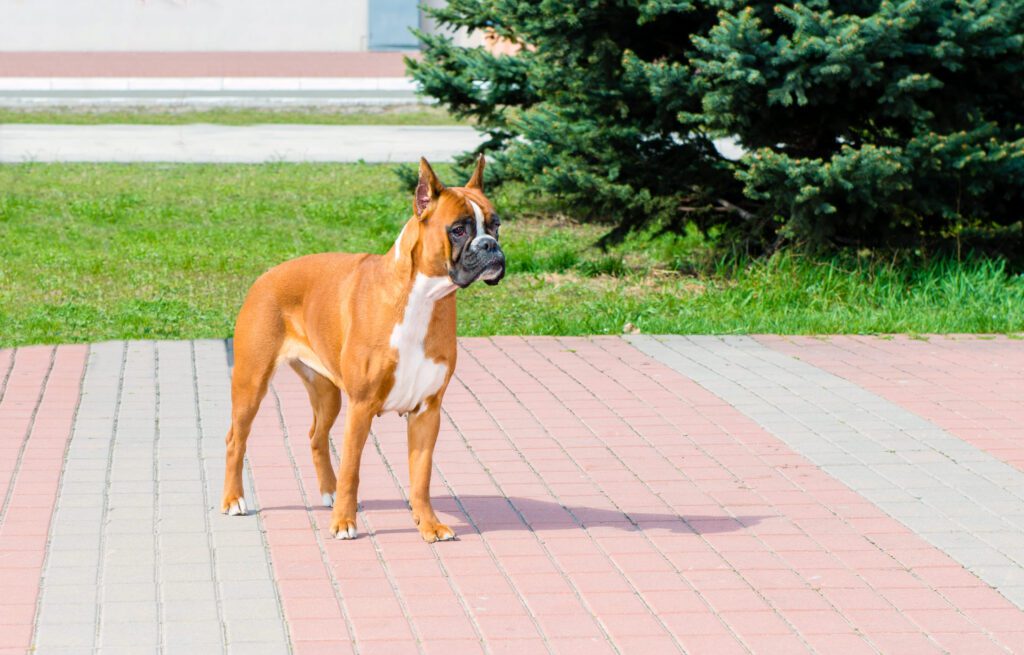

Boxers are playful, athletic, and deeply loyal. They bond closely with their families and keep a light mood with goofy charm. Their alert nature also makes them dependable watchdogs. A well-bred Boxer is energetic, people focused, and eager to learn when training is clear and consistent.
Good research sets every adoption up for success. Understanding energy levels, exercise needs, and common health considerations helps you match with the right dog. Adoption gives a deserving Boxer a second chance, reduces pressure on crowded shelters, and often includes essential veterinary care that would cost much more when purchased separately.
North Dakota’s climate and geography shape daily life with a Boxer. Winters are long and cold, and strong winds can make short coats feel even colder, so your dog needs a warm jacket, limited outdoor time, and safe indoor exercise. Summers can turn hot, and the Boxer’s short muzzle reduces heat tolerance, so plan shaded walks and steady water access. Rural properties and wide-open spaces invite play when fenced and supervised, while city living works well with daily walks, structured play, and mental games. With planning, a Boxer can thrive anywhere in the state.
You can avoid searching shelters and rescues one by one by using Dog Academy. The listings gather adoptable dogs from multiple sources so you can compare options in one place. You can also use Dog Academy’s educational guides and adoption checklists to prepare your home, set a budget, and plan your first weeks with your new Boxer.
Adoptable Boxers appear at local animal shelters, regional rescues, and breed-specific rescue groups. Start by browsing listings and reading each dog’s profile. Look for notes on age, energy level, temperament with children and other pets, house training status, and any medical updates. Save dogs that fit your lifestyle and travel radius, then reach out with clear questions about behavior, exercise needs, and daily routines.
Most groups ask for an application that includes personal details, proof of housing, landlord permission when you rent, and references. Many teams schedule a phone interview to discuss your routine and expectations. A meet-and-greet usually follows, which allows your family and resident pets to interact with the Boxer in a controlled setting. Some groups request a short training plan that explains how you will manage exercise, crate training, and decompression time after adoption.
Home checks are common and happen in person or by video. The goal is to confirm safe fencing, secure trash storage, and a plan to block access to hazards such as open garages or chemicals. Approvals often take 1 to 3 weeks, which depends on the dog’s availability, reference responses, and scheduling. After approval, you sign an adoption contract, pay the fee, and set a pickup appointment with a clear handoff of medical records and microchip details.
When the right dog is not nearby, rescues sometimes arrange transport to move dogs between locations. Transport means a coordinated trip by volunteers or licensed drivers that brings the dog from a shelter or foster home to your area. Some groups add a modest transport surcharge to cover fuel and care. Ask for travel timing, rest stop plans, and a contact for updates so you are ready at arrival.

|
How Much Does It Cost to Adopt a Boxer in North Dakota?Most adopters in North Dakota pay $250 to $450 to adopt a Boxer. Puppies and dogs that receive additional training or advanced medical care tend to sit at the top of that range. Adult dogs with routine care included often fall near the middle of that range. The fee reflects the cost of spaying or neutering, vaccinations, microchipping, and veterinary exams. Fees may also account for heartworm testing, deworming, dental care, and behavioral work. Age, local demand, and the extent of medical treatment influence final pricing. Transparent groups list what the fee includes so you can compare value and plan your budget. |
How Should I Train a Boxer?Boxers are intelligent and motivated, and they learn quickly when training is upbeat and consistent. They can be impulsive, so short sessions, clear cues, and high-value rewards work best. Focus early on impulse control, polite greetings, loose-leash walking, and a rock-solid recall. Daily mental work through puzzle feeding, scent games, and short obedience drills helps channel energy in a healthy way. Early and ongoing socialization builds confidence and reduces jumpiness. Teach a calm “go to mat” behavior to encourage settling indoors after exercise. Crate training supports safe travel and peaceful downtime. In cold snaps and heat waves, replace long outings with indoor games and targeted training to protect your dog’s health. For step-by-step guidance, explore Dog Academy’s online training courses, which offer lesson plans, videos, and support for common Boxer behaviors. |

|
The ideal Boxer owner enjoys daily activity, values structure, and makes time for training and play. A secure yard helps, yet a committed walker who follows a routine can meet the breed’s needs in any home. Preparation matters most, which includes planning for cold-weather gear, summer heat management, and daily mental enrichment.
Take your time, ask thoughtful questions, and meet more than one dog when possible. Use clear goals, a realistic budget, and a plan for the first 30 days. With patience and the right match, you can adopt a Boxer in North Dakota and welcome a joyful, loyal companion into your life.

Introducing a new puppy to your current dog is often an exciting process, and many dogs will become fast friends and eas...
Read More
Rescue dogs can make great companions and can transform your home into something better. These dogs make great pets and ...
Read More
You should never rush to pet a dog. Even dog owners make the mistake of approaching unfamiliar dogs and petting them rig...
Read More
Puppy mill dogs are survivors who have endured extreme hardships in their lives. They have grown up in horrendous, unsan...
Read More
With their wagging tails and comforting presence, adopting a dog can add a unique touch to your life. It’s a heart...
Read More
Older dogs may have a few gray hairs around the edges, but that doesn’t mean they can’t make wonderful companions! T...
Read More