


































Introducing a new puppy to your current dog is often an exciting process, and many dogs will become fast friends and eas...
Read MoreAdopt Me
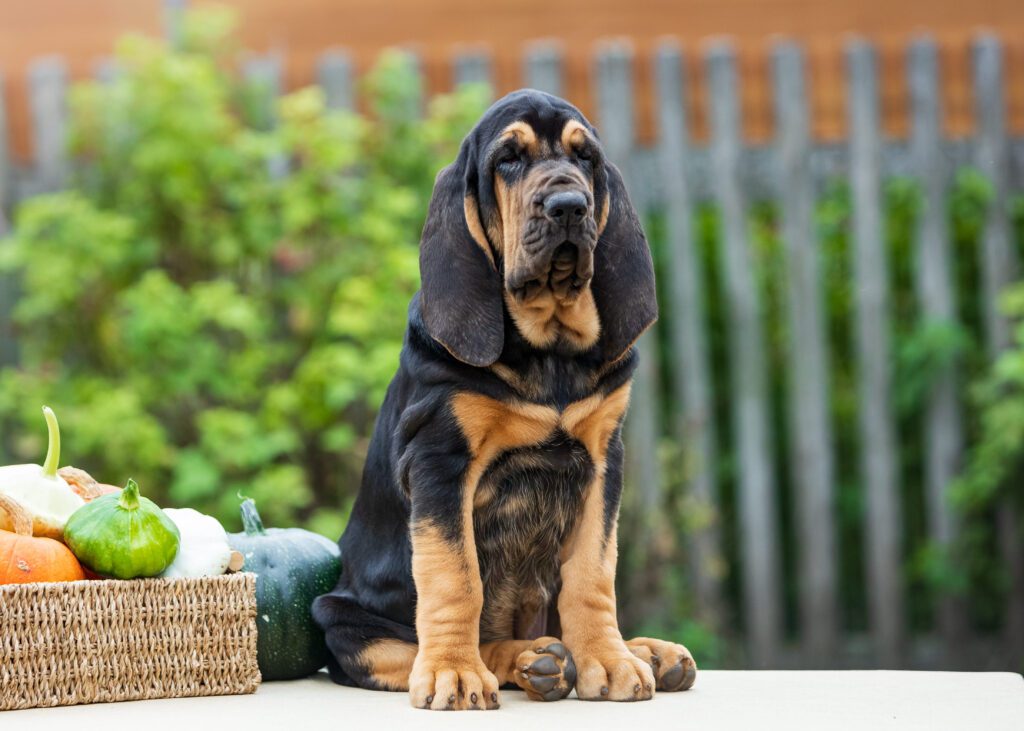
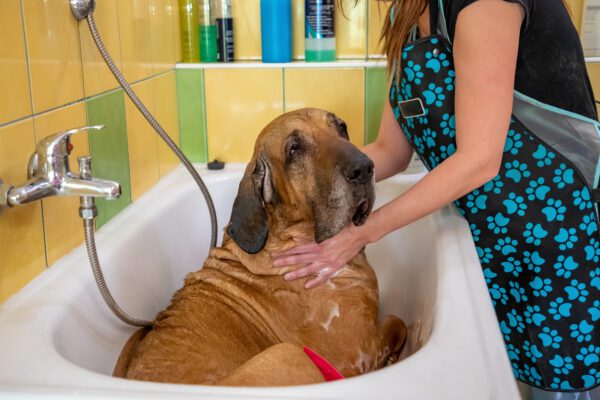
The Bloodhound is patient, affectionate, and famously devoted to following a scent. This gentle giant loves family time and thrives when given purposeful activity. Research matters before you adopt because this breed has unique needs that affect daily life, from drool management to exercise routines built around sniffing. Adoption allows you to give a deserving dog a second chance while supporting humane care in your community.
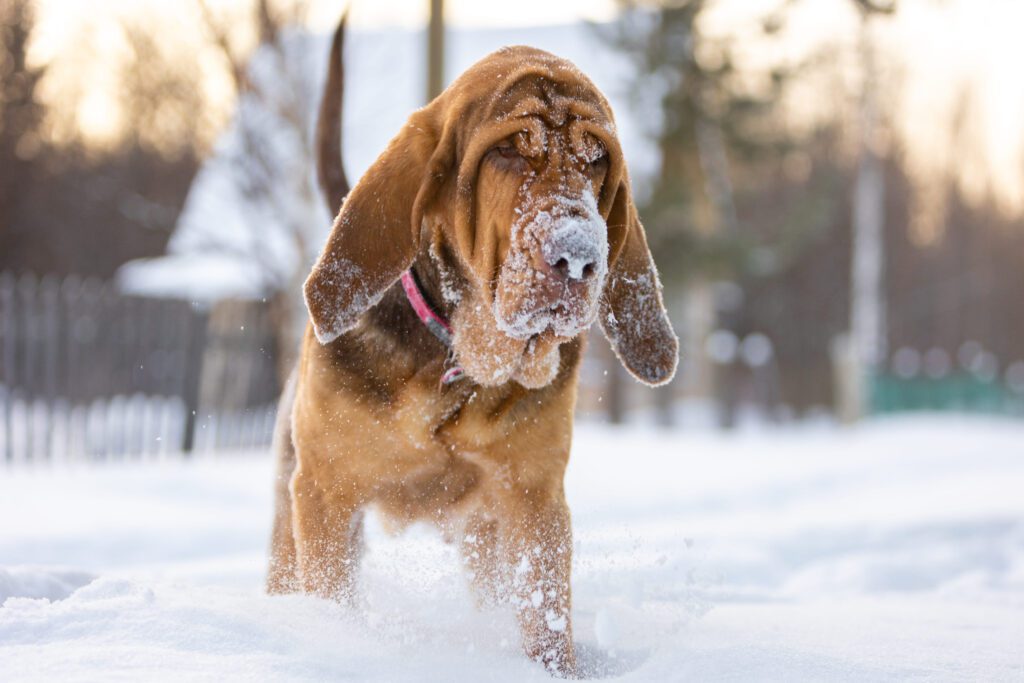
North Dakota’s climate and geography shape how a Bloodhound lives day to day. Winters are long and cold, so you must limit exposure during deep freezes, use a well-fitted coat for longer outings, and protect paws from ice and salt. Summers can feel hot and dry on the prairie, so you must provide shade, cool water, and rest breaks to prevent overheating. Open spaces and quiet neighborhoods suit the Bloodhound’s need for long, scent-focused walks, though secure fencing and careful leash handling are essential because this breed will follow its nose without hesitation.
Adopting rather than buying helps reduce overpopulation while giving you access to support from knowledgeable adoption counselors. It also helps ensure your Bloodhound receives baseline veterinary care before coming home. North Dakota offers a lifestyle that fits a Bloodhound when you plan for seasonal weather, provide secure outdoor time, and commit to daily enrichment built around scent work.
You can avoid searching for rescues and shelters separately by browsing Bloodhound listings on Dog Academy. The listings gather adoptable dogs in one place so you can filter by age, size, and location. You can also use Dog Academy to access educational guides and adoption checklists that explain each step and help you prepare your home before you submit an application. You can still contact local animal shelters, regional rescues, and breed-specific rescue groups if you prefer to explore more options, yet a single listing hub saves time and keeps your search organized.
Start by reviewing each dog’s profile in detail. Read about temperament, energy level, medical history, and any training progress. Make sure the profile matches your lifestyle, including available space, time for exercise, and tolerance for drool and hound vocals. Applying with a strong match increases approval chances and reduces wait times.
The application usually asks for information about your home, schedule, veterinary history, and training plans. Many organizations request landlord approval for renters and personal references. Expect an initial review within 3 to 10 days, followed by a phone interview that confirms your experience with large breeds and your plan to manage a scent-driven dog. Meet-and-greets take place at the facility, at an arranged neutral location, or through a foster home visit. A home check may be virtual or in person to confirm safe fencing, secure trash storage, and appropriate areas for rest and recovery.
Approval timelines vary based on the dog’s needs, your responsiveness, and the organization’s volunteer capacity. Some groups can finalize an adoption within 1 to 3 weeks after the meet-and-greet, while others need more time to coordinate schedules or complete medical care. If the perfect Bloodhound is outside your immediate area, rescues sometimes arrange transport to move dogs between locations. Transport is commonly managed through volunteer drivers or licensed carriers, and it typically requires a health certificate and careful scheduling to keep the dog safe and comfortable.

|
How Much Does It Cost to Adopt a Bloodhound in North Dakota?Most adopters in North Dakota can expect to pay $150 to $350 for an adult Bloodhound through a shelter or rescue. Puppies often cost more because of higher demand and recent veterinary care, so $250 to $450 is common. Senior Bloodhounds and dogs with special needs may be lower, often $75 to $200, to encourage the right match. Fees reflect factors like age, training history, recent medical care, and local demand for large scent hounds. Adoption fees typically include spaying or neutering, vaccinations, microchipping, and veterinary exams, which makes adoption an excellent value compared to private purchase. |
How Should I Train a Bloodhound?Bloodhounds are intelligent and highly motivated by scent, which can make them appear stubborn during traditional drills. They learn best when training taps into their natural strengths. Use short, upbeat sessions with high-value rewards, and practice in low-distraction environments before moving to busier areas. Positive reinforcement builds trust and motivation, while harsh corrections shut down learning and can damage your bond. Focus on practical skills that support a scent-driven dog. Teach a rock-solid recall using a long line and staged distractions. Build loose-leash skills with frequent reward points and direction changes to keep your Bloodhound engaged. Add mental enrichment with tracking games, hide-and-seek, and scattered feeding that encourages sniffing. Crate training, settle on a mat, and calm door greetings help a large hound succeed in the home. For structured guidance tailored to real life, explore Dog Academy’s online training courses, which cover foundation manners, leash skills, enrichment, and problem prevention for scent hounds. |
|
The ideal Bloodhound adopter enjoys long walks, values patient training, and can manage a powerful nose with secure fencing and reliable equipment. A calm home with consistent routines suits this gentle breed, along with time for ear care, skin folds, and regular grooming to prevent infections.
Prepare before you apply so you can welcome the right dog with confidence. Review breed needs, gather supplies, and learn the process so every step feels clear. Take your time, ask thoughtful questions, and use trusted resources to evaluate each match. When you are ready to adopt a Bloodhound in North Dakota, start with Dog Academy to find verified listings and useful checklists that set you and your new hound up for success.

Introducing a new puppy to your current dog is often an exciting process, and many dogs will become fast friends and eas...
Read More
Rescue dogs can make great companions and can transform your home into something better. These dogs make great pets and ...
Read More
You should never rush to pet a dog. Even dog owners make the mistake of approaching unfamiliar dogs and petting them rig...
Read More
Puppy mill dogs are survivors who have endured extreme hardships in their lives. They have grown up in horrendous, unsan...
Read More
With their wagging tails and comforting presence, adopting a dog can add a unique touch to your life. It’s a heart...
Read More
Older dogs may have a few gray hairs around the edges, but that doesn’t mean they can’t make wonderful companions! T...
Read More