
























































































































Introducing a new puppy to your current dog is often an exciting process, and many dogs will become fast friends and eas...
Read MoreAdopt Me
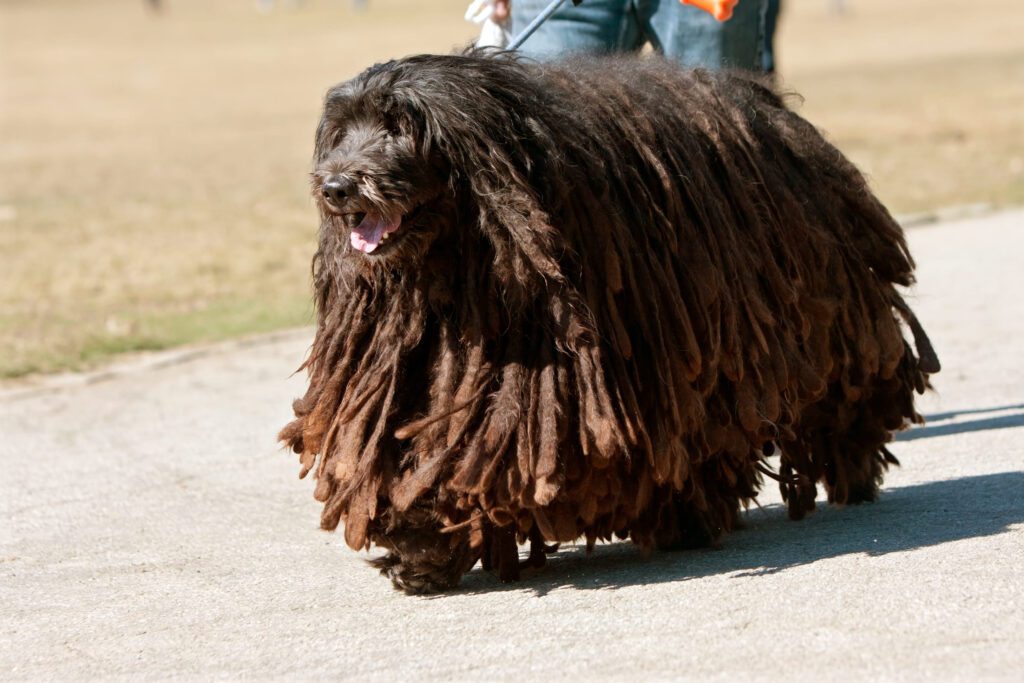
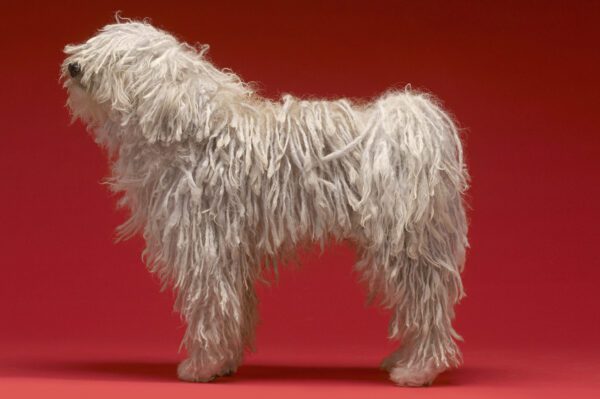
The Komondor is a loyal livestock guardian with a calm home demeanor and a strong protective instinct. The breed forms deep bonds with family and stays watchful with strangers. Komondors think independently, which makes them steady decision makers and devoted companions when given clear guidance and early socialization.
Thoughtful research matters before any adoption. Adoption gives a dog a second chance and supports lifesaving work, and it also helps you find a dog whose needs match your lifestyle. South Dakota offers big skies, working ranches, and wide spaces that suit a guardian breed. The state’s cold winters pair well with the Komondor’s dense, insulating coat, while hot summers require shade, cool water, and shorter midday activity to prevent overheating. The coat forms cords over time and needs regular care to stay clean and healthy. A secure fence and consistent training are essential in both rural and city settings.
Adopting rather than buying helps reduce demand for irresponsible breeding and often provides transparent medical and behavior histories. South Dakota’s mix of ranching communities and growing towns means you can find Komondors in settings that support structured exercise, purposeful jobs, and calm routines.
You can skip the hassle of searching shelters and rescues one by one by starting with Dog Academy. Dog Academy offers adoption listings that bring options together in one place. You can filter by breed, age, and location, then follow our step-by-step adoption guides and printable checklists to stay organized from inquiry to homecoming.
In South Dakota, adoptable Komondors appear through local animal shelters, regional rescues, breed-specific rescue groups, and foster networks. Some dogs enter rescue because grooming proved overwhelming or because their natural guarding instincts did not fit an urban home. Reading each profile closely helps you match energy level, social needs, and grooming demands with your routine. Ask for details on history, temperament, and any training the dog already knows.
The process usually begins with browsing listings and submitting an application. Applications often request personal references, proof of housing permission when you rent, and details about current pets and children. Many groups schedule a phone or video interview to learn about your experience with large breeds and to discuss fencing and daily structure. Next comes a meet-and-greet to confirm a good fit with all family members and resident pets. A home check follows in person or by video to confirm safe containment, secure gates, and appropriate spaces for rest and exercise.
Approval timelines in South Dakota commonly take 1 to 3 weeks. The schedule can move faster when you live nearby and can attend prompt meet-and-greets, and it can take longer when medical care or behavior support is still in progress. After approval, you sign an adoption agreement and pay the fee, then schedule pickup or delivery. Some rescues arrange transport to move dogs between locations when a strong match is outside your immediate area. Transport is often organized by rescues using volunteer drivers or professional carriers, and it typically requires a health certificate and a modest transport fee paid before travel.
|
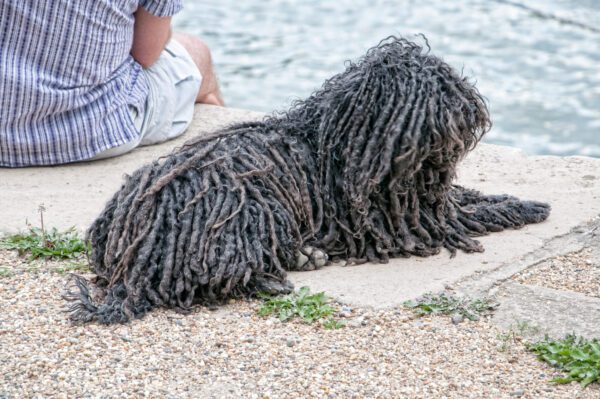
How Much Does It Cost to Adopt a Komondor in South Dakota?Most adopters in South Dakota pay about $200 to $450 for an adult Komondor through a shelter or rescue. Puppies or dogs with extensive training or recent medical care often range from $300 to $600. Costs reflect age, training, medical care already provided, and regional demand for the breed. Fees typically include spaying or neutering, vaccinations, microchipping, and veterinary exams. Many groups also provide deworming and a starter supply of preventatives. Transport, professional grooming, and training after adoption are separate expenses you should plan in advance. Older dogs and bonded pairs may be priced on the lower end to encourage placement, while rare coats or specialized working aptitude can fall on the higher end. Ask for an itemized breakdown so you understand exactly what the fee covers in South Dakota. |
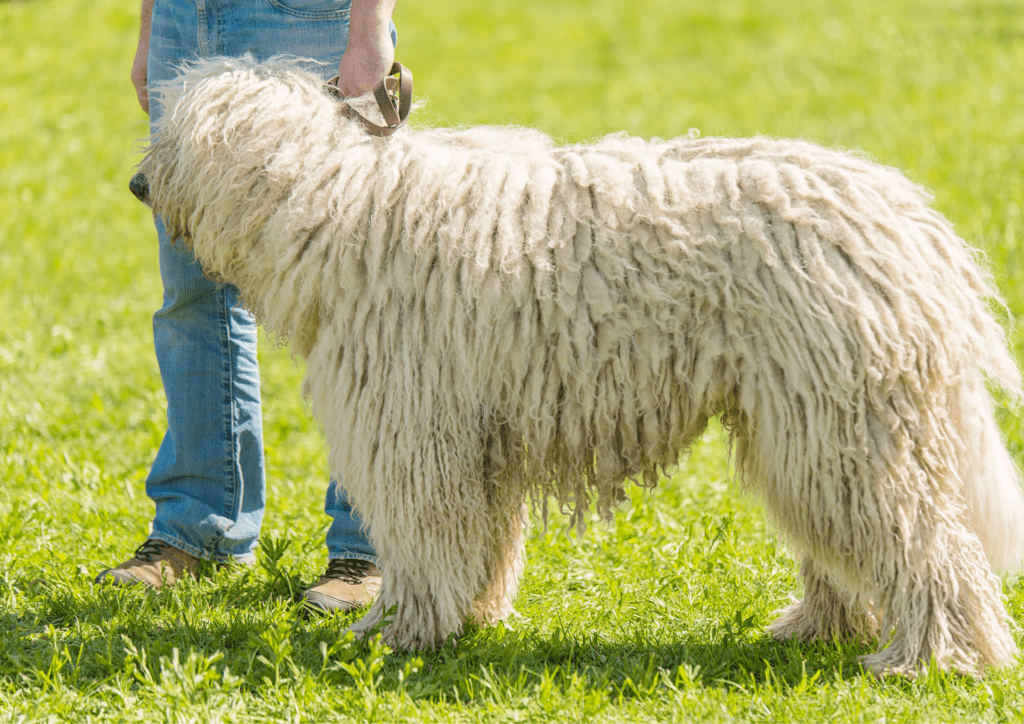
How Should I Train a Komondor?The Komondor is intelligent and thoughtful, and the breed learns best when training feels purposeful. Expect an independent streak that reflects centuries of solo livestock work. Keep sessions short and consistent, and reward calm decision making. The breed thrives on positive reinforcement that uses food, toys, and praise. Harsh corrections undermine trust and can increase resistance. Focus first on foundation skills that support real life. Teach reliable name response, loose-leash walking, stationing on a mat, and a solid recall. Socialize early and often with friendly people, balanced dogs, and new environments to shape measured confidence rather than suspicion. Reinforce quiet settling at home to prevent nuisance barking. Introduce grooming slowly so the dog accepts handling of cords, nails, and ears without stress. If you want structured guidance, explore Dog Academy’s online training courses that cover puppy basics, impulse control, leash skills, and behavior support for guardian breeds. |
|
The ideal Komondor owner provides steady leadership, daily structure, and a secure yard. A home with space, predictable routines, and time for grooming and training helps this breed relax and thrive. Families in rural or suburban South Dakota who value calm companionship and natural watchdog ability often make a great match.
Set yourself up for success by learning the breed, preparing supplies in advance, and moving at a thoughtful pace. Use adoption listings to compare options, ask detailed questions, and wait for the right fit. With patience and preparation, you can adopt a Komondor in South Dakota and welcome a loyal guardian who becomes a trusted member of your family.
Introducing a new puppy to your current dog is often an exciting process, and many dogs will become fast friends and eas...
Read More
Rescue dogs can make great companions and can transform your home into something better. These dogs make great pets and ...
Read More
You should never rush to pet a dog. Even dog owners make the mistake of approaching unfamiliar dogs and petting them rig...
Read More
Puppy mill dogs are survivors who have endured extreme hardships in their lives. They have grown up in horrendous, unsan...
Read More
With their wagging tails and comforting presence, adopting a dog can add a unique touch to your life. It’s a heart...
Read More
Older dogs may have a few gray hairs around the edges, but that doesn’t mean they can’t make wonderful companions! T...
Read More