




























































































































































































Introducing a new puppy to your current dog is often an exciting process, and many dogs will become fast friends and eas...
Read MoreAdopt Me
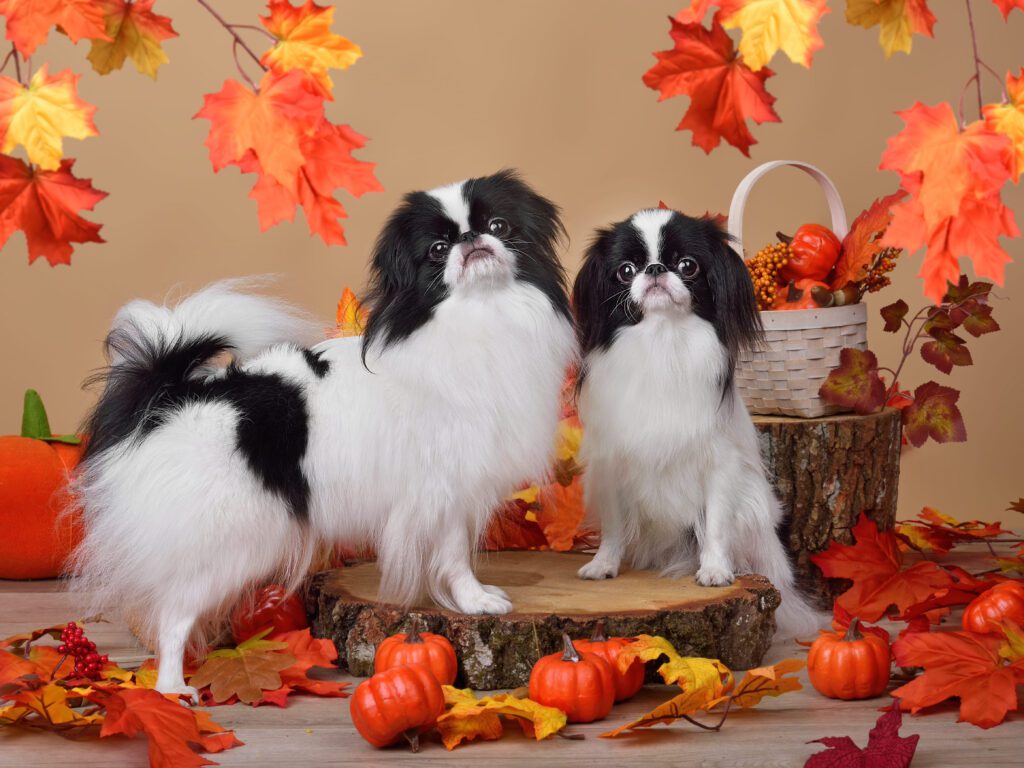
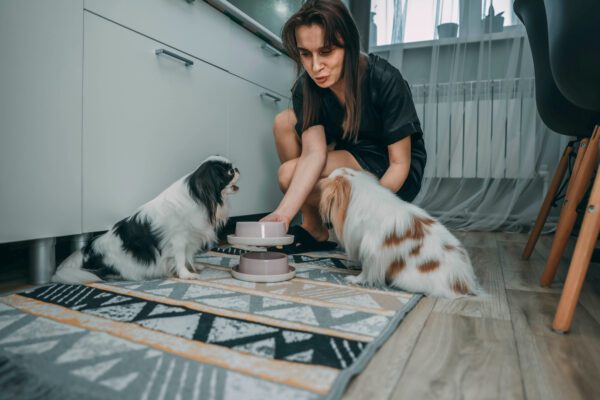
The Japanese Chin is a graceful companion dog that loves to be close, read the room, and offer quiet affection. This toy breed is agile and expressive, with a silky coat and a gentle nature that suits calm homes. The breed usually bonds deeply with its family and thrives on routine, soft handling, and time on a warm lap. Careful research helps you match energy levels, grooming needs, and temperament with your lifestyle before you adopt.
Adoption offers a humane path that supports animal welfare and discourages irresponsible breeding. Adopted dogs often receive thorough veterinary care before placement, along with honest behavior notes from caregivers. When you adopt, you help open space for the next dog who needs a safe landing.
Oregon presents a good fit for this breed when you plan thoughtfully. Coastal and valley regions bring frequent rain and cool winters, which suit short daily walks and indoor play. Eastern areas can see summer heat, which can stress a brachycephalic dog with a short muzzle. Choose shady routes, avoid midday heat, and keep indoor climate control consistent. Urban apartments and quiet suburbs often suit a Japanese Chin, while long backcountry hikes or rough, muddy trails can overwhelm a small companion dog.
You can skip searching shelters and rescues one by one by using Dog Academy to browse current adoption listings statewide. The platform brings options together in one place and helps you compare notes on age, temperament, location, and medical updates. You can also use Dog Academy to access educational guides and adoption checklists that keep every step organized and stress free.
Beyond centralized listings, you can look for adoptable dogs through local animal shelters, regional rescues, breed-specific rescue groups, and foster networks. Many Japanese Chin enter foster homes where volunteers observe behavior in a typical household. Foster notes often cover crate skills, house training progress, tolerance for children, and comfort with other pets. Read these details closely so you can choose dogs whose needs match your routine.
The process usually begins by browsing listings and selecting a dog whose profile fits your home. You then submit an application that answers questions about your schedule, experience with small breeds, and housing. Many groups request personal references, proof of landlord approval when you rent, and your veterinarian’s contact information when you already own pets. Response times vary, though most applicants receive next steps within several days to a few weeks.
Approved applicants typically schedule a meet-and-greet, either at a shelter or in a foster home. Some groups complete a home check, which can be virtual or in person, to verify safe fencing, secure doors, and an area for rest. If the right match is in another city or state, rescues may arrange transport to move dogs safely between locations. Transport is commonly coordinated by volunteers or professional services that organize ground travel, charge a modest fee, and follow strict safety rules. Final steps include signing an adoption agreement, paying the fee, and setting a pickup time with clear instructions for the first 48 hours at home.
|
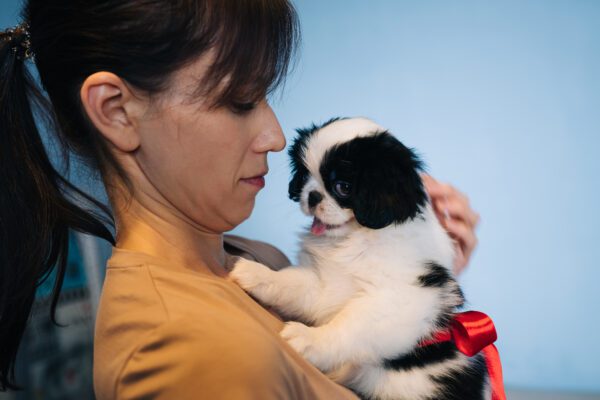
How Much Does It Cost to Adopt a Japanese Chin in Oregon?Most adopters in Oregon pay $300 to $500 to adopt a Japanese Chin. Fees trend toward the middle of that range due to veterinary costs in the Pacific Northwest, the breed’s routine dental needs, and occasional transport expenses. Puppies and young adults often sit at the higher end. Seniors and special-needs dogs may be lower so that families can prioritize ongoing care. The fee typically covers spaying or neutering, vaccinations, microchipping, and veterinary exams. Many groups also include a behavior assessment, parasite screening, and a starter dose of preventatives. Price can change based on age, training, medical history, and local demand for small companion dogs. A well-socialized adult with completed dental work may cost more than an untrained dog who still needs follow-up care. |
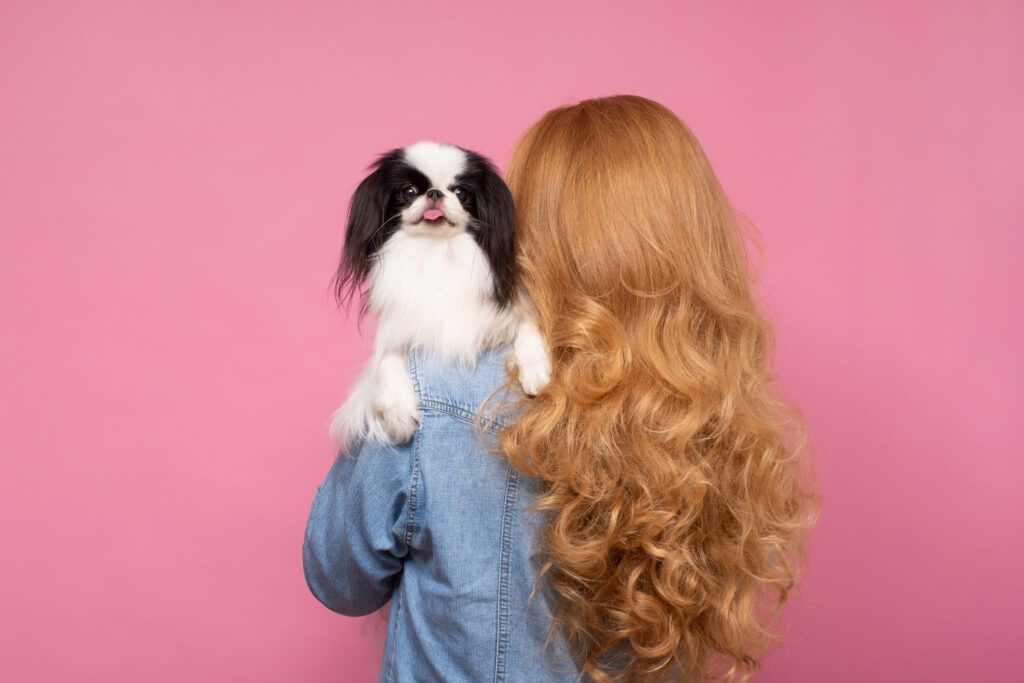
How Should I Train a Japanese Chin?The Japanese Chin is intelligent, sensitive, and people focused. The breed learns quickly when sessions are short, upbeat, and consistent. Use positive reinforcement with high-value treats, gentle praise, and playful rewards. Begin with name recognition, recall, and polite greetings. Add calm exposure to new people, sounds, and surfaces so that your dog builds confidence without feeling pressured. Common challenges include house training, weather reluctance, and alert barking. Create a predictable potty schedule with frequent outings and a covered area for rainy days. Offer an indoor backup like a designated pad during storms, then phase it out as reliability improves. Prevent nuisance barking by teaching a quiet cue, rewarding calm behavior, and giving structured enrichment that reduces boredom. For step-by-step guidance built for small breeds, explore Dog Academy’s online training courses, which provide clear lessons, real-life practice plans, and ongoing support. |
|
The ideal adopter wants a close companion, keeps a gentle home, and can provide several short walks, daily grooming, and time for cuddling. A flexible schedule helps with house training and routine medical care, including dental maintenance that keeps a toy breed comfortable long term.
Prepare by gathering essentials, choosing a veterinarian, and planning the first week with quiet routines and low-stress introductions. Take your time as you review listings, ask detailed questions, and confirm the match. With patience and preparation, you can adopt a Japanese Chin in Oregon and enjoy a calm, joyful partnership for years to come.

Introducing a new puppy to your current dog is often an exciting process, and many dogs will become fast friends and eas...
Read More
Rescue dogs can make great companions and can transform your home into something better. These dogs make great pets and ...
Read More
You should never rush to pet a dog. Even dog owners make the mistake of approaching unfamiliar dogs and petting them rig...
Read More
Puppy mill dogs are survivors who have endured extreme hardships in their lives. They have grown up in horrendous, unsan...
Read More
With their wagging tails and comforting presence, adopting a dog can add a unique touch to your life. It’s a heart...
Read More
Older dogs may have a few gray hairs around the edges, but that doesn’t mean they can’t make wonderful companions! T...
Read More