




























































































































































































Introducing a new puppy to your current dog is often an exciting process, and many dogs will become fast friends and eas...
Read MoreAdopt Me

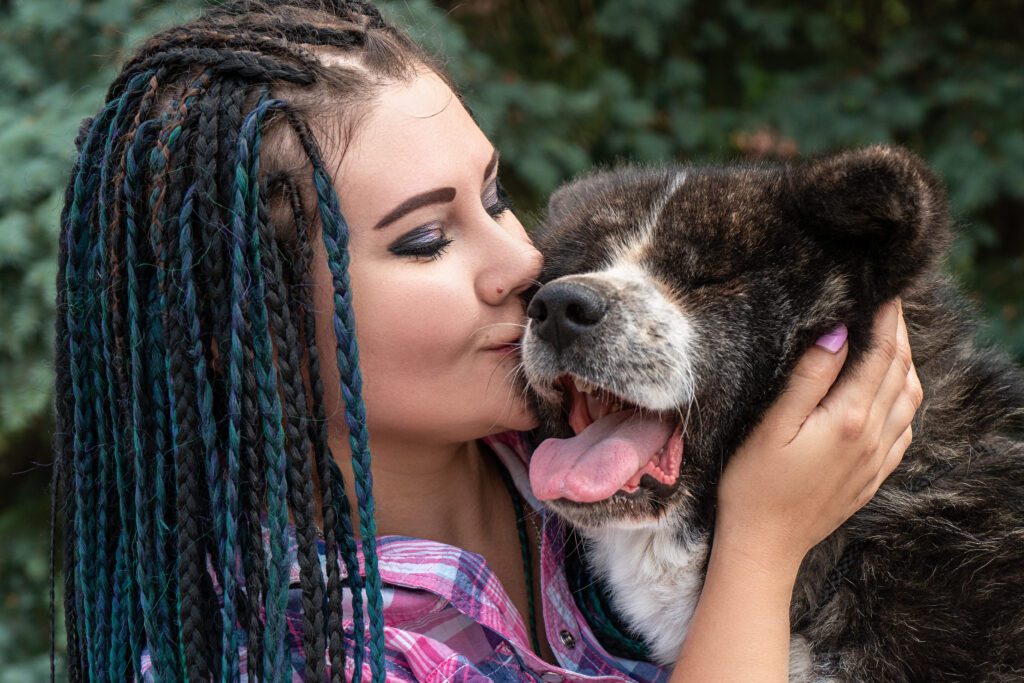

Akitas are dignified, loyal, and deeply devoted to their families. Many are quiet and clean, and they carry a calm presence at home. They are also strong, independent thinkers with a natural guarding instinct, which makes research and preparation essential before you adopt. Choosing adoption helps you give a deserving dog a second chance while often allowing you to meet adult dogs with known personalities and established manners.
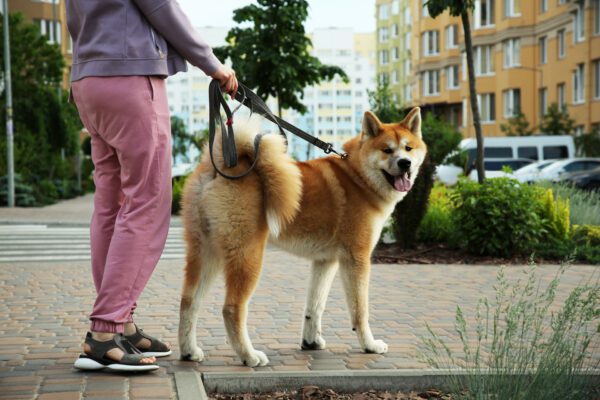
Florida offers year-round sunshine, sandy beaches, and plenty of outdoor space, though the heat and humidity can challenge a double-coated breed. An Akita in Florida needs indoor living with air conditioning, shaded outdoor areas, and exercise during cooler morning and evening hours. Suburban yards with secure fencing suit their size and strength, and urban homes can also work when owners commit to daily walks and mental enrichment. If you hope to adopt a Akita in Florida, a thoughtful plan will help you find the right match.
You can skip searching rescues and shelters one by one by browsing listings on Dog Academy. You can view available dogs from local animal shelters, foster-based rescues, and breed-specific rescue groups in one place. You can also use Dog Academy’s educational guides and adoption checklists to prepare for applications, meet-and-greets, and bringing your new dog home.
Most adopters start by browsing listings and reading each dog’s profile for age, size, temperament notes, medical history, and location. After you find a potential match, you submit an application that covers your home setup, schedule, experience with large breeds, and plans for training and exercise. Applications help shelters and rescues match Akitas with families that understand the breed’s needs and lifestyle.
Once an application is approved, staff or volunteers typically arrange a meet-and-greet. Meetings may occur at a shelter, an adoption center, or a public park. Some groups require all household members and resident dogs to attend so they can observe interactions. Many groups also complete a home check to confirm secure fencing, safe containment, and an indoor sleeping area. Approval timelines vary by organization and by dog, and they usually range from a few days to a few weeks.
Florida adopters sometimes expand their search beyond their immediate area. Many rescues maintain foster homes across the state, and some arrange transport to move dogs between locations when a strong match is found. Transport is often arranged by rescues to move dogs between states or regions when demand and availability differ. When transport is offered, groups explain the schedule, costs, and pickup procedures in writing so you can plan with confidence.
|
How Much Does It Cost to Adopt a Akita in Florida?Most adopters in Florida can expect to pay $300 to $550 to adopt an Akita from a shelter or a breed-focused rescue. Puppies may land at the higher end due to demand and extra veterinary care, while seniors and dogs with special needs may be closer to $300. Fees reflect age, training, medical care, and local demand, and they usually include spaying or neutering, vaccinations, microchipping, and veterinary exams. Costs can rise when a dog receives recent dental cleanings, advanced diagnostics, or treatment for conditions like heartworm, skin infections, or orthopedic issues. Fees can also increase when a dog has completed professional training or behavior assessments. Ask for an itemized breakdown so you understand exactly what is included and what follow-up care you should budget for in Florida, such as flea and tick prevention, heartworm prevention, grooming tools for a dense double coat, and quality food. |
How Should I Train a Akita?Akitas are intelligent and learn quickly when training is clear, consistent, and rewarding. They can be independent and reserved with strangers, so early and ongoing socialization is essential. Use positive reinforcement to build trust and motivation. Short, focused sessions keep this thoughtful breed engaged, and daily practice of cues like sit, down, stay, leave it, and come improves real-world reliability. Many Akitas are strong, athletic, and naturally protective. Teach loose-leash walking, impulse control at doorways, calm greetings, and a solid recall. Supervise play with other dogs because some Akitas are selective about canine friends. Introduce crate training, cooperative care for grooming, and calm handling for veterinary visits. Consistency, structure, and fair boundaries reduce conflict and set clear expectations. If you want step-by-step support, explore Dog Academy’s online training courses. You can follow guided lessons for basic manners, loose-leash walking, impulse control, and confidence building, which helps you reinforce good behavior at home and on Florida outings during cooler hours. |

|
The ideal Akita owner is calm, consistent, and committed to daily exercise, training, and thoughtful socialization. A secure yard, an indoor lifestyle with air conditioning, and a schedule that allows quality time each day create a strong foundation in Florida’s climate. Preparation matters as much as enthusiasm, and a patient approach helps you meet a dog whose needs match your home and routine.
Take your time, ask clear questions, and review each dog’s history and behavior notes before you adopt a Akita in Florida. When you are ready, use Dog Academy to browse adoptable dogs, learn the process, and build a plan for a safe and smooth transition. With care and consistency, you can welcome a loyal companion and give an Akita the life it deserves.

Introducing a new puppy to your current dog is often an exciting process, and many dogs will become fast friends and eas...
Read More
Rescue dogs can make great companions and can transform your home into something better. These dogs make great pets and ...
Read More
You should never rush to pet a dog. Even dog owners make the mistake of approaching unfamiliar dogs and petting them rig...
Read More
Puppy mill dogs are survivors who have endured extreme hardships in their lives. They have grown up in horrendous, unsan...
Read More
With their wagging tails and comforting presence, adopting a dog can add a unique touch to your life. It’s a heart...
Read More
Older dogs may have a few gray hairs around the edges, but that doesn’t mean they can’t make wonderful companions! T...
Read More